The calculated call-out and the battle for leverage
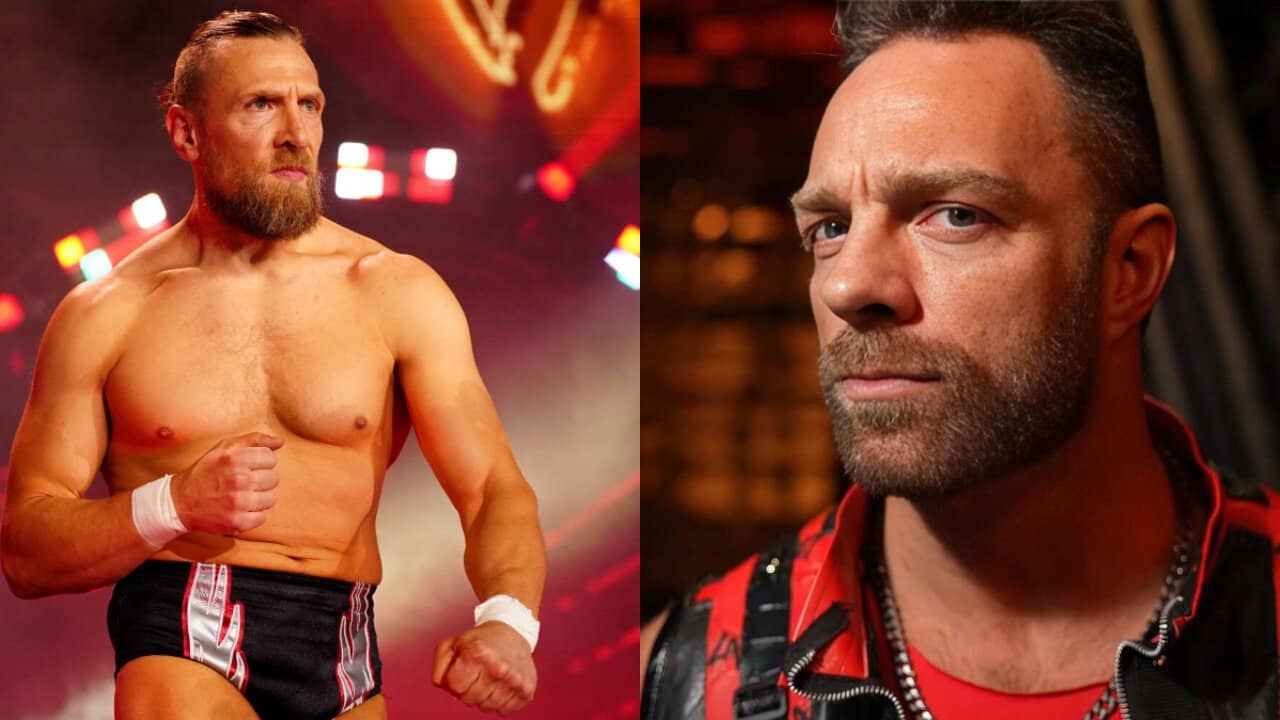
A ripple went through the wrestling world with the announcement: a prominent former WWE talent, currently unattached, has publicly issued a challenge to a top name in All Elite Wrestling. This isn't a casual social media barb. This is a deliberate, calculated maneuver designed to inject uncertainty into the free agency market and leverage a unique position. The timing, coming just weeks after WrestleMania 41 and with WWE Backlash 2026 on the horizon, is hardly coincidental.
This isn't merely about two wrestlers wanting to test their skills. This is a chess match involving two billion-dollar entities. For years, the 'Forbidden Door' was a myth, then a whispered possibility, and now an occasional reality. But a direct challenge, from a former pillar of one company to a current star of the other, reshapes the playing field entirely. It forces both promotions to react, or at least acknowledge, a public demand.
Why the AEW call-out benefits WWE, not its rival
Consider the strategic implications. The former WWE star, by singling out an AEW talent, immediately creates a narrative that benefits their former employer. It positions WWE as the place where its ex-stars still eye the competition, drawing them back into the fold with the promise of blockbuster feuds. While a move to AEW might seem like the direct route to the desired match, the path is far more complex.
WWE's recent history shows a clear pattern: high-profile returns are strategically integrated into major events, often with elaborate vignettes and a gradual build. Think of Cody Rhodes' return to WrestleMania, or even CM Punk's recent comeback. These aren't impromptu decisions; they are multi-month arcs designed to maximize ratings and fan engagement. An immediate jump to AEW, while exciting, often lacks the same long-term narrative scaffolding.
"In wrestling, a public challenge is rarely just a challenge. It's a statement of intent, a negotiation tactic, and a way to gauge audience interest – all at once."
The financial and narrative realities of a return
From a financial standpoint, WWE is equipped to offer competitive contracts that include global marketing reach and a proven pathway to mainstream media. While AEW provides a passionate fanbase and creative freedom, the scale of WWE's operation remains unparalleled. A talent of this caliber, teasing a return, commands a significant premium.
Furthermore, the narrative symmetry of a former WWE star returning to 'defend' their former company's honor against an AEW challenge writes itself. It's a story that resonates deeply with long-time fans who remember the Monday Night Wars. This kind of built-in feud, fueled by real-world tension, is gold for promoters. It negates the need for extensive character rebuilding or lengthy introductory feuds.
The critical misstep: Underestimating the machine
However, there's a critical flaw in this approach if the former WWE talent genuinely believes a direct jump to AEW guarantees the dreamed-of match. While inter-promotional matches have occurred, they are still rare, negotiated heavily, and typically involve specific talent exchange agreements, not direct challenges from free agents. By calling out an AEW star, the talent has effectively put pressure on AEW's bookers, but they've given WWE a perfect opening to say: "Come home, and we'll handle the challenge on our terms."
The current landscape suggests AEW is more focused on its internal roster building and marquee matchups within its own ecosystem. To suddenly accommodate a challenge from a free agent, potentially involving a top star, disrupts carefully laid plans. WWE, however, thrives on these kinds of rivalries, often absorbing outside threats and recontextualizing them within its own narrative.
The inevitable WWE homecoming
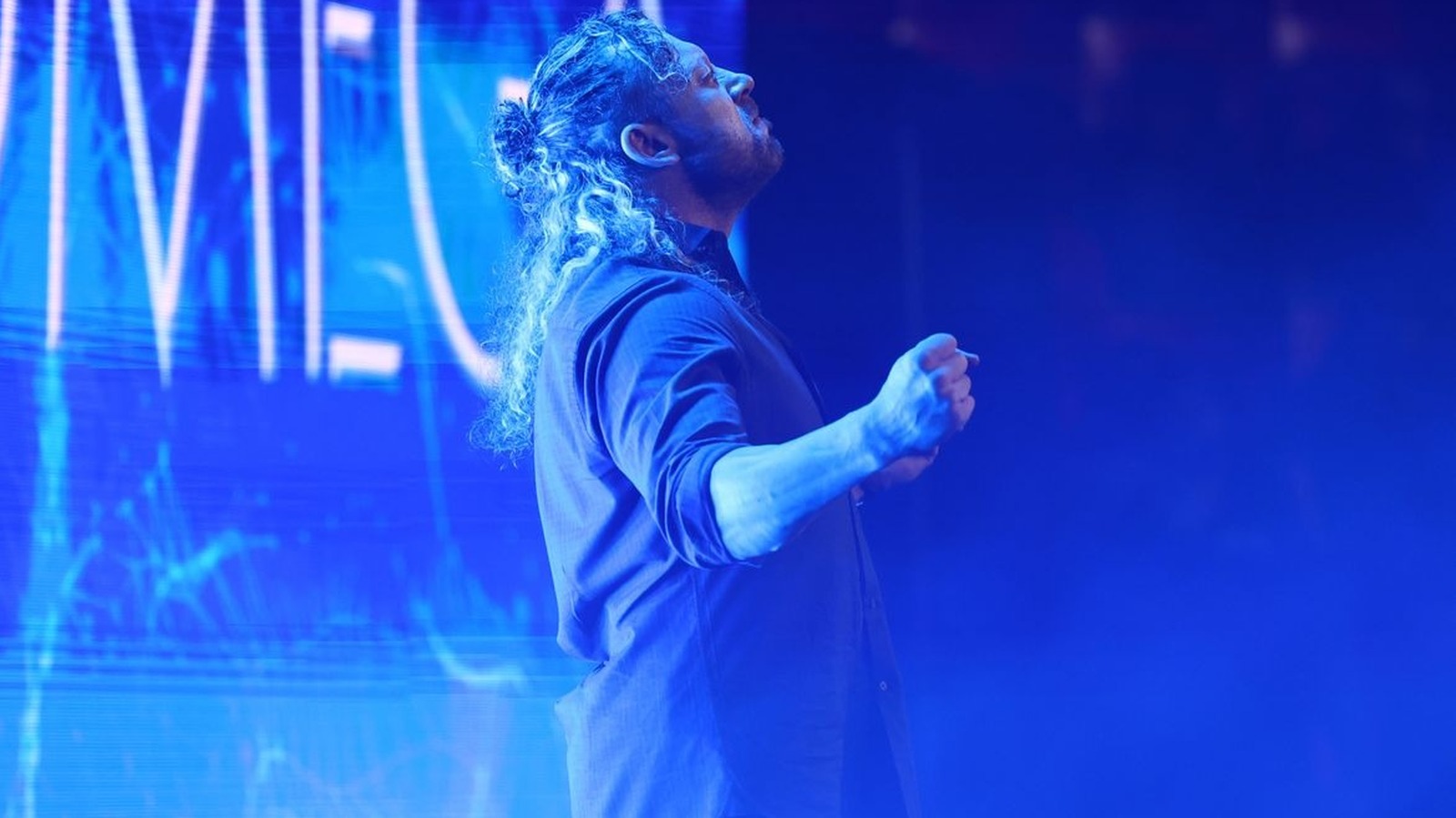
Given the history of these situations, the most logical and impactful outcome sees the former WWE talent making a triumphant return to World Wrestling Entertainment. The challenge to the AEW star will be folded into a returning promo, framed as a challenge to WWE's current roster, or perhaps a long-term goal for a future inter-promotional event, if one ever materializes.
This isn't about ignoring the competition; it's about harnessing it. WWE will use the buzz generated by the AEW call-out as direct fuel for the returning star's initial run. Expect a highly produced video package, a dramatic entrance, and an immediate push into a significant storyline, likely targeting a current champion or a top contender to establish immediate credibility. The groundwork for this move has been inadvertently laid by the talent themselves, offering WWE a clear, pre-packaged storyline.