The Defining Shifts in Modern Professional Wrestling
The 2026 wrestling calendar has been defined by rapid transitions and the exit of massive figures. From international pivots to the dismantling of long-standing rosters, these ten moments dictated the industry trajectory through May.
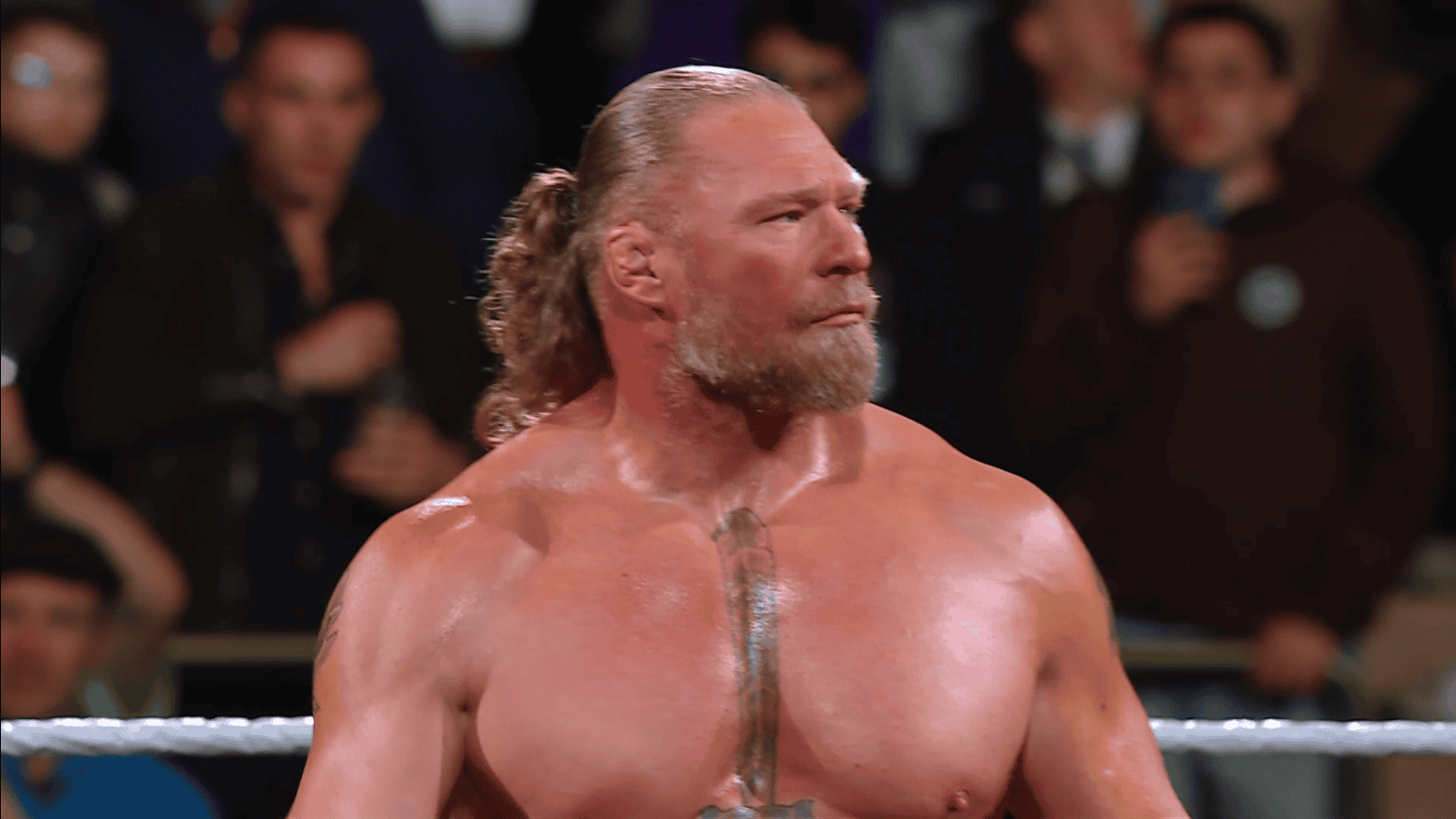
1. Brock Lesnar’s Final Appearance at Clash in Italy
Lesnar’s departure at the Italy event marks the end of a singular era in sports entertainment. Sources indicate his contract expiration aligns with this exit, casting doubt on any future return to the ring. This ranks first because no other performer commanded the same fiscal or narrative gravity. When he steps away, the main event scene loses its most consistent needle-mover.
2. The Evolution of International Stadium Shows
WWE is betting everything on global growth. Moving major premium live events to Europe has fundamentally changed how match cards are constructed. The atmosphere in international venues provides a energy spike that domestic arenas currently lack. It signifies a permanent pivot away from the traditional US-centric touring schedule.
3. The NXT Call-Up Efficiency
Triple H has streamlined the movement of talent from developmental to the main roster with unprecedented surgical precision. This is not just luck; it is a rigid strategy designed to plug gaps in the mid-card before fan interest wanes. It is arguably the most efficient system in company history. However, some veterans fear this churn leaves little room for organic character growth.
4. C.M. Punk’s Return to Bell-to-Bell Action
After months of narrative-heavy segments, seeing Punk back in sustained competitive matches was the ultimate validation for skeptics. His performance metrics consistently show high engagement ratings during his segments. He remains the most polarizing figure in the locker room. His ability to handle the 15-minute mark against younger opponents surprises even his biggest detractors.
5. The Strategic Booking of Title Changes
We see a clear trend toward shorter title reigns designed to keep audiences guessing. The logic appears to be that a title change every quarter sustains interest better than a long-term build. It keeps the viewer glued to pay-per-view events. The downside is that championships feel increasingly transient rather than earned over time.
6. The Production Value Pivot
Camera work has shifted from static angles to high-mobility handheld tracking. This gives the broadcast a gritty, combat-sports aesthetic that mirrors modern MMA production. It makes every strike feel more dangerous. It represents a clean break from the over-produced, cinematic style prevalent in the early 2020s.
7. Rhea Ripley’s Domination of the Women’s Division
Ripley has moved beyond being a top-tier performer into the realm of a genuine attraction. Her physical style allows her to work against competitors of any size while maintaining believably dominant offense. She currently carries the division on her shoulders. Her match quality consistently hits the 4-star mark, even on abbreviated television outings.
8. The Tag Team Revival
The focus on stable-based storytelling has revitalized the tag team division. By grouping wrestlers into factions, promoters have created natural feuds that do not rely on a single championship belt. It is a smart way to maximize roster time. Some fans argue this reliance on factions prevents true singles star-making, but the trade-off in show structure is undeniable.
9. The Increased Frequency of Submission Finishes
We are seeing a marked uptick in matches ending via tap-out rather than pinfall. This shifts the focus from spectacle to technical credibility. It forces viewers to respect the secondary nature of the wrestling hold. It is a necessary change to differentiate the product from pure stunt-based wrestling.
10. The Return of the Surprise Debut
The secret is out that Brock Lesnar leaving leaves a vacuum for potential high-profile signings. Surprise arrivals act as short-term boosters for quarterly sub counts. While often criticized for lacking depth, these moments consistently create high social media volume. It is a blunt instrument that still works in an era of spoilers.
Honorable Mentions
The 8-man elimination matches in mid-spring served their purpose in cleaning up the roster, and the rise of high-flying talent in the undercard continues to steal shows despite infrequent marketing pushes. We monitor these trends as the industry prepares for the massive World Cup 2026 media blitz that will inevitably soak up all available sports attention starting in June.