The Weight of Dontaku: An Anticipatory Analysis
New Japan Pro-Wrestling’s annual Wrestling Dontaku event consistently serves as a critical juncture in the calendar. Often positioned just after the New Japan Cup or prior to the G1 Climax, it's a show that typically sets the stage for major feuds and title pictures. The recent announcement of the complete 2026 lineups, while generating considerable anticipation, presents a unique challenge for genuine statistical scrutiny. Without granular data on individual match durations, historical opponent pairings, or comprehensive title defense records specifically tied to this card, a traditional deep-dive into performance metrics remains an exercise in inference, rather than concrete analysis.
The immediate observation from the announcement is the sheer anticipation it generates among the fanbase. However, the inability to quantify key aspects directly from a simple lineup fundamentally shifts the analytical approach. We are left to discuss the *potential* for statistical revelation, rather than its execution, which ultimately feels like a missed opportunity for a card of this magnitude.
The Unseen Numbers: What a Full Card *Could* Reveal
A comprehensive statistical analysis of a major NJPW card typically begins with the raw volume of matches and their perceived significance. Is this year's offering a lean, focused card with approximately 7-8 bouts designed for maximum narrative impact and extended match times for top contests, or an expansive event stretching to 10 or more contests, perhaps accommodating a wider array of talent and showcasing the depth of the roster? This total count alone can indicate NJPW's immediate booking philosophy – a tighter card often signifies more emphasis on a select few main event narratives and championship stories, while a longer show allows for broader roster exposure and the progression of multiple simmering feuds across various divisions.
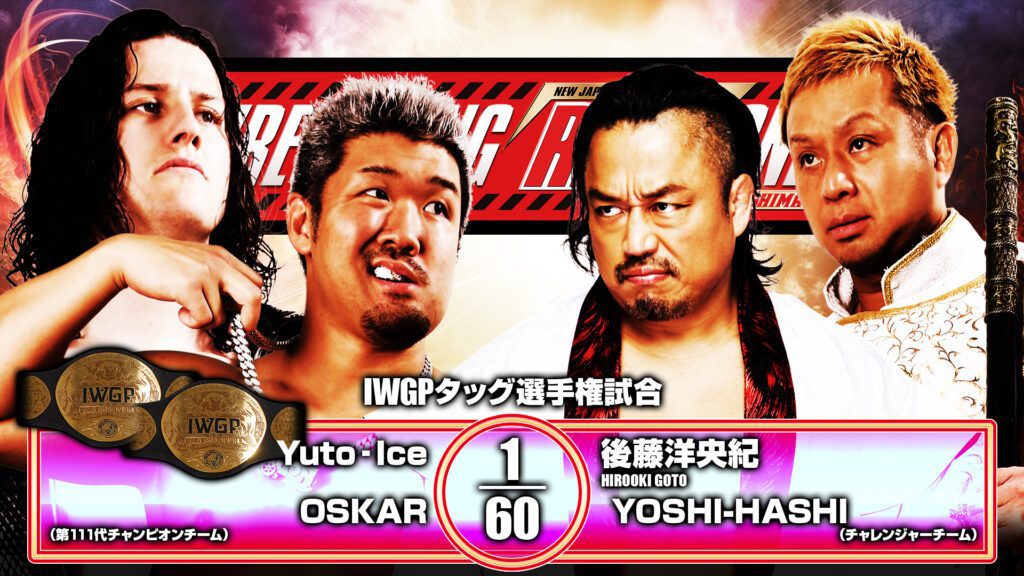
The distribution of championships across the card is another crucial indicator that remains veiled by a simple lineup announcement. Historically, a major NJPW show like Dontaku would feature at least 3-4 title defenses, including a prominent main event championship clash, typically for the IWGP World Heavyweight Championship. Beyond the top belt, the presence of junior heavyweight, tag team (both heavyweight and junior heavyweight), or even secondary heavyweight titles like the NEVER Openweight Championship provides a crucial balance to the card. Without knowing precisely which belts are on the line, and against whom, we cannot accurately assess the health, competitive depth, or immediate booking focus of NJPW’s various divisions heading into the vital summer months. This lack of detail makes projecting future title holders or challengers far more difficult.
Beyond the Titles: Talent Allocation and Narrative Flow
Beyond the championships, the allocation of top-tier talent in high-stakes positions offers significant insight into booking priorities and the projected future of the company. Are established veterans consistently occupying the top two or three spots on the card, perhaps in major singles matches or multi-man tags designed to protect their aura? Or is there a concerted, quantifiable effort to elevate newer stars into more prominent, higher-profile roles? For instance, tracking the number of times a particular wrestler has appeared in a Dontaku main event over the past five years would provide a valuable baseline for comparing their current standing against their historical presence. A sudden, statistically significant shift in such patterns could signal a deliberate changing of the guard or a new era of talent focus for the promotion.
Furthermore, the frequency and placement of multi-man tag matches – often employed to build future rivalries, advance multiple storylines simultaneously, or simply showcase a wider array of talent – warrant careful attention. A card heavily weighted towards these multi-person contests might suggest a transitional phase for the company, strategically setting up storylines for subsequent tours and major events rather than delivering a series of definitive conclusions at Dontaku itself. Conversely, a card dominated by singles matches, particularly those with clear stakes, could indicate a push towards resolving long-standing feuds or solidifying individual star power ahead of the G1 Climax tournament. The precise balance between these match types, however, remains an analytical blind spot based solely on the announcement.
The Critical Void: Inferences vs. Data
One of the more frustrating aspects of attempting to analyze a major NJPW lineup without corresponding statistical context is the inability to identify truly surprising or counterintuitive findings. A genuine statistical deep-dive, armed with granular data, might reveal, for example, that a long-reigning champion has an unusually low success rate in non-title matches leading up to a major defense, creating a subtle vulnerability. Or perhaps, that a particular finishing maneuver has an unexpectedly high rate of kick-outs on big shows, signaling its diminishing impact. These are the kinds of specific, data-backed observations that elevate wrestling analysis beyond mere speculation and into the realm of actionable insight.
The current announcement, therefore, highlights a critical void. While it effectively fuels excitement and allows for predictions based on established character dynamics and past NJPW booking trends, it leaves the quantitative analyst wanting. The true narrative arc of Wrestling Dontaku 2026 — what these numbers *actually mean* for NJPW’s trajectory in the latter half of the year — will only materialize once the event unfolds and its myriad data points are meticulously recorded and scrutinized. For now, the statistical story of Wrestling Dontaku 2026 remains largely unwritten, awaiting the final bell to truly begin its telling.