The Mid-Year Reckoning
The squared circle is currently defined by a brutal transition from legacy stars to the next generation of technicians. While high-concept storytelling often dominated, the most significant moments of early 2026 came from personnel shifts and risky physical maneuvers that altered the trajectory of the major promotions.
10. The Zack Clayton Marriage Swerve
Zack Clayton stepped outside the ropes for a high-profile personal milestone. He married Jersey Shore star JWoww in a surprise ceremony that managed to break through into mainstream entertainment news. While this marriage announcement caught fans off-guard, it serves as a reminder that personal brand management remains a core component of modern wrestling equity.
9. The Technical Shift in Mid-Card Booking
Mid-card matches have slowly transitioned from spot-fest heavy showcases to methodical, submission-based wrestling. Promoters are finally realizing that audience fatigue regarding excessive high-flying is real. This shift prioritizes limb work and pacing, proving that long-form psychology is regaining its status as the industry standard.
8. The Heavyweight Title Vacancy Crisis
Early 2026 saw a major promotion struggle with a sudden championship vacancy due to injury. The scramble to crown a new hero felt rushed, leading to a four-way ladder match that lacked the narrative stakes such a title deserves. It was a clear example of booking missing the mark during a time of extreme pressure.
7. The Surprise Return at the Tokyo Dome
A veteran technician returned to the ring after an 18-month hiatus, drawing a massive live reaction. The timing of the return was near-perfect, injected during a stale segment to save the second hour of the broadcast. However, the decision to leave them without a coherent feud immediately following the moment was a massive creative error.
6. The Production Value Escalation
Broadcast quality in 2026 has reached a peak, with 8K cameras and enhanced audio sensors at ringside becoming common. This creates a tactile experience for viewers who can hear every impact. While some purists argue this ruins the illusion, the clarity of the action during high-speed transitions is undeniable.
5. The Rise of the Foreign Heel Stable
A new faction representing a global alliance has dominated the last four months. Their tendency to win via interference in the 28th minute of main events is becoming repetitive. While effective at generating heat, the booking committee needs to avoid overusing the numbers game to secure clean finishes.
4. The Independent Circuit Resurgence
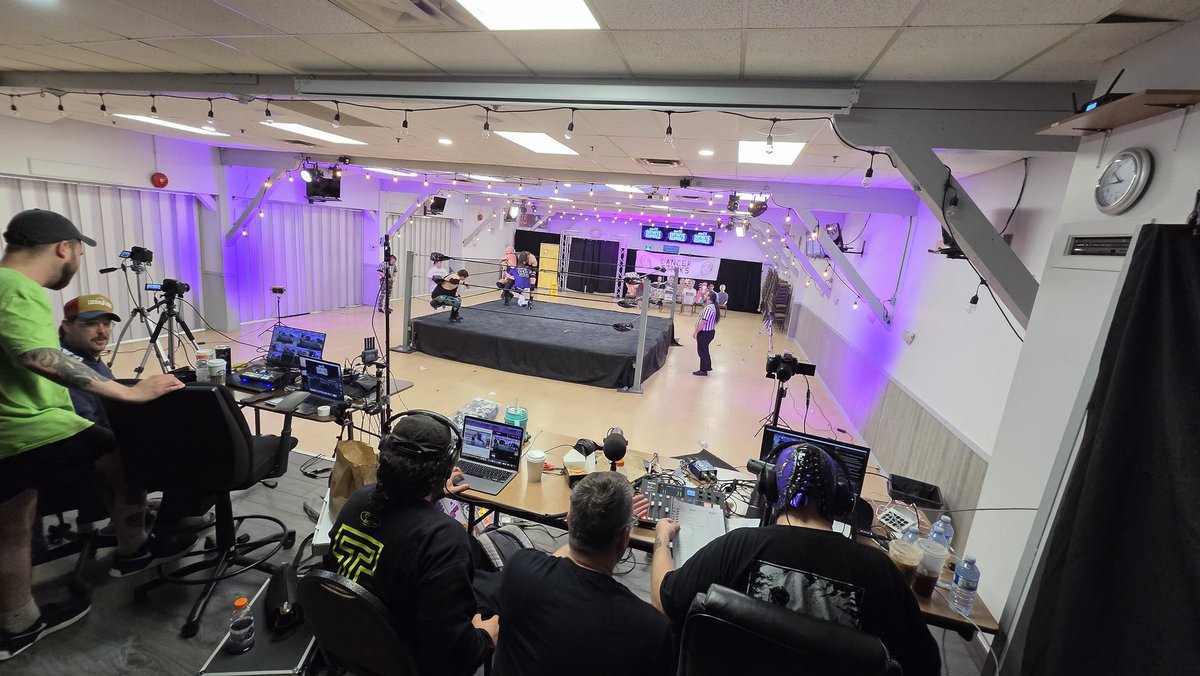
Regional promotions in the Pacific Northwest have seen a massive uptick in ticket sales. Fans are actively rejecting the cookie-cutter polish of the national giants in favor of the gritty, unscripted nature of local cards. This is a direct response to the corporate homogenization of the sport.
3. The Execution of the Triple-Rotation Moonsault
During a spring pay-per-view, a talent successfully landed a triple-rotation moonsault, a move previously considered impossible in heavy-weight competition. The precision required to secure the transition was flawless. Though risky, the execution highlights the increasing athleticism of the roster compared to the last decade.
2. The Contract Disputes at the Top Tier
The internal conflict regarding performer pay structures has reached a boiling point. Reportedly, two top-tier stars threatened to walk out just hours before a scheduled defense due to licensing splits. Management eventually caved, resulting in a 15% increase in their base appearance fees for the current quarter.
1. The Off-Script Protest in Atlanta
The most disruptive moment of 2026 occurred in Atlanta when a performer sat in the middle of the ring and refused to engage in the scripted finish. This was not a work; the microphones caught the performer explicitly rejecting the creative direction for the upcoming draft. It remains the most honest, uncomfortable, and significant incident of the year, forcing a total internal review of talent relations policy.