The State of the Industry
Professional wrestling remains a sport defined by volatile booking and rapid talent movement. As we hit June 2026, the industry is grappling with physical longevity and the logistics of corporate headquarters.
1. The WWE Headquarters Flag Incident
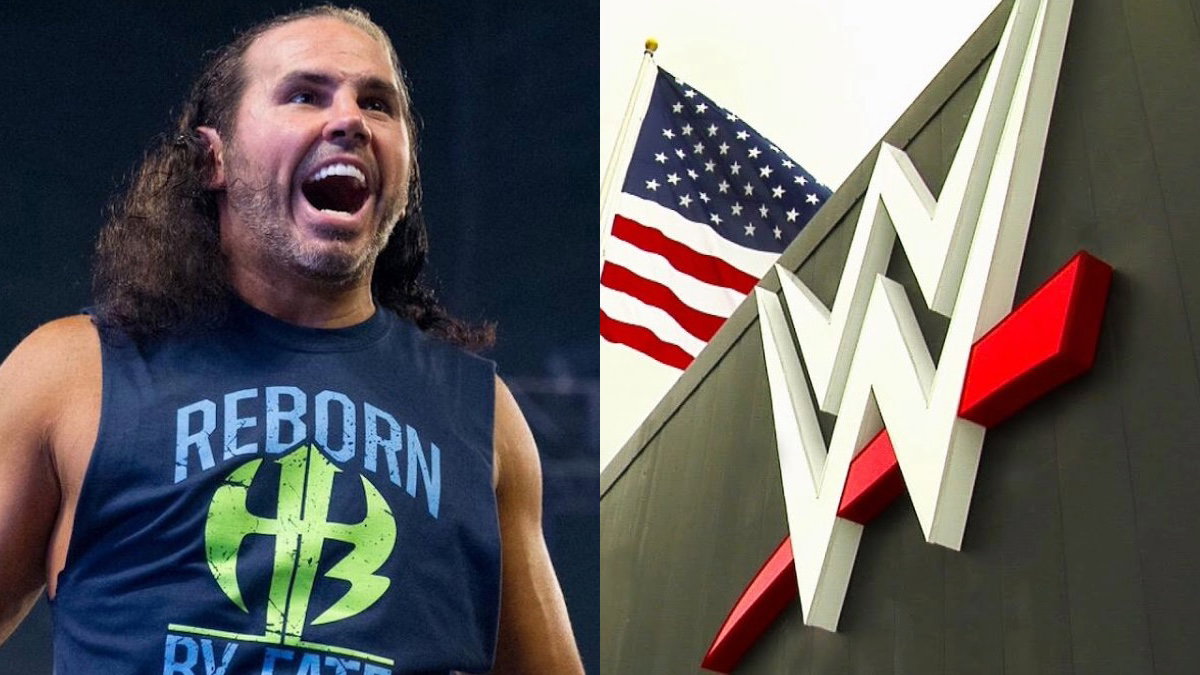
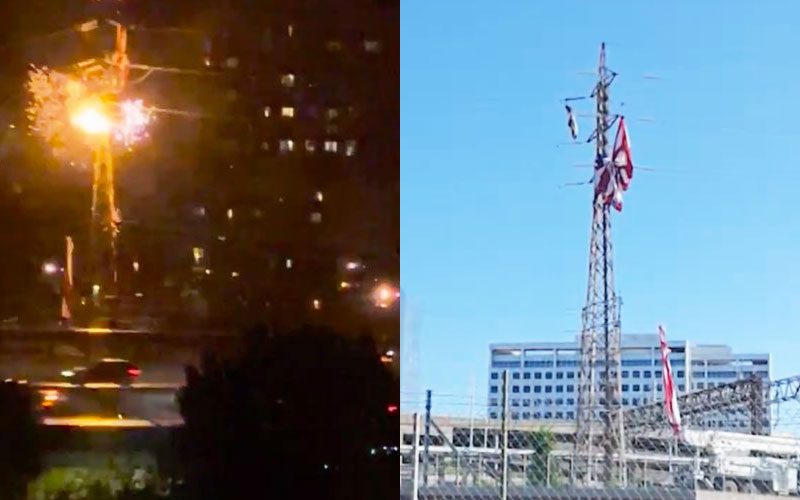
The visual of a massive American flag failing at WWE headquarters created a social media firestorm. Fans speculated regarding structural failure or sabotage during the high-profile installation. As reported by Ringside News, the situation was significantly overstated by observers. The incident barely registered as a logistical hiccup behind internal walls.
2. Fabian Aichner Joins TNA
Fabian Aichner’s transition from the WWE moniker Giovanni Vinci to the TNA roster is the most significant personnel shift of 2026. Aichner brings elite workrate to a promotion starving for main-event credibility. His arrival signals TNA's intent to compete for disenfranchised WWE mid-carders.
3. Rey Mysterio’s Injury Management
Mysterio continues to defy biological reality while fighting off constant injury concerns. He is balancing high-stakes matches with off-screen commitments like his upcoming animated series. Keeping a legend of his stature healthy for 2026 dates is a win, but the mounting mileage on his knees is undeniable.
4. Ratings Stability
The current ratings war lacks the explosive growth of 2024. Most weekly shows have seen viewership plateaus, leaving executives concerned about long-term advertising revenue. The lack of a breakout star has stagnated the growth of newer weekly programming.
5. The Shift in TV Production
TNA and WWE have both experimented with cinematic presentation transitions over the last six months. WWE’s move toward grit-focused wide shots hasn't landed with the fan base as intended. It looks like a stylistic reach for a maturity that the product hasn't earned.
6. Independent Circuit Fatigue
The volume of indie shows across 2026 has effectively diluted the talent pool. High-tier workers are being stretched too thin, often resulting in lower-quality main events. It is a business model built on quantity over the necessary quality of storytelling.
7. The World Cup Distraction
With the 2026 FIFA World Cup starting June 11, wrestling promotions are bracing for a massive viewership dip. Proactive scheduling changes haven't been enough to stave off the expected decline in attention. Wrestling remains a niche product compared to the global juggernaut of soccer.
8. Booking Inconsistency
The reliance on multi-man tag team matches to fill airtime has reached an all-time high. It is a lazy way to protect stars while preventing clean finishes in high-stakes bouts. When 40 percent of TV matches end in interference or DQ, the audience stops caring about the outcome.
9. Merchandise Revenue Shifts
Sales of legacy merchandise have hit a wall, forcing promotions to pivot toward digital assets and niche collectibles. The shift reveals a fanbase that is increasingly selective about what physical items they purchase. It represents a pivot away from traditional apparel staples.
10. The Return of Technical Style
Despite the high-speed trends of the early 2020s, submission-based wrestling is seeing a minor resurgence in 2026. Several younger talents have integrated pure Greco-Roman holds into their finish sequences. It is a welcome rejection of the over-produced spectacle that defined recent years.
Honorable Mentions
The persistent rumors surrounding contract renegotiations for unnamed top-tier free agents remain a distraction from the in-ring product. Additionally, the increasing reliance on arena-specific crowd gimmicks has started to feel like a parody of itself. These moments serve as a reminder that the industry is still searching for its next true hook.