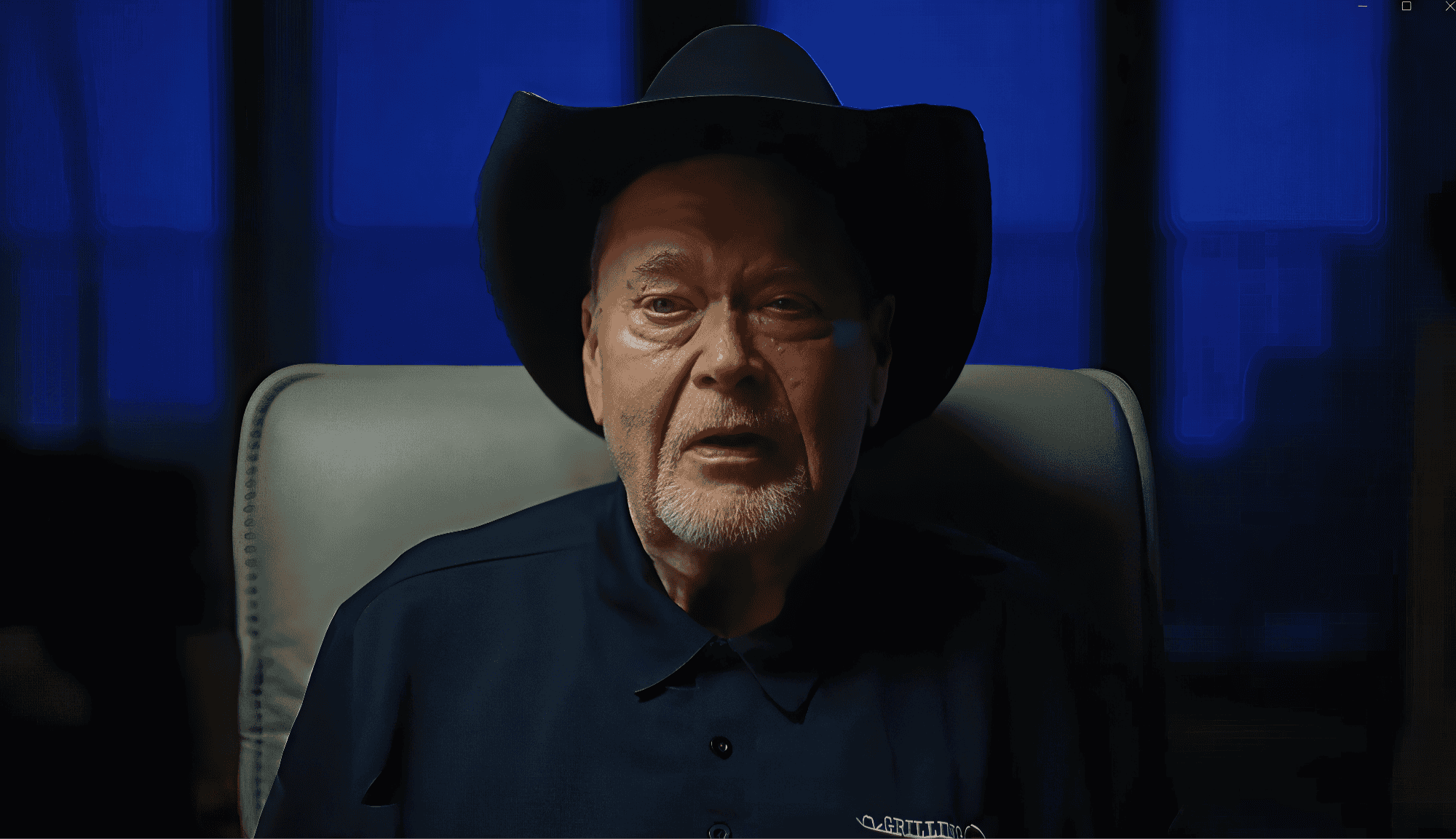
Tony Schiavone still feels the ghosts of the Monday Night Wars
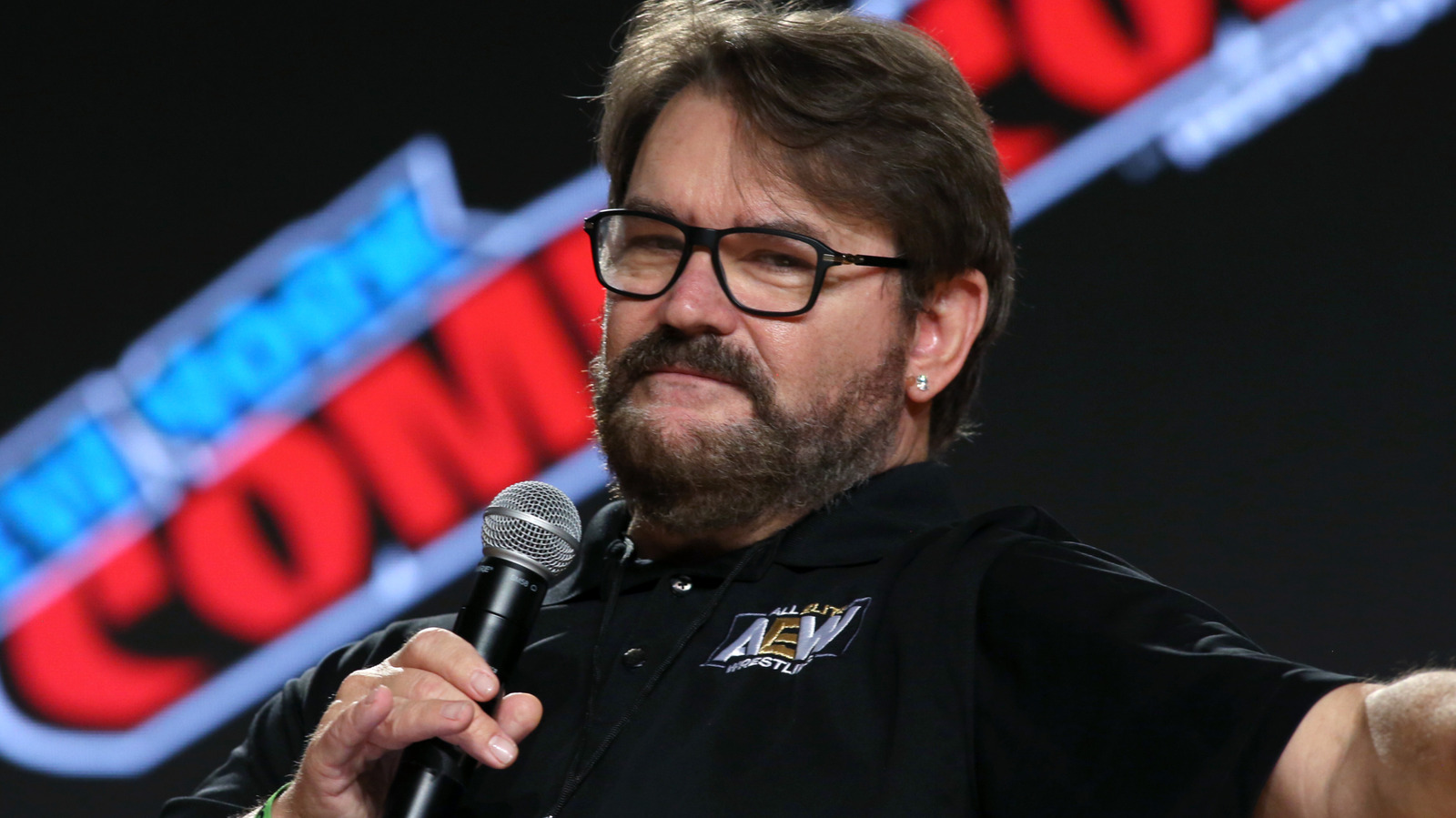
The weight of the broadcast booth
Experience in wrestling broadcasting is often mistaken for numbness. After calling thousands of bouts from the mid-Atlantic territory days through the peak of the Monday Night Wars, you would assume talent like Tony Schiavone could recite a play-by-play while asleep. Yet, the recent revelation that Schiavone still experiences genuine nerves is a distinct reminder that the stakes of live television never truly evaporate.
Schiavone discussed these moments of anxiety during a recent interview, noting that even with his tenure, specific segments force him into a high-pressure headspace. It is a sharp deviation from the polished, professional veneer he maintains on TBS every week. When a broadcaster who has seen everything from Ric Flair’s prime to the late-nineties WCW chaos admits he felt butterflies, it tells you something about the intensity of the current AEW product.
Why the stakes matter more than the script
We often treat professional wrestling as a solved equation. We map out the booking sheet, calculate the projected draws, and debate the merits of a specific finish. However, the emotional authenticity of the person holding the microphone is a performance variable we consistently ignore. Schiavone’s acknowledgment of his nerves is not a sign of weakness. It is a sign that the product feels volatile.
Consider the contrast between his current role and his time at WCW. Back then, the pressure came from Ted Turner and the constant threat of a ratings war with the WWF. Today, while Schiavone recounted his history, it is clear that he treats the current roster with a standard of gravity missing in other promotions. He still carries the institutional knowledge of the 1990s, where every segment was treated like a final battle for the soul of the industry.
The danger of becoming too comfortable
Schiavone’s comments highlight a critical flaw in modern presentation: comfort creates complacency. Many current commentators treat bouts like chores, merely filling silent gaps with technical terms rather than narrative stakes. When the person calling the match treats it like a routine work shift, the audience reacts in kind. They stop caring about kick-outs and near-falls, and the heat drains from the arena.
A broadcaster’s job is to act as the primary barometer for tension. If Schiavone can find a way to summon butterflies during a high-stakes standoff or a chaotic segment, it provides the viewer with a cue to take the action seriously. It is a psychological tether between the talent in the ring and the fan at home. Without that genuine, internal spike in blood pressure, you are just watching two people in tights engaging in a rehearsed sequence.
The booking gap
Critically, this intensity is not always matched by the booking. Having a veteran like Schiavone at the desk is a massive asset, but even he cannot sell a lackluster angle if the narrative logic is missing. We see moments where the broadcast team is forced to carry the weight of uneven storytelling, trying to make the crowd invested in a program that has been cooling for weeks.
The value of a broadcast legend is that they provide a baseline of legitimacy. When Schiavone speaks, he invokes the history of the sport. His nerves serve as a reminder that the product is a living, breathing machine that can fail at any second. As we approach the second half of 2026, the question remains whether the younger generation of announcers can replicate this sense of urgency without having lived through the actual trenches of the industry’s most vicious era.
WWE Championship Toy Title Belt
Hold the gold and live out your championship dreams right in your living room!
Frequently Asked Questions
How does Tony Schiavone feel before calling matches?
Why does Tony Schiavone believe broadcasters should feel nervous?
What is the primary role of a wrestling commentator?
How does current broadcasting compare to the WCW Monday Night Wars?
What is a potential flaw in modern wrestling commentary?
More Coverage

NXT needs to stop relying on legacy acts to carry the brand
1 day, 1 hour ago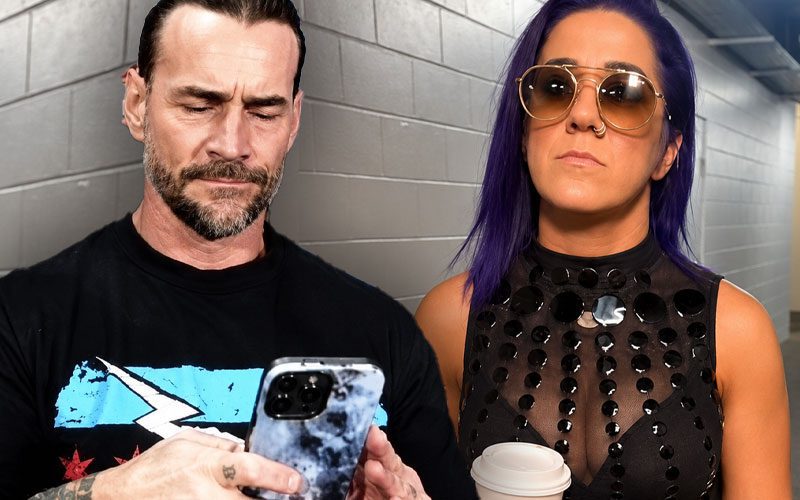
CM Punk is trolling online again, but Bayley is the real variable
1 day, 22 hours ago
AJ Lee is proving that ring rust is a myth
2 days, 9 hours agoRachel Price's legal victory highlights the cost of independent wrestling
2 days, 18 hours ago
Vince McMahon’s comeback isn't just a rumor, it's an inevitability
3 days, 9 hours agoMic Check: Ranking Today's Best Talkers in Wrestling
3 days, 19 hours agoMore Analysis
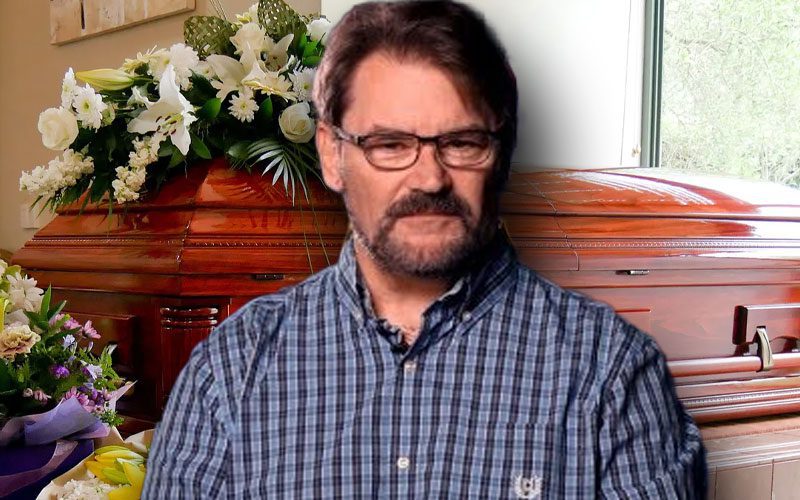
Tony Schiavone’s blunt realism hits harder than any wrestling eulogy
1 month ago
Why we are romanticizing the wrong era of wrestling commentary
1 month, 1 week ago
Why AEWs commentary booth needs Jim Ross more than ever
1 month, 3 weeks ago
Tony Schiavone’s career longevity defies wrestling booking norms
1 month, 3 weeks ago
Could Tony Schiavone be pivoting to an expanded broadcast role
1 month, 3 weeks ago