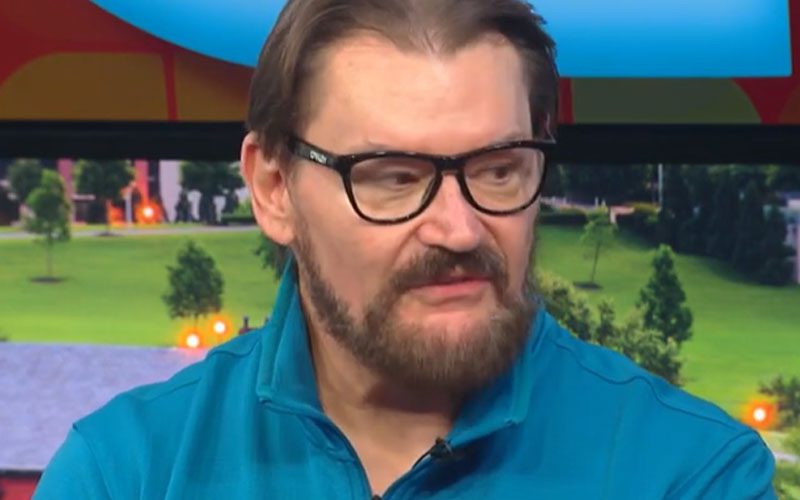
The veteran voice finds new resonance
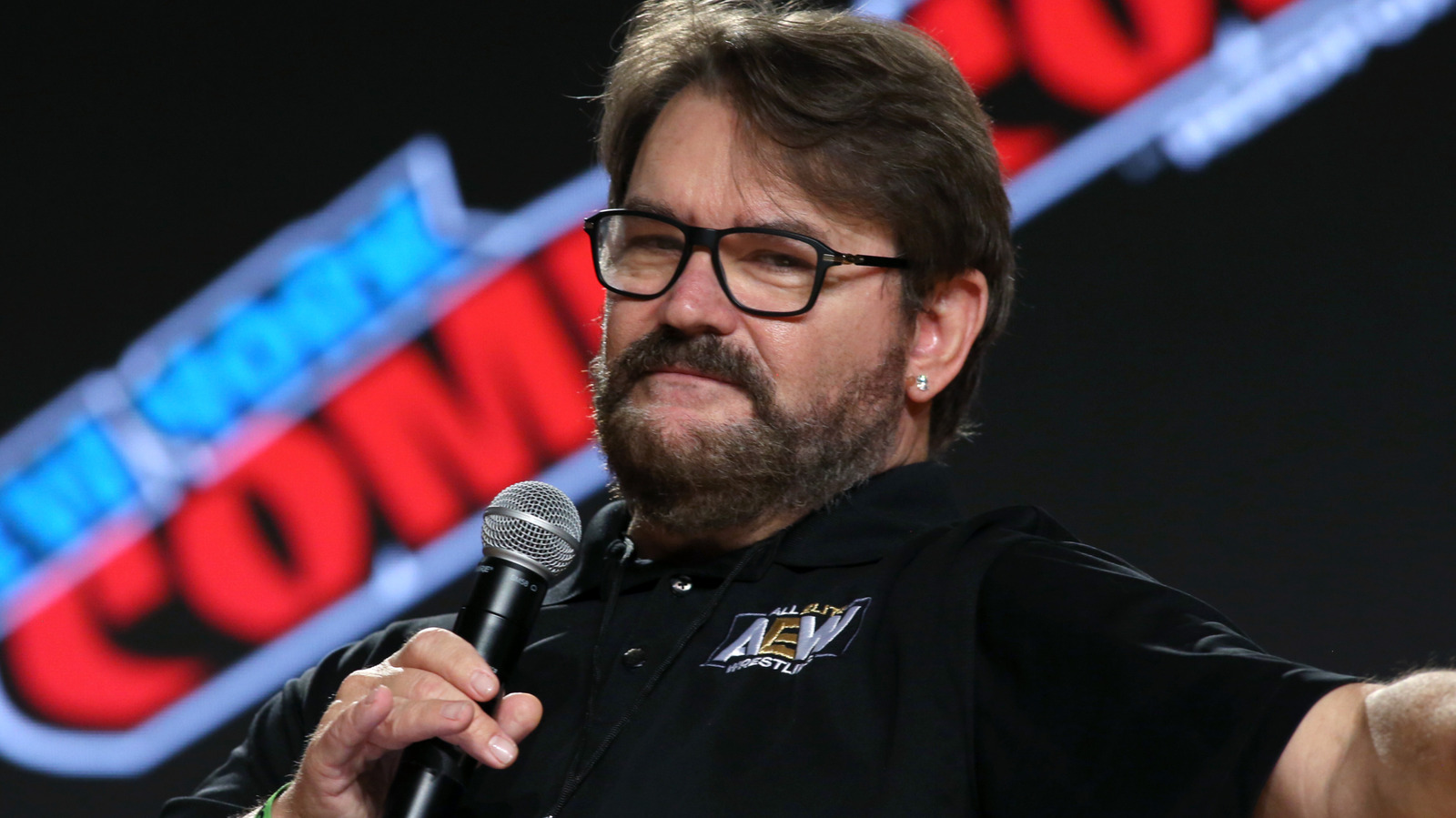
Tony Schiavone stands as a rare constant in a sector known for volatility. After finding his footing at AEW, recent public remarks have triggered chatter regarding his long-term broadcast trajectory. While he holds a tenure that spans back to his days at the Crockett Promotions office, the industry is buzzing about a shift in his duties.
Reports surfacing from his recent appearance on CBS' Virginia This Morning caught the ears of close watchers. Schiavone has navigated decades of industry shifts, yet his current engagement with AEW remains the focal point for those tracking his next move. The speculation centers on whether he will transition into a strictly legacy ambassador role or maintain his high-frequency commentary duties.
Source credibility and context
The murmurs concerning his future do not come from thin air. PWInsider documented his recent media circuit, which provided a platform for him to retrace his professional roots. Fans have scrutinized these interviews for hints about contract negotiations. The consensus among serious followers is that Schiavone is evaluating how his voice fits into the modern, high-paced product.
His backstory remains essential for understanding his current mindset. Ringside News noted his initial goal was baseball broadcasting, not the squared circle. This explains his commitment to the craft of play-by-play. When the action heats up, he leans on the fundamental principles of sports journalism, a skill that separates him from the more hyperbolic voices currently saturating the network airwaves.
The creative friction point
Any potential change in his role would need to address the creative limitations that have frustrated him in the past. His history serves as a cautionary tale for promoters. In a resurfaced anecdote about the late nineties, Schiavone explicitly blocked a creative pitch involving Tank Abbott throwing a real strike at him during a WCW segment. He values the integrity of the broadcast booth over cheap stunts.
This rigid boundary is a double-edged sword. While it protects the credibility of the broadcast, some creative leads argue it creates a barrier between the commentator and the performers. If an organization wants to push hard into more chaotic, reality-blurring angles, they might find Schiavone unwilling to participate in the physical or narrative risks required. He is a professional broadcaster, not a prop.
The evolution of the play-by-play chair
Why would he move or adjust now? The current industry trend favors commentators who can handle social media integration and live, multi-platform streaming. Schiavone is old-school. His strength lies in the linear storytelling of a standard two-hour broadcast. If the promotion pivots to a more fragmented, social-first distribution model, he may choose to reduce his schedule.
His career longevity is a genuine achievement, but even a classic style faces fatigue. He has called thousands of matches, including iconic nights involving Ric Flair and Sting. Watching him attempt to adapt to the frenetic, constant-interruption style of 2026 wrestling often results in a disjointed experience for the viewer. A reduction in output could actually prolong his relevance by keeping his presence special.
Probability and outlook
At current levels, I place the likelihood of a total retirement or departure at low. He remains deeply embedded in the AEW production apparatus, and he seems to enjoy the current locker room chemistry. However, a transition toward a less exhaustive travel schedule is highly probable. Expect this shift to be formalized by the end of the third quarter of 2026.
If a new deal is struck, the impact would be felt immediately in the broadcast booth. A lighter schedule creates space for the next generation of callers to step up, potentially creating a mentorship dynamic that has been lacking since the departure of veteran producers. It would mark the end of his era as a nightly fixture and the start of his tenure as a senior statesman of elite-level narration.