Why AEWs commentary booth needs Jim Ross more than ever
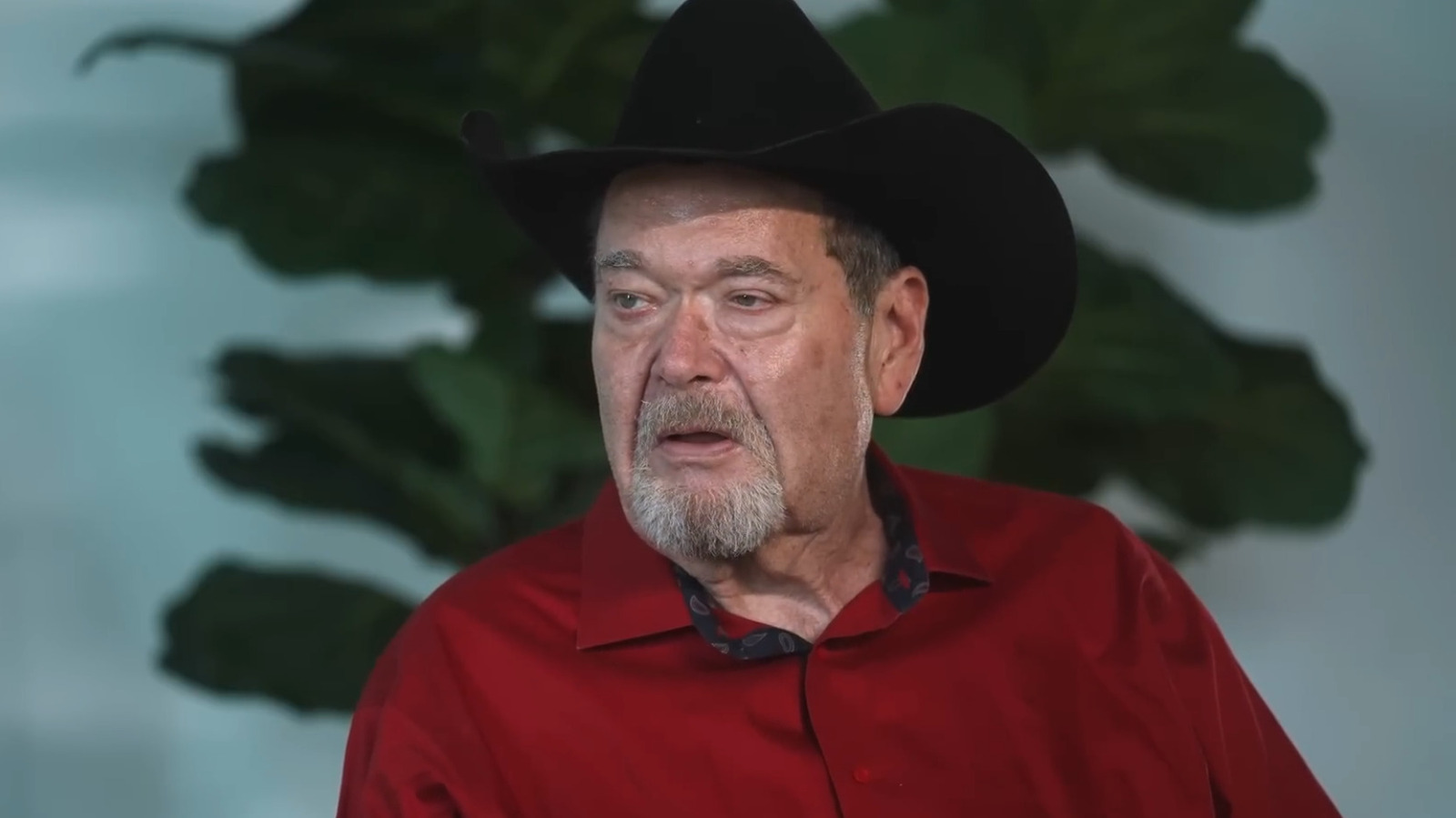
The necessity of a familiar voice in a shifting booth
The rhythm of professional wrestling commentary is often misunderstood as filler between high-impact transitions. When Jim Ross speaks about his current standing in AEW, it is not merely about job security or a transition into the sunset of a storied career. He is the anchor for a broadcast product that frequently prioritizes explosive athleticism over coherent narrative framing. With recent reporting confirming his contract status remains active as he looks toward the future, the value of his presence in the booth becomes a matter of broadcast utility.
Ross brings a level of gravitas to mid-card matches that younger analysts struggle to replicate. Watch any high-octane encounter where the stakes have not been established through long-term booking. Without a seasoned voice to frame the urgency of a count or the legitimacy of a finisher, the match risks becoming a series of disconnected spots. His cadence—slow during initial lockups, peaking at the 15-minute mark—remains the gold standard for pacing.
The technical friction of the modern AEW broadcast
Criticism of the current AEW commentary style often focuses on the lack of focused storytelling. When the booth becomes too chaotic, the audience loses the thread, especially during the hectic pacing of Wednesday night programs. Ross acts as a filter, prioritizing the primary conflict while allowing the color analysts to chase secondary details. When he is absent, the broadcast frequently drifts into play-by-play that reflects the speed of the wrestlers rather than the gravity of the stakes.
Even his biggest detractors must admit that his ability to sell a finishing maneuver is unmatched. While modern commentary tends toward over-explaining the move name or technical variation, Ross emphasizes the physical damage. It is a subtle difference, but one that prevents the audience from becoming desensitized to the 20-plus near-falls that have become standard in AEW main events. Without that emotional check, a sequence of three consecutive false finishes can feel like an arithmetic exercise rather than a contest.
Defining the role of the play-by-play caller
The transition of SmackDown to a two-hour format highlights the broader industry shift toward efficiency. AEW would do well to apply a similar lens to their commentary strategy. By streamlining the narrative focus of their booth, they could solve many of the pacing issues that currently plague longer matches. Ross is not a relic; he is a specialist in keeping the audience locked into the singular goal of a match.
There is a risk, of course, in relying on a legendary figure for too long. His occasional misses on performer names or complex indie move sets can break immersion for the hardcore segment of the fanbase. However, those minor hiccups are preferable to the homogenized, overly scripted style that has plagued broadcast delivery elsewhere. He offers a tangible sense of stakes that a perfectly polished, yet hollow, performance cannot touch.
Ultimately, a promotion as volatile as AEW requires a steady hand during live broadcasts. Whether he remains behind the table for every weekly show or moves into a more curated, high-profile role, his influence is a stabilizing force. If the company is serious about sustained growth, they will prioritize institutional knowledge over the lure of a new, loud, but ultimately rudderless broadcast voice. His contract status is a minor detail; his continued utility is the real story.
Wrestling Observer Newsletter: Young Bucks Autobiography: Killing the Business: Backyards to the Big Leagues
The definitive guide to how indie wrestlers changed the game.
Frequently Asked Questions
What role does Jim Ross play in AEW broadcasts?
How does Jim Ross improve the commentary for AEW matches?
Why is Jim Ross considered a technical necessity for AEW commentary?
What issues does AEW encounter when Jim Ross is not on commentary?
What are the common criticisms of Jim Ross’s work in AEW?
More Coverage

Top 10: Tony Khan’s Managing Style
an hour ago
Tony Khan keeps swinging: Media scrums, title bloat, and Goldberg’s signals
an hour ago
Vince McMahon stories are still the weirdest thing in wrestling
23 hours agoBeyond Wrestling just booked a show for nobody and it somehow worked
1 day, 1 hour ago
Tony Khan is fighting on every front and the fans are officially exhausted
1 day, 5 hours agoAEW reality check: The G1 Climax isn't your indie playground anymore
1 day, 9 hours agoMore Analysis
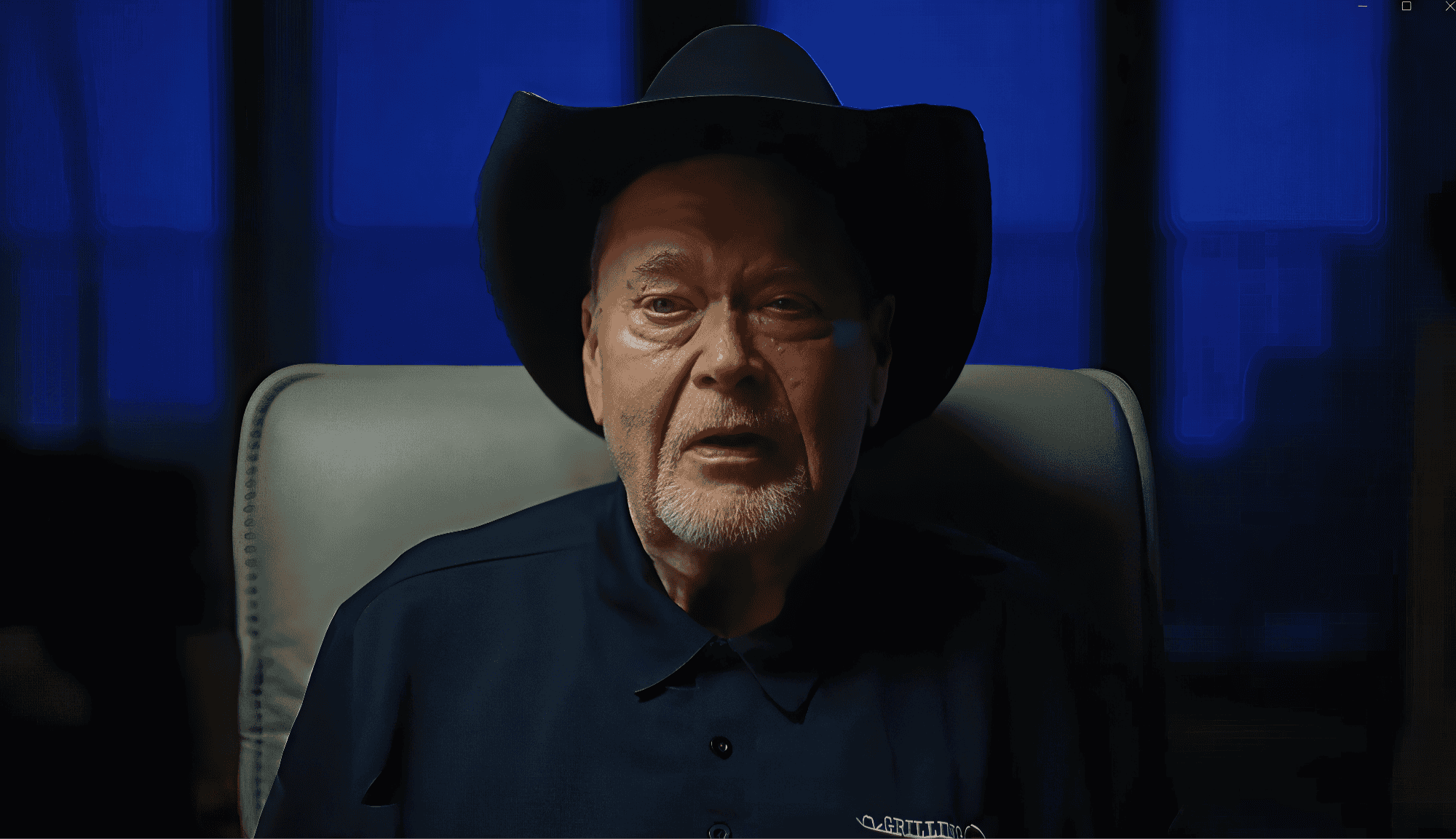
The broadcasting booth feels empty without Jim Ross
3 weeks, 6 days ago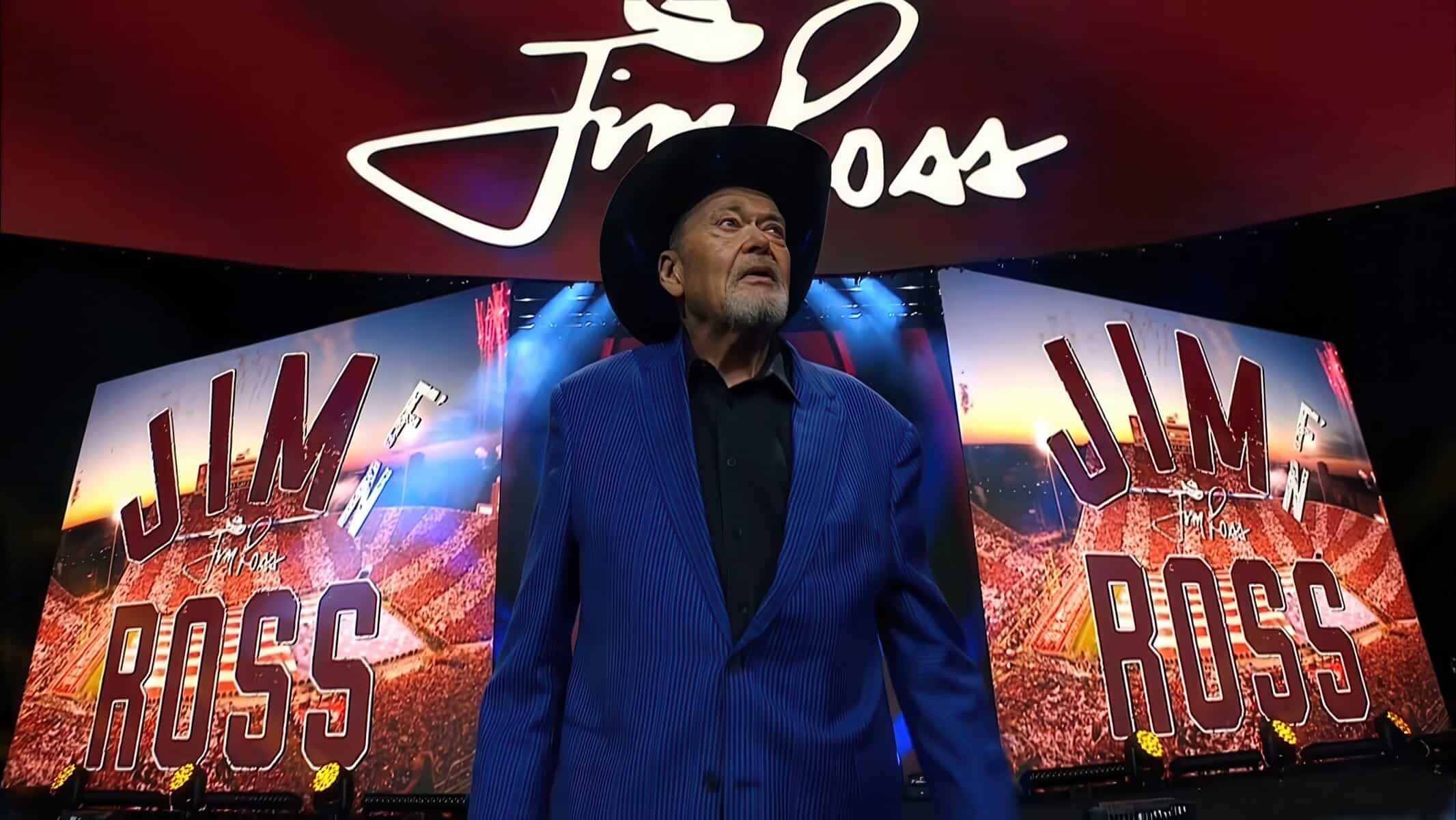
Jim Ross is heading home, but AEW's commentary booth has already moved on
2 weeks, 5 days agoWhy Jim Ross remains AEW's most important tactical asset
2 weeks, 5 days agoJim Ross and the sound of professional wrestling's final act
1 month, 2 weeks ago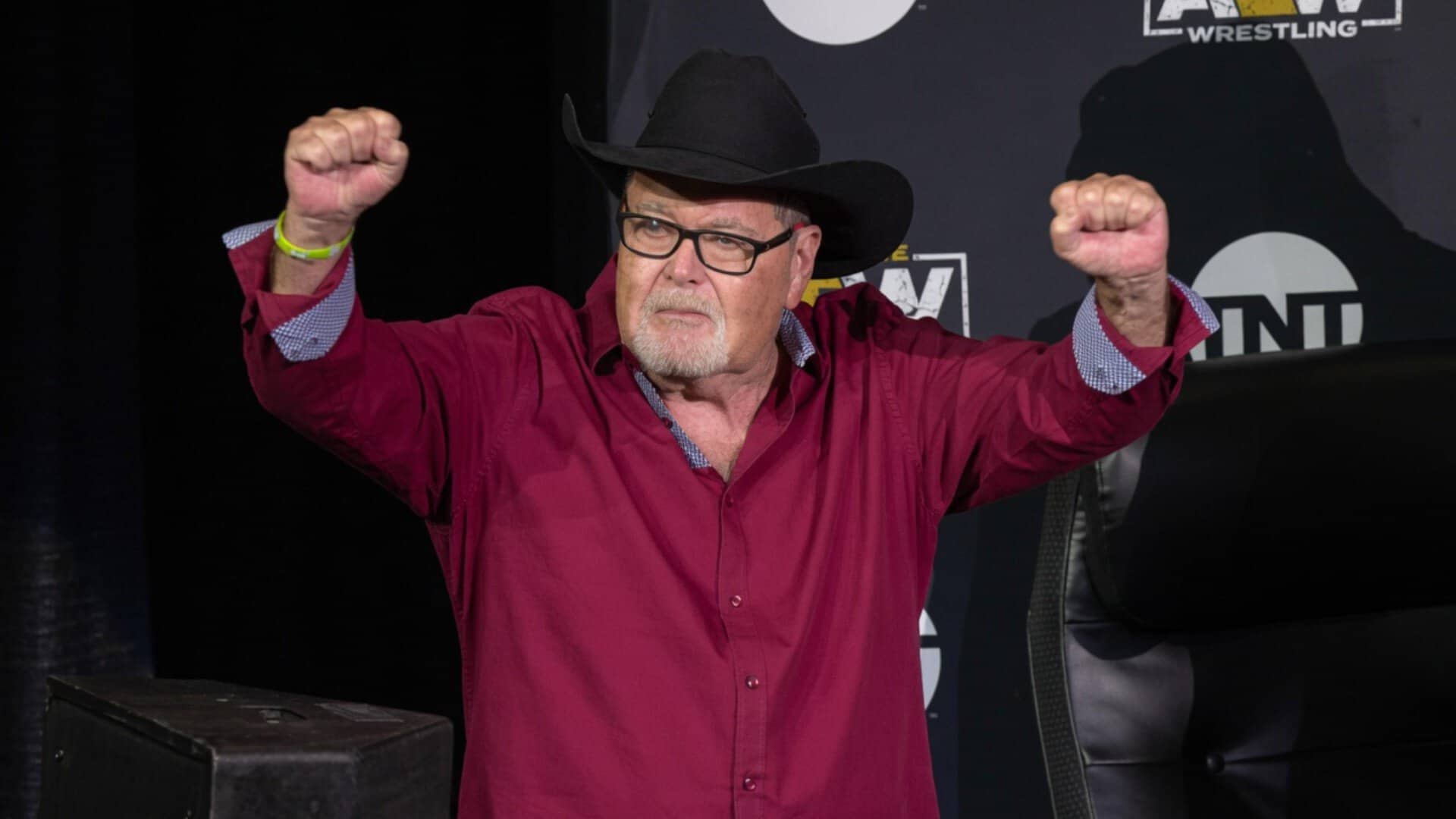
Why Jim Ross’s latest health battle signals the end of his AEW run
1 week, 2 days ago