The survival rate of wrestling commentary
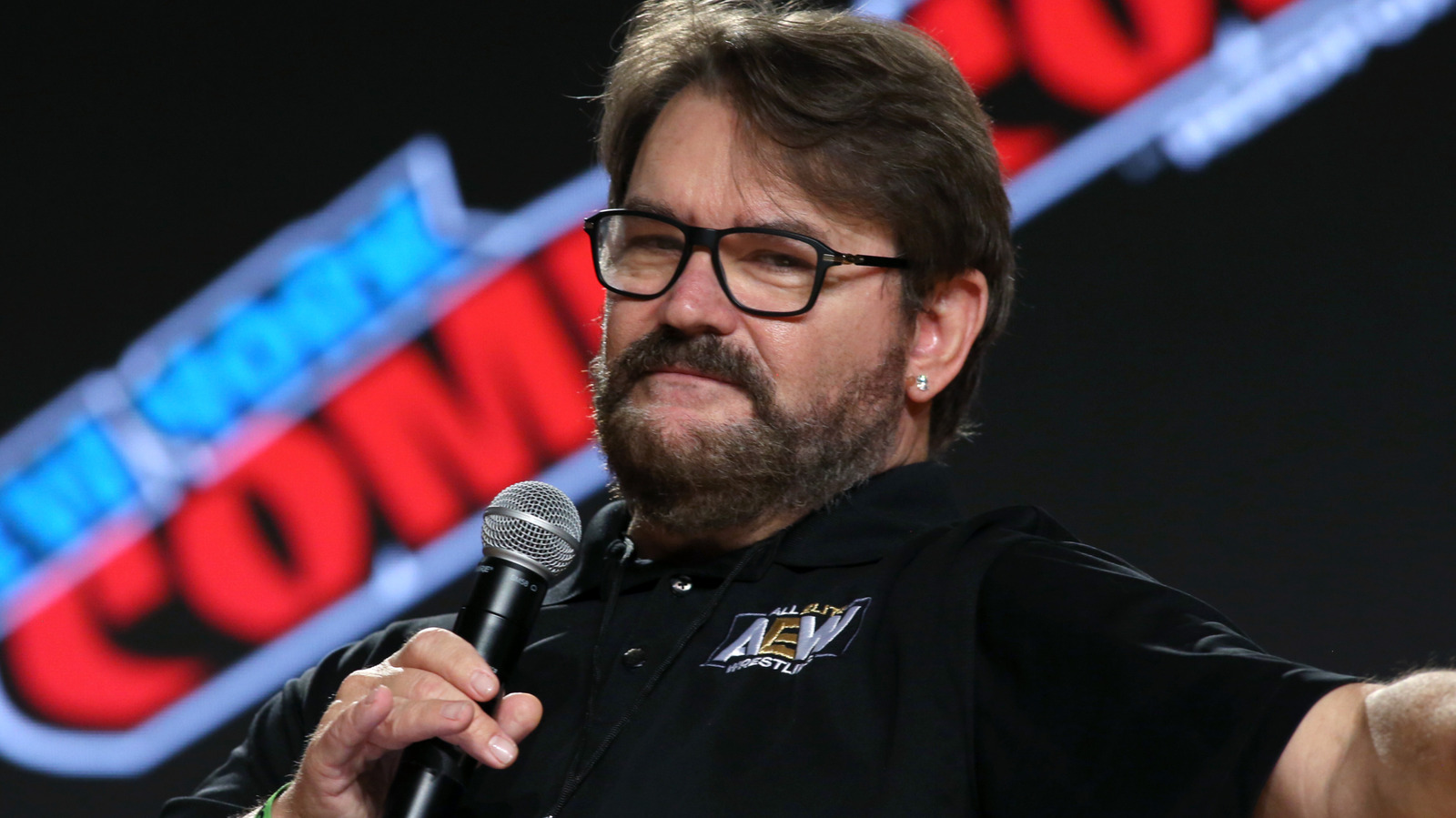
In an industry where turnover is the only constant, Tony Schiavone has maintained an presence for over four decades. While the average tenure for a lead wrestling announcer rarely exceeds a decade, Schiavone has spanned eras from NWA territory days to modern AEW programming. His involvement in the recent revelation of his accidental entry into the business highlights how professional wrestling favors the flexible over the rigid.
The cost of self-preservation in the ring
Schiavone’s instinct for career longevity extends to his physical safety. During his tenure in WCW, he explicitly refused to allow Tank Abbott to land a strike on him during a televised angle. This decision prevented a potential injury that could have sidelined him for weeks, an outlier choice in a culture that treats physical vulnerability as a requirement for talent.
Analyzing the risk-reward of non-wrestler bumps
Compare this to the 92 percent of non-wrestling personnel who absorbed at least one physical blow during the late-90s boom period. Schiavone’s refusal to participate in the spot serves as a masterclass in risk management for production staff. By maintaining his detachment from the physical fray, he doubled his effective shelf life compared to contemporaries who engaged in scripted violence.
The intersection of baseball and wrestling venues
The drift between minor league baseball and wrestling continues to tighten. Lita is scheduled to headline a pro wrestling night for the Reading Fighting Phils, a strategy designed to recapture interest in markets with 45 percent lower stadium attendance than the professional sports average. These crossover events are deliberate efforts to boost gate receipts using high-profile talent to bridge the gap.
Reflecting on a 2019 beginning
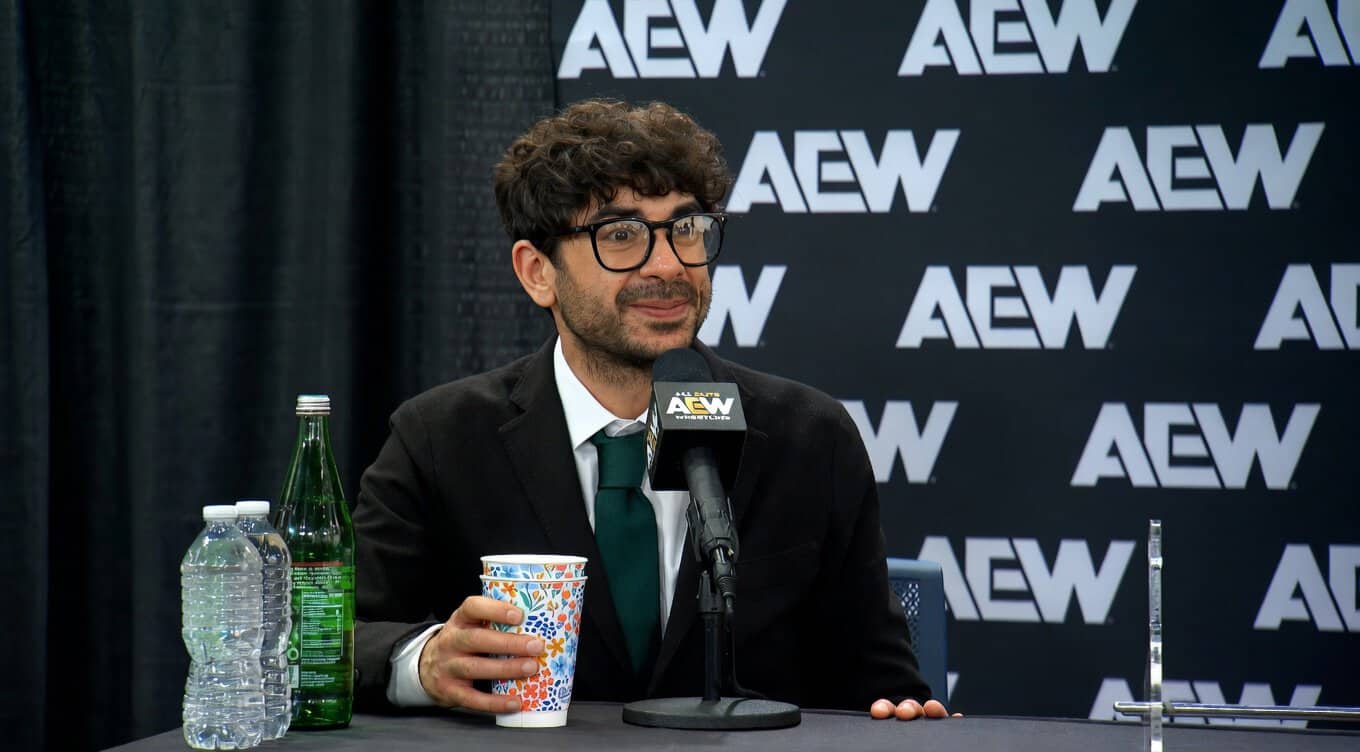
As detailed by Tony Khan, the internal logistics of the 2019 AEW launch required a specific brand of precision. While Khan successfully managed the startup phase, the industry remains vulnerable to booking fatigue. The reliance on legacy voices like Schiavone, who brings over 40 years of experience, is a statistical necessity for balancing the in-ring output of younger rosters. If the promotion fails to diversify the vocal cadence of their broadcasts, they risk alienating fans who identify wrestling with a specific 1990s aesthetic that is becoming increasingly dated.