The view from the wreckage of Rebellion
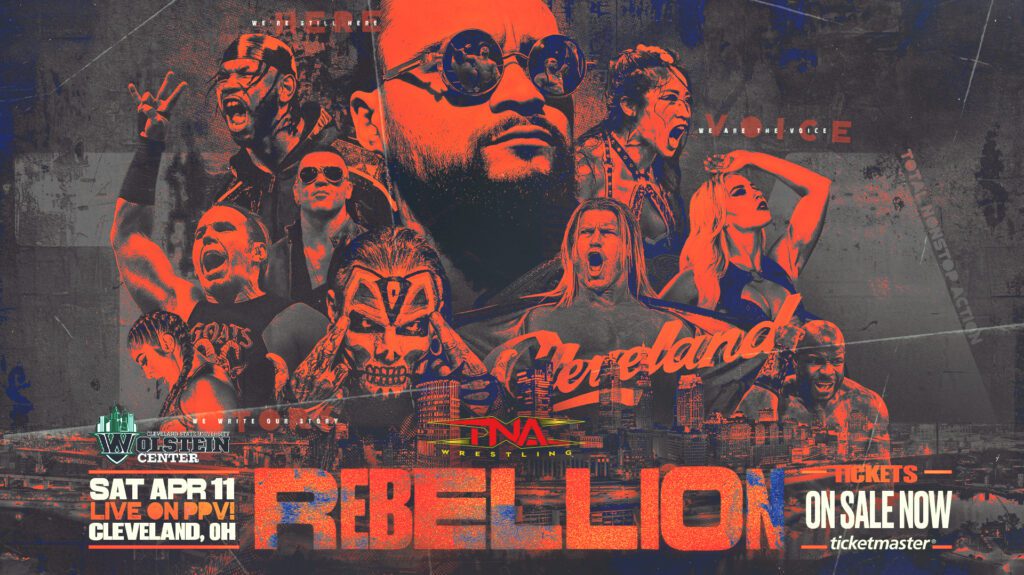
TNA Rebellion 2026 was supposed to be a stabilizer. Instead, it functioned as a heat map for organizational dysfunction. If you watched the April 11 broadcast, you saw the contrast between the in-ring work and the boardroom friction. The action was kinetic and often reckless, while the executive presence was openly radioactive.
The talent-pulling drama that preceded the event culminated in Carlos Silva getting showered with boos during the countdown show. When your own leadership is treated like a heel act by the live audience, the narrative integrity of the entire card begins to fray. It is difficult to invest in a title change when you are wondering if the company's internal politics are actively sabotaging the next six months of booking.
The cost of the spectacle
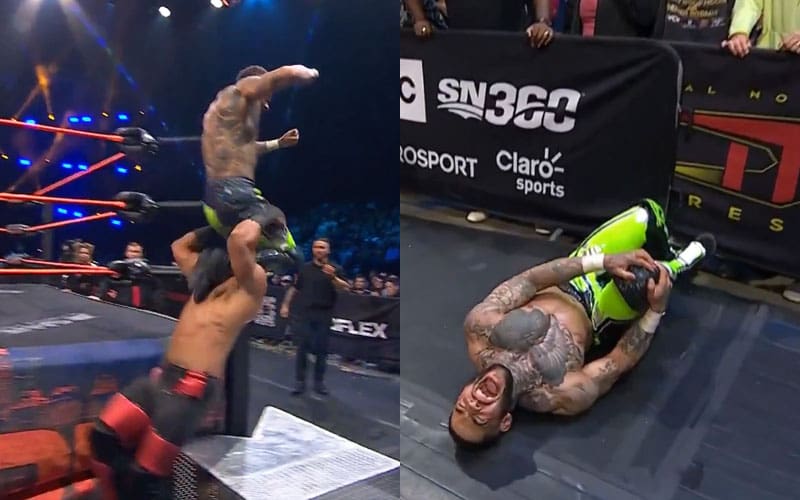
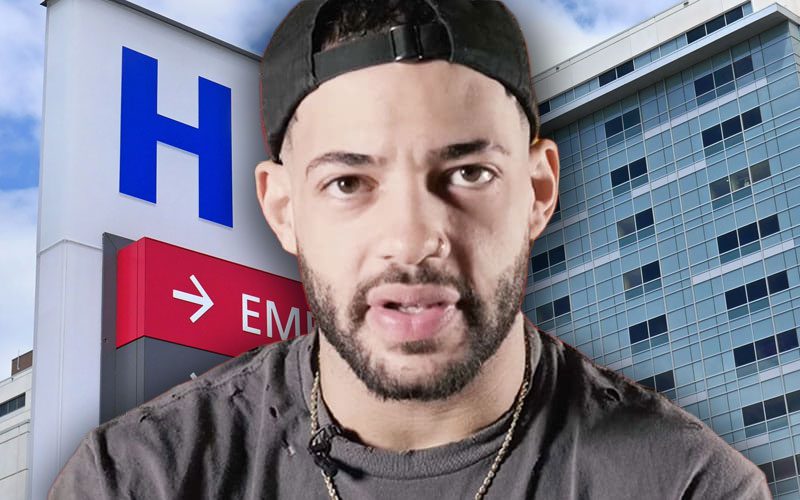
The athleticism on display should have been the headline. However, the physical toll was too high to ignore. Trey Miguel required a trip to the hospital following a brutal spot that effectively ended his run with the International Championship. When high-spots transcend wrestling and move into the medical tent, it forces a conversation about the safety of the product itself.
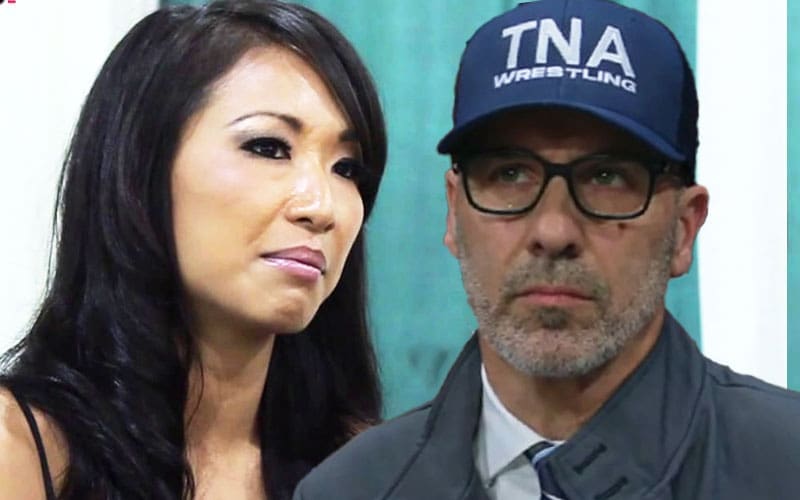
We saw some genuinely compelling character work, specifically the return of Abyss in the Undead Realm segment alongside James Mitchell. It was a rare, grounded moment amidst the chaos. Yet, even that triumph was overshadowed by the fallout. Gail Kim publicly criticized management for prioritizing egos over the product. When a foundational figure like Kim breaks rank, it signals that the unhappiness in the locker room isn't just about scheduling; it’s about a fundamental lack of direction at the top.
The booking paradox
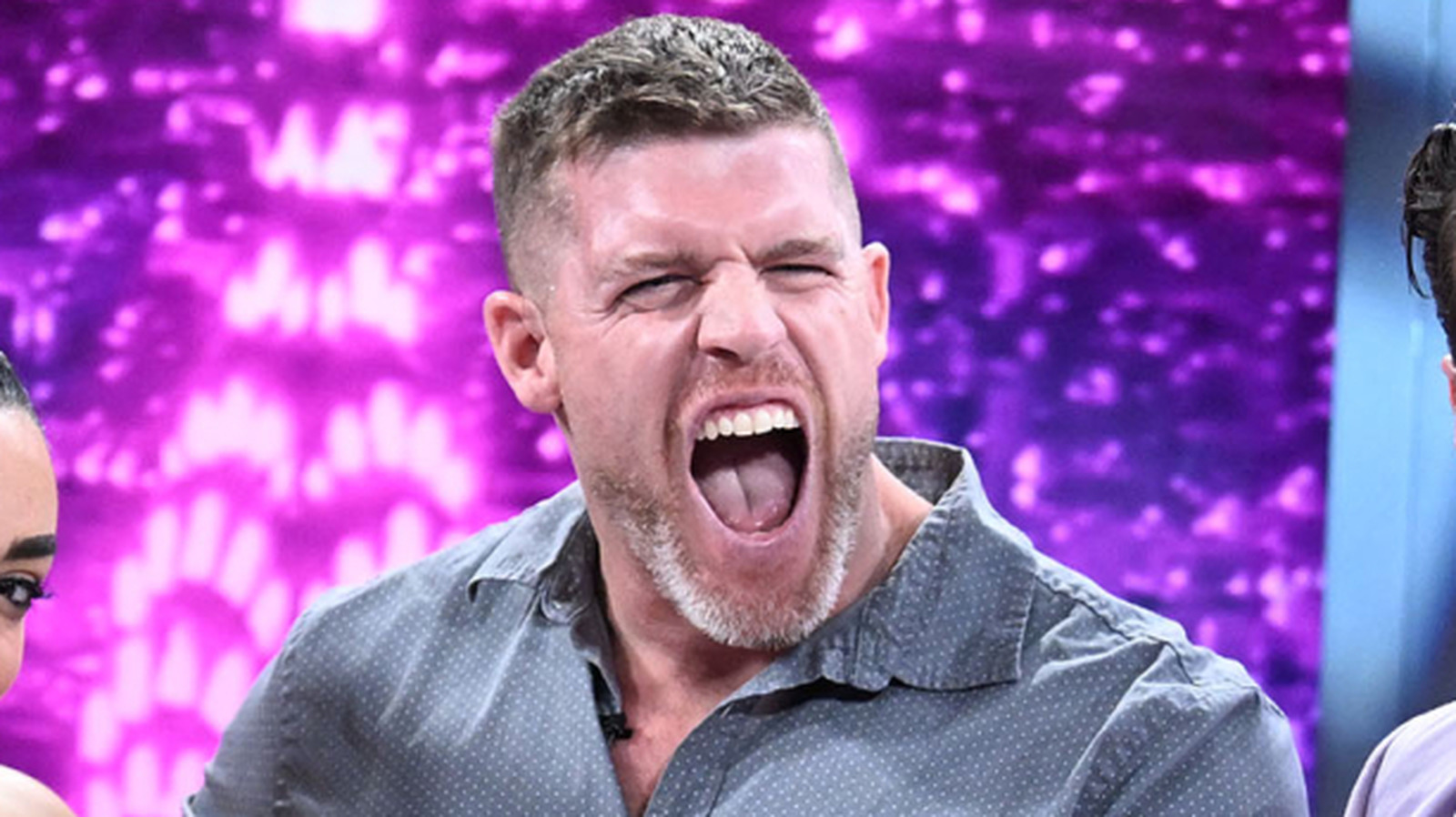
The return of EC3, who laid out Eric Young, felt like a desperate grab for momentum. It was a thunderous return, but it lacked the narrative buildup required for a main-event level shocker. It was a classic case of booking for the pop rather than for the story. Similarly, seeing Nic Nemeth rely on the chaotic interference of Bernie Kosar and the surprise return of KC Navarro to secure a win left a sour taste.
A championship victory should be a statement of dominance. Winning via a 3-on-1 equivalent while relying on guest stars feels like a short-term hedge against a lukewarm crowd response. The company ended the night with its biggest title on the line, presumably to leave the fans buzzing. By then, the room had been squeezed dry by three-plus hours of inconsistent logic and unnecessary external noise.
The verdict
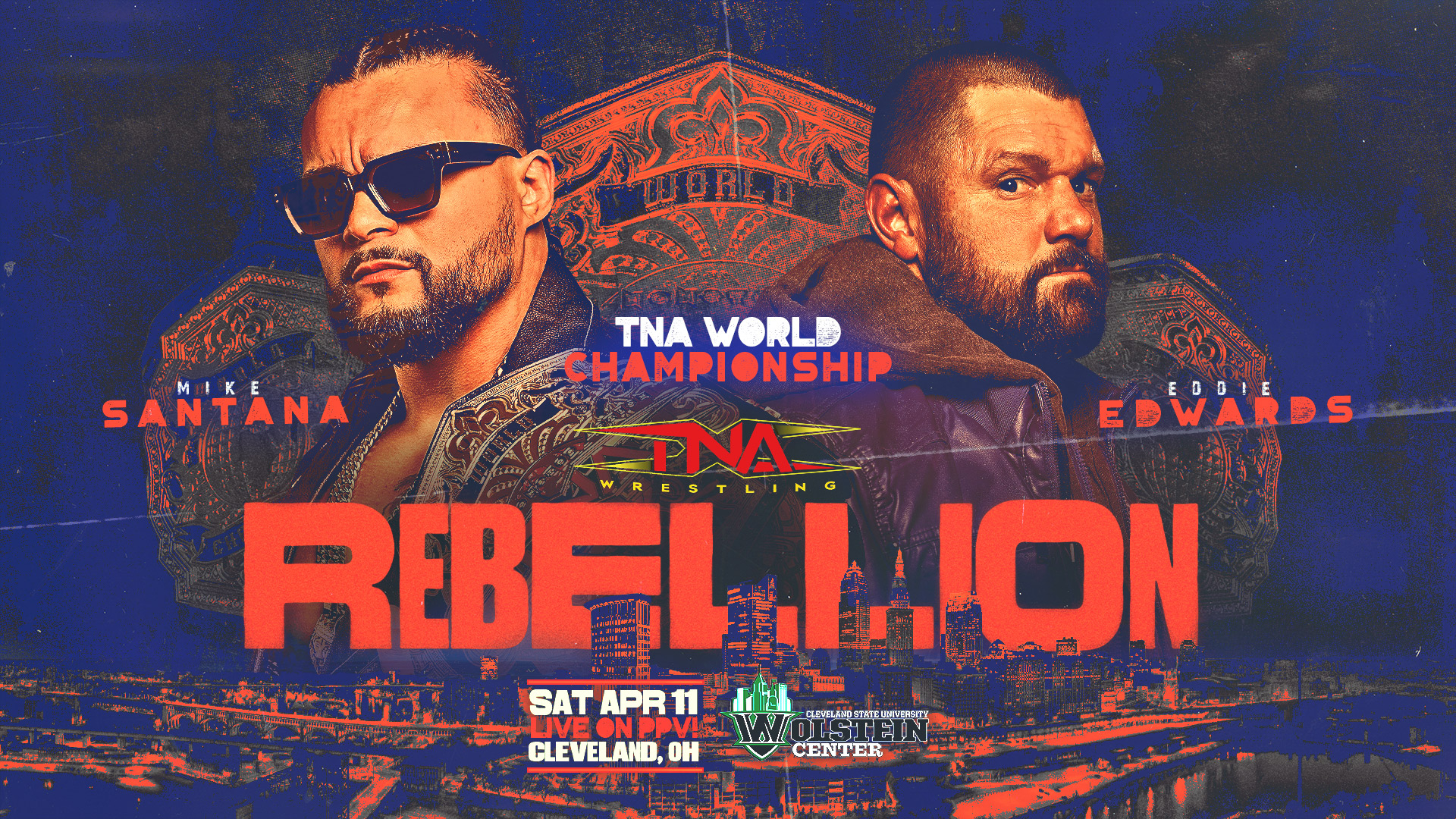
TNA possesses a roster capable of putting on high-level matches. The workrate between guys like Mike Santana and Eddie Edwards during their clash was technically sound. They delivered 4-star potential in the middle of a disaster zone. The issue is that the product is currently being held hostage by its own administrative cycle.
My prediction for the immediate aftermath? TNA will try to swing big on the next episode of iMPACT to bury these headlines. Expect EC3 to get the microphone immediately to try and redirect the narrative. Unless they address the concerns raised by Kim and fix the talent-scheduling disconnect, the viewership numbers will continue to suffer. They have the horses, but they are currently letting the jockeys run the race off a cliff.