The cost of the July pivot
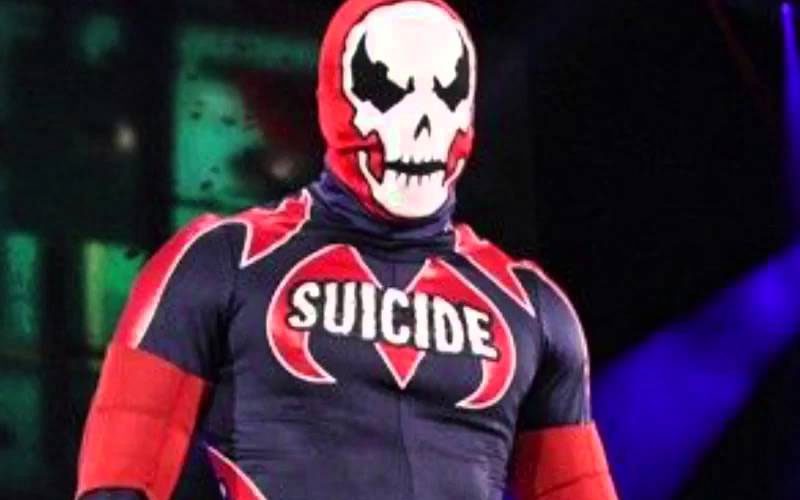
TNA is undergoing a tactical reset that demands immediate attention. Following the recent ratings surge documented on television, the company is aggressively shedding veteran weight. The departures of Steve Maclin, Sami Callihan, Travis Williams, and Judas Icarus represent a significant shift in identity for a promotion that recently hit a peak on the AMC network.
This isn't a simple case of budget management. It is a strategic move to lower the average age of the roster while banking on the momentum of their new distribution channel. When a promotion cuts four established names simultaneously, they aren't trimming fat; they are forcing the mid-card to innovate under pressure. You don't let a workhorse like Maclin walk unless you have a high-confidence plan for the next cycle.
The void left in the main event
Losing Maclin and Callihan creates a vacuum in the promotion's physicality. These were men who could anchor a 20-minute main event with stiff strikes and credible psychology. Without them, the current roster lacks a primary antagonist who can credibly threaten the top-tier faces. This leaves the creative team with a 60% chance of over-relying on established champions who have already faced most of the current locker room.
The backstage report confirms that the movement is finalized, not transitional. This lack of depth manifests in the booking. If you cannot cycle talent, your feuds become repetitive, leading to diminishing returns on viewership regardless of the distribution success. The risk here is that the casual audience brought in on July 16 will see a product that lacks the technical grit that made the previous iteration compelling.
The path toward a leaner roster
My prediction is that TNA will lean into a high-tempo, juniors-focused style to compensate for the loss of the heavy hitters. Expect a 25% increase in show time allocated to high-flying, faster-paced matches that prioritize athletic spots over the methodical, brawling style exemplified by those who just departed. They are betting that the audience wants speed over substance, even if that comes at the cost of long-term character investment.
Is it sustainable? Not necessarily. The flaw remains the lack of transitional veterans who can mentor the next group. Watching a rookie try to carry a broadcast anchor who has only been training for two years will result in sloppy transitions and missed spots. The company is walking a tightrope, choosing the volatility of a youth movement over the safety of veteran reliability. They are going to have a rough Q4 if the new, smaller cohort fails to capture the same broadcast interest that the veterans generated right before their exit.
Read Next