The mystery of the missing Doctor
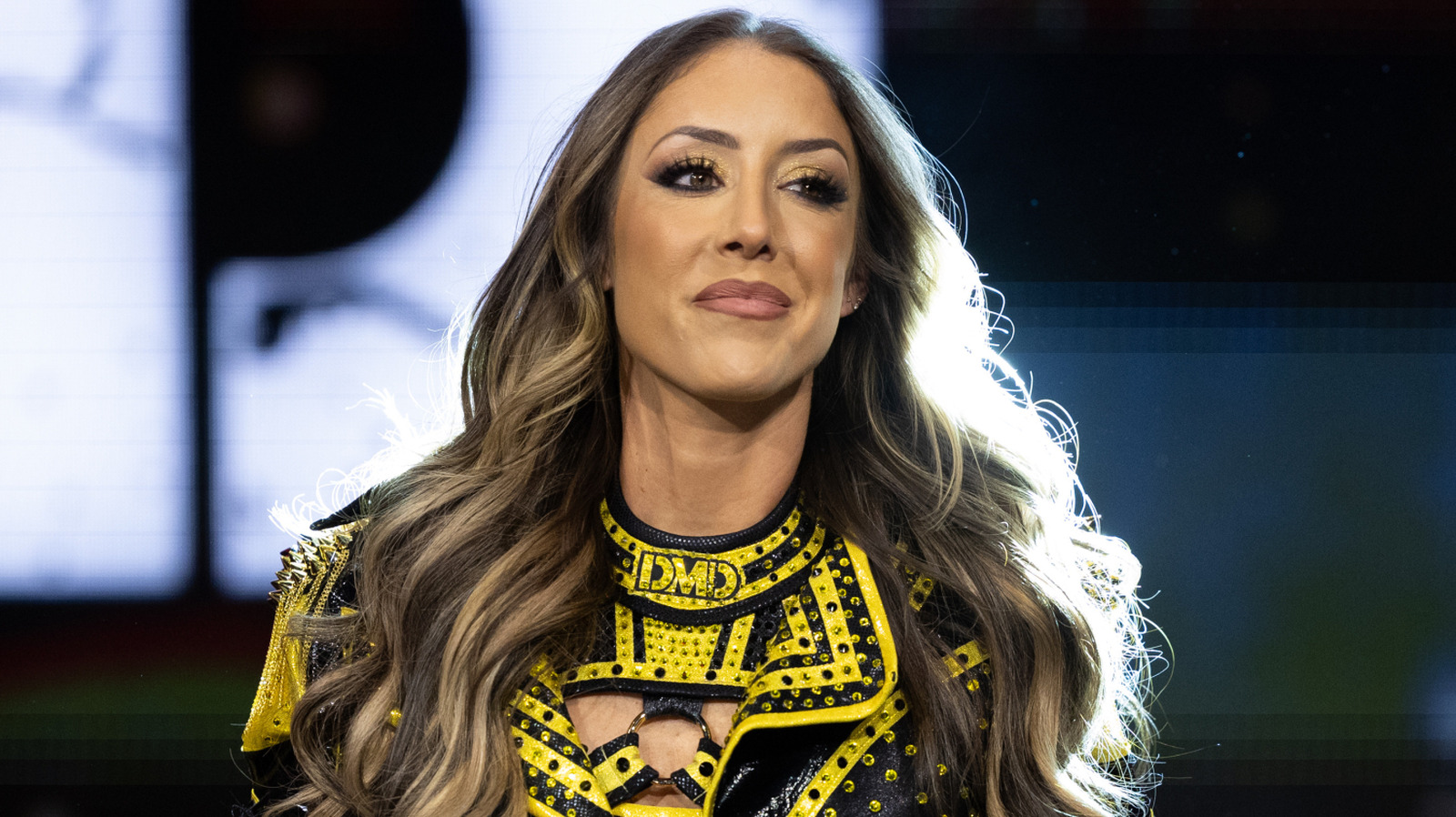
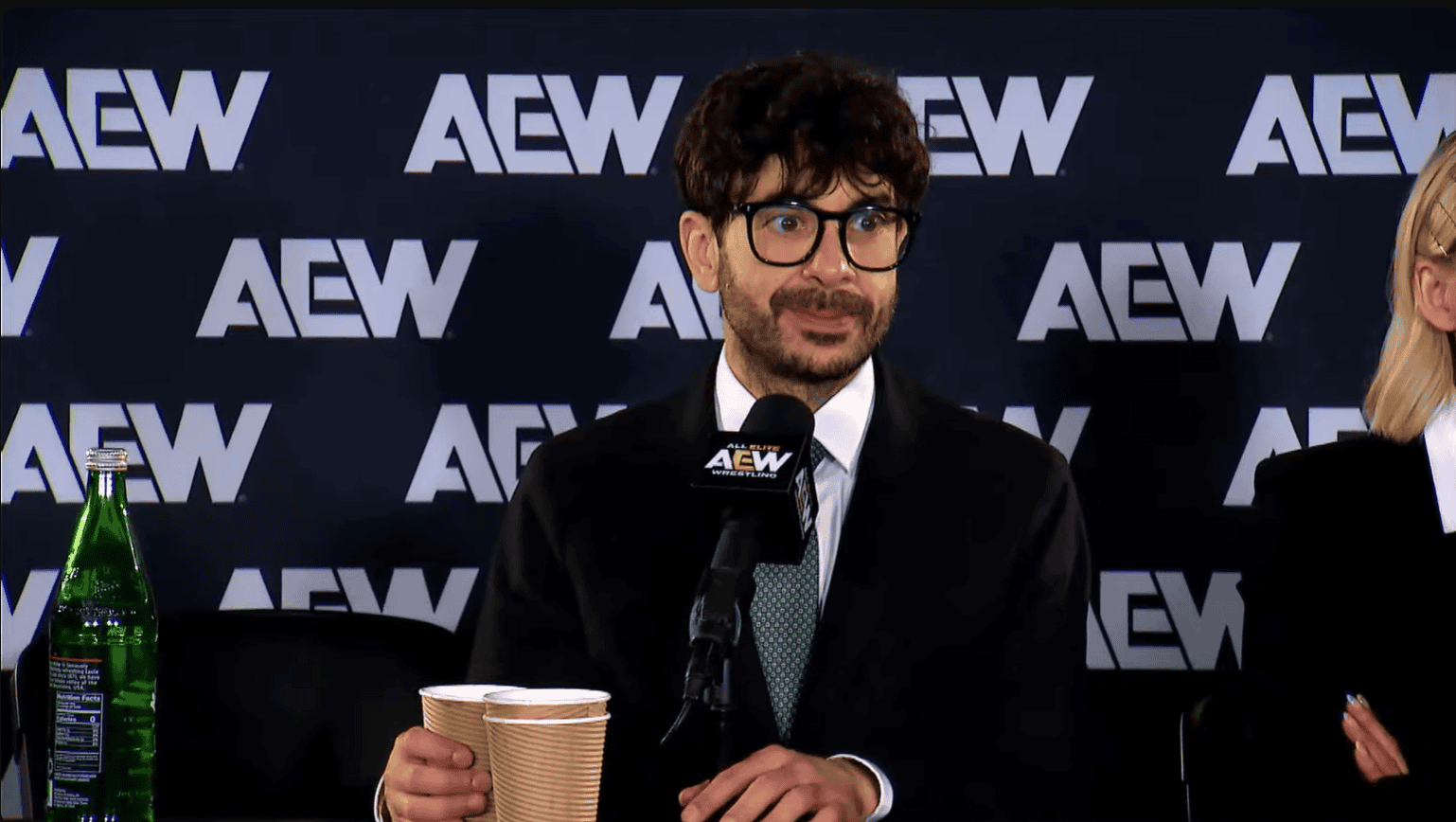
In the high-impact world of modern professional wrestling, a year is an eternity. For Britt Baker, that eternity is currently ticking away in silence. Despite being the face of the AEW women's division for years, Baker hasn't stepped into a ring in over 13 months, leaving a vacuum at the top of the card that even the biggest signings haven't quite filled. While fans have speculated on everything from nagging back issues to creative frustrations, AEW President Tony Khan finally broke the silence this week, though his update raised more questions than it answered.
As Wrestling Inc reported, Khan reiterated that Baker is still very much part of the roster. This kind of vague 'fitness for duty' update is exactly what drives the medical reporting community up the wall. We are talking about a former champion who specialized in the Lockjaw and a high-volume offensive style that took a massive toll on her neck and back. To be out for over 365 days without a concrete surgical update or a public rehab timeline suggests a recovery process that is either stalled or being kept under an unnecessarily tight lid.
The strategic implication here is massive. AEW has transitioned into the Mercedes Moné era, but the lack of a 'Doctor' to challenge the 'CEO' has left the division feeling top-heavy and occasionally aimless. From a fitness perspective, a 13-month layoff usually indicates either a catastrophic ligament tear or a chronic degenerative condition that requires a total lifestyle overhaul. If Baker does return for the 2026 summer season, she will be stepping into a much faster, more technical locker room than the one she left.
TNA clears the way for a Rebellion
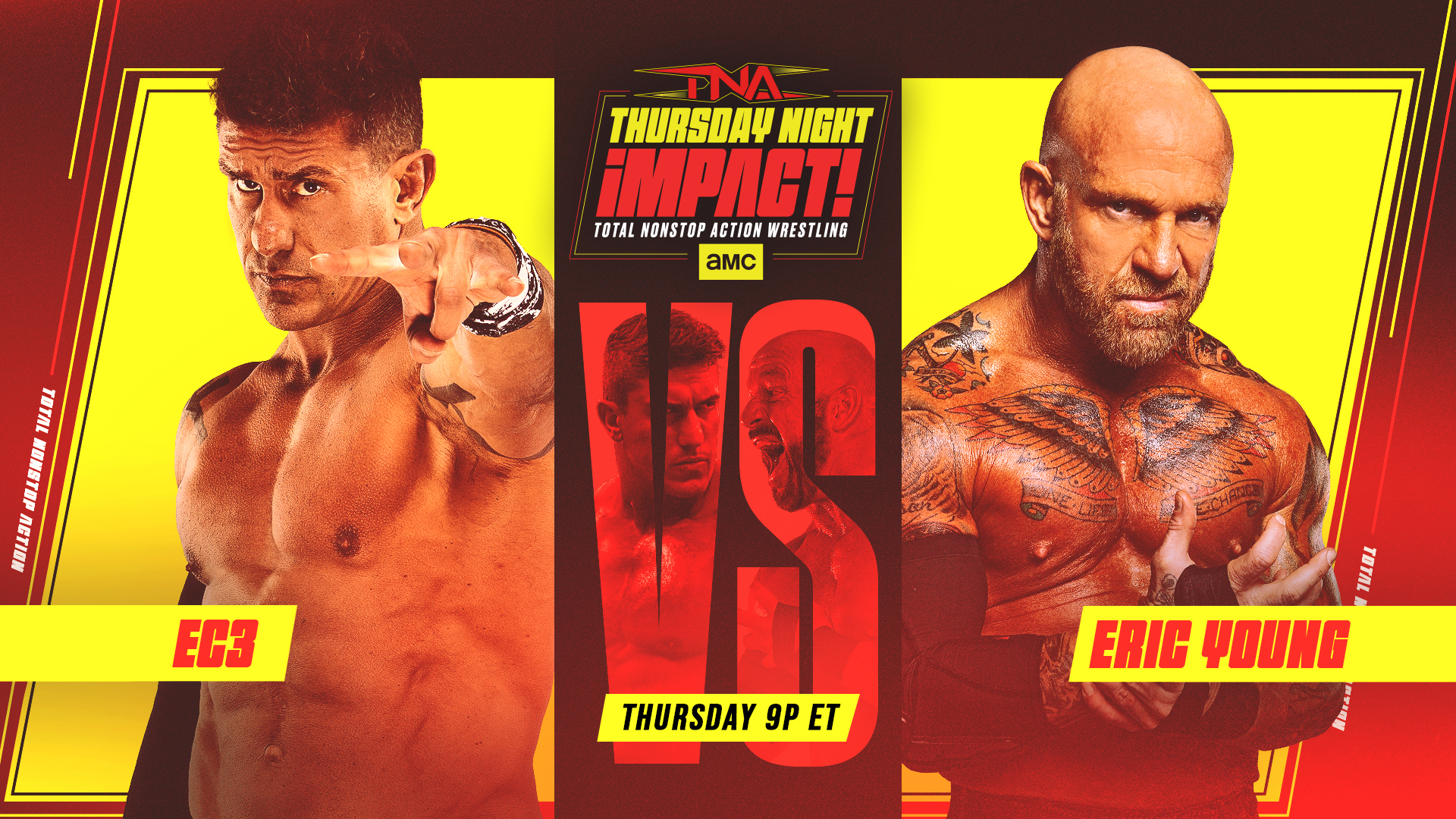
While AEW grapples with its long-term medical absences, TNA Wrestling is moving in the opposite direction. The promotion has officially confirmed that EC3 will be returning to action at their upcoming Rebellion event. This is a significant 'cleared for action' moment for a guy who has spent the last few years reinventing his physique and his character in the Control Your Narrative circles. EC3’s return isn't just a roster addition; it is a physical shot in the arm for a TNA main event scene that needs veteran stability.
According to F4WOnline, the return is locked in, suggesting that the former world champion has passed all internal protocols. In an era where head trauma and neck health are under the microscope, seeing a guy with EC3’s mileage get the green light for a major pay-per-view match is a win for the TNA medical staff. He brings a deliberate, power-based style that contrasts sharply with the high-flying risks taken by the younger X-Division talent. From a fitness standpoint, EC3 represents the 'old guard'—heavy lifting, meticulous recovery, and a focus on durability over flashy spots.
Historical context shows that TNA returns often serve as a litmus test for a performer's longevity. We saw similar trajectories with Eric Young and Josh Alexander, where a return from the shelf immediately led to a 25-minute main event workload. The pressure on EC3 to perform at Rebellion will be immense, especially with the industry watching to see if his 'essential' physical conditioning holds up under the bright lights of a televised special.
The mental and physical toll of the CEO's slump
Physical fitness is only half the battle; the mental game and 'match fitness' are where championships are actually won. Mercedes Moné is currently providing a masterclass in the dangers of the 'independent slump.' After dropping a string of titles across various promotions, questions are being asked about whether her schedule has finally caught up with her. Tony Khan addressed her status recently, noting that her return to a full-time AEW schedule is imminent, but the baggage of those losses is a heavy weight to carry back into the locker room.
As Ringside News noted, the CEO's recent run has been a dramatic departure from her dominant WWE days. Dropping titles on the indies isn't just a booking choice; it impacts a performer's perceived 'durability.' When you are losing matches in high-school gyms after being the most expensive signing in AEW history, the 'big fight' aura begins to decay. From a fitness reporter's view, we have to look at whether Moné is carrying a hidden injury that has forced her to work a safer, less effective style on the independent circuit.
"There is no place for that in wrestling or anywhere."
On the other side of the locker room, Ricochet is facing a different kind of fitness challenge: social media liability. Tony Khan confirmed he had a 'frank talk' with the high-flyer after a controversial tweet regarding Multiple Sclerosis. In modern wrestling, 'fitness' includes your ability to represent the brand without causing a PR wildfire. Ricochet’s style—a 630 senton into a transition into a standing shooting star press—requires absolute focus. If his mind is elsewhere, or if he is distracted by the fallout of a 'frank talk' with the boss, his safety in the ring becomes a genuine concern for his opponents.
Comparing rifts and the cost of greatness
Finally, we have to look at the physical tension building between Kazuchika Okada and Konosuke Takeshita. Khan has gone on record comparing their friction to the Kobe Bryant and Shaquille O’Neal rift of the early 2000s. While that makes for a great headline, the medical reality is more brutal. These are two of the hardest-hitting athletes in the world, and 'Kobe/Shaq' levels of tension usually manifest as stiff elbows and 'accidental' headbutts during a 15-minute televised match.
Takeshita is currently working a schedule that would break most men, often flying between Japan and the US with zero turnaround time. Okada, meanwhile, has adjusted his style to be more efficient, but he still carries the wear and tear of a decade of NJPW main events. When you put these two in a locker room together, the competitive 'alpha' energy can lead to performers pushing past their physical limits just to avoid being 'out-worked.' We've seen this before with the Four Pillars in All Japan; the desire to be the best eventually leads to a body that can no longer function at 100 percent capacity.
The lesson from this week's medical and fitness cycle is clear: transparency matters. Whether it's the unexplained absence of Britt Baker or the 'frank talks' with Ricochet, the health of a wrestling promotion is measured by more than just ticket sales. It is measured by the availability of its top stars and the honesty of its leadership regarding their status. As we head toward the quarter-finals and the road to WrestleMania 41, the physical toll on these athletes is only going to increase. A roster that isn't healthy—mentally or physically—is a roster that is one bad landing away from a total collapse.