The shadow of WrestleMania 41
WrestleMania 41 is exactly six days away. The entire industry is currently fixated on Las Vegas. Everyone is fantasy-booking the main event at Allegiant Stadium like they’re playing GM Mode on SmackDown vs. Raw 2006. You would think the news cycle right now would be entirely monopolized by the Endeavor hype machine pumping out press releases. But the most fascinating stories breaking this week have absolutely nothing to do with Triple H's grand corporate plans.
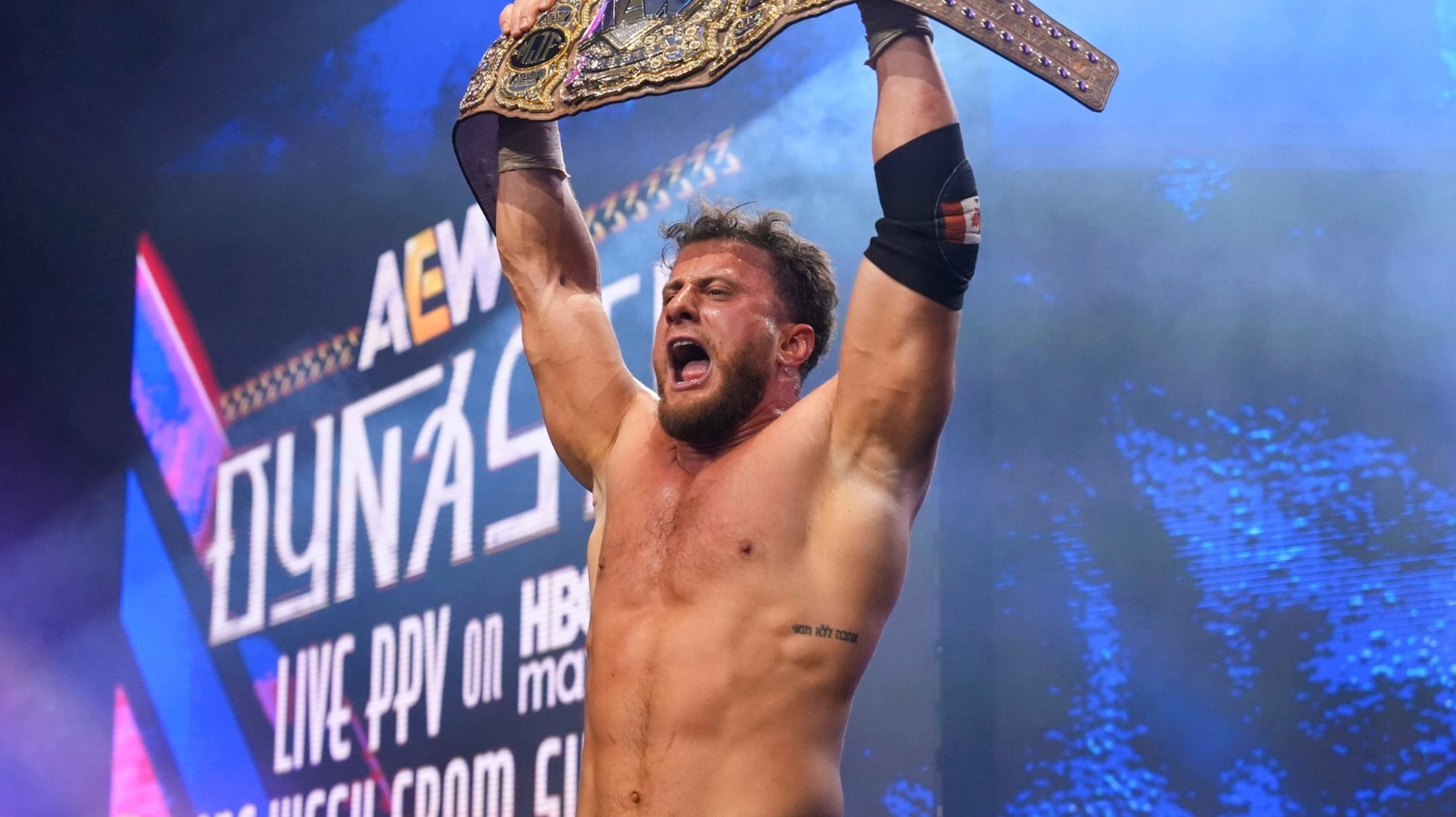
Instead, they center on the guys who looked at the biggest, shiniest monopoly on earth and sprinted in the opposite direction. AEW World Champion MJF and the returning TNA stalwart Ethan Carter III both opened up this week. Two massive personalities. Two completely different career trajectories. Both basically confirming that the corporate wrestling machine is a meat grinder wrapped in a television contract.
Their contrasting stories highlight exactly why betting on yourself outside of WWE is the biggest gamble a wrestler can take. Sometimes you become a generational millionaire holding a Burberry scarf. Sometimes you get mentally broken and almost quit the business entirely. There is zero middle ground.
The Mick Foley match that got away
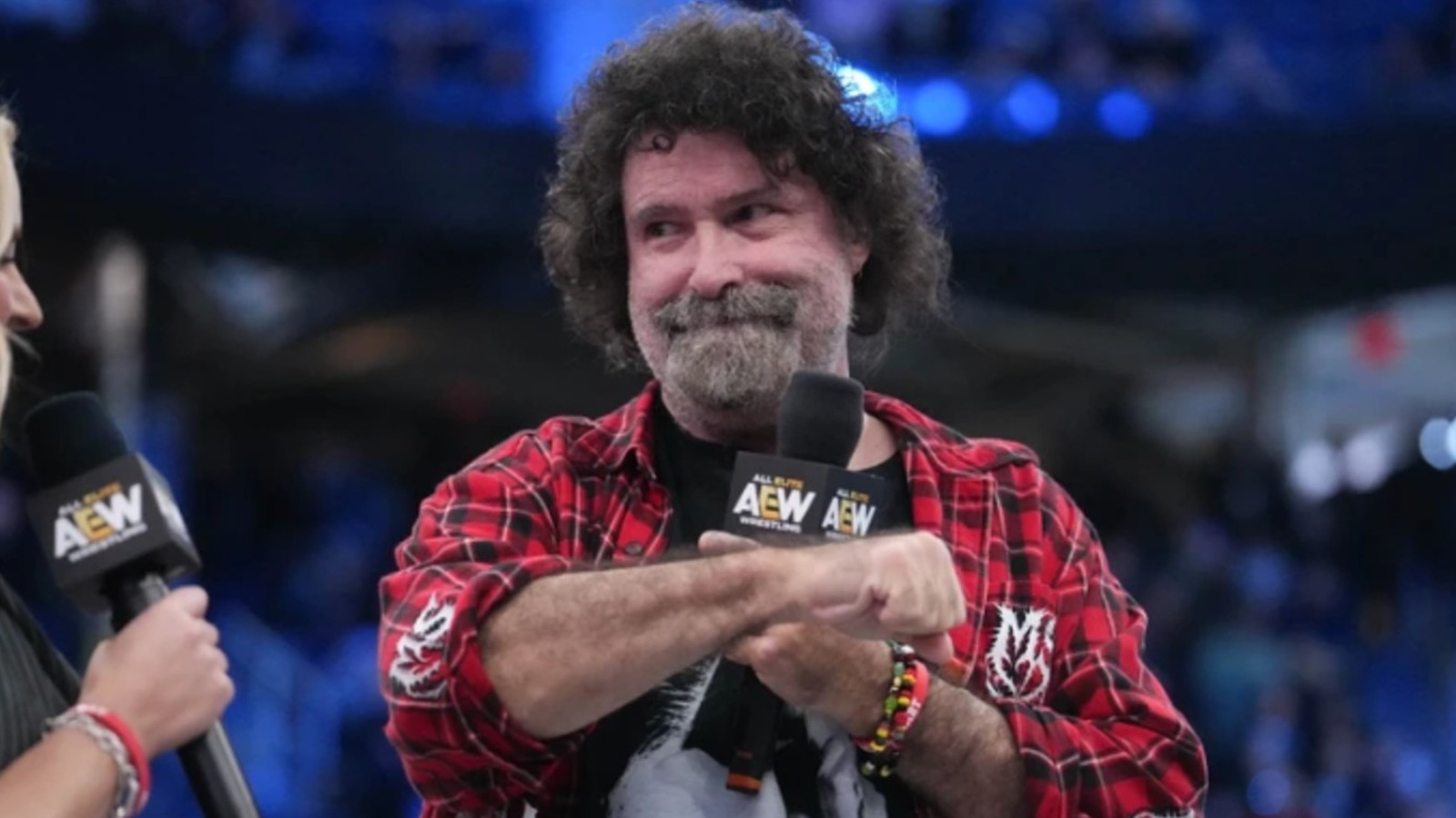
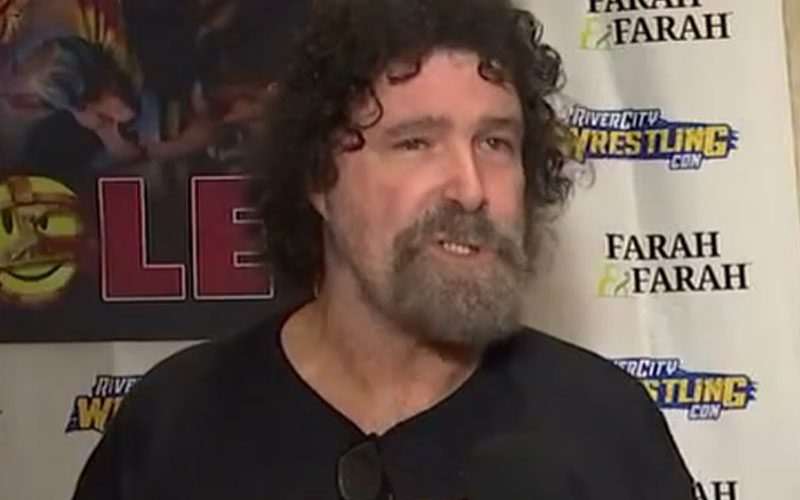
Let's start with MJF. The two-time AEW World Champion has been making headlines discussing a match that belongs in the ultimate sicko "What If" file. He recently described the dream match he was supposed to have with Mick Foley. This wasn't just pitched as a random Wednesday night television exhibition to pop a rating. This was reportedly positioned as Foley's actual, literal retirement match.
For years, fans have wondered if Foley had one more hardcore brawl left in his rapidly degrading knees. The man took bumps in the 90s that would put normal human beings in traction for a decade. The idea of him stepping into the ring with a young, arrogant heel like MJF is fascinating. MJF is a master of old-school, slow-burn psychology. Foley is the ultimate sympathetic babyface who bleeds buckets for the crowd.
You can almost see the layout of the match in your head. A slow, agonizing build. MJF relentlessly working over Foley's bad knee with surgical precision. Foley fighting from underneath while the crowd loses its collective mind over every single hope spot. Eventually, a violent crescendo involving thumbtacks, a barbed wire baseball bat, and probably a very illegal piledriver. We are talking about a guaranteed four-and-a-half star bloodbath. It writes itself.
According to MJF, that retirement match never came to fruition. We don't have the exact details on why it fell apart. Maybe it was medical clearance. Maybe the money wasn't right. Or maybe someone in Tony Khan's front office got cold feet about letting a heavily battered 60-year-old legend take bump after bump on an AEW pay-per-view.
Whatever the reason, it is a massive missed opportunity. That is my absolute biggest critique of Tony Khan's booking over the last two years. They frequently stumble when it comes to maximizing the value of legends. Sting's retirement at Revolution was handled beautifully, culminating in that insane tag match. But how many other veterans have been brought in, given a lukewarm two-week feud, and then relegated to television matches on Rampage with absolutely zero stakes? Missing out on the Foley match is a prime example of AEW failing to capitalize on a massive mainstream hook. They had the chance to draw eyeballs with one of the most beloved figures in wrestling history, and they blew it. Typical.
The choice to stay away from the machine
The Foley revelation isn't the only thing MJF has been discussing. He also shed light on his decision-making process regarding his contract status. For a long time, the mythical "Bidding War of 2024" was his primary on-screen talking point. He constantly threatened to take his ball and go to WWE, milking the marks for every ounce of heat. Now, we have confirmation that the interest was completely mutual.
MJF confirmed he had an offer to join WWE around the time AEW started. Let that sink in. He decided to try his chances somewhere that aligned with his own vision. That is a massive admission. It strips away the kayfabe and gives us a raw look at the actual businessman behind the scarf.
Think about what WWE was offering at the time. Generational financial security. A global platform. The chance to perform at a future WrestleMania. Walking away from that requires an insane, almost pathological amount of self-belief. MJF looked at the WWE main roster. He looked at how guys of his size and style were being booked by Vince McMahon at the time. He probably saw guys cutting promos written by failed Hollywood sitcom writers and threw up in his mouth.
He opted for the unknown startup in Jacksonville. He bet that he could become a bigger star by having creative freedom in AEW than by reading incredibly stiff, scripted promos in WWE. He wanted to call his own matches in the ring. He wanted to drop pipebombs without someone screaming in his ear through a headset. He was right to trust his gut. He is now a two-time world champion and the undisputed face of his company.
But his path is the exception, not the rule. For every MJF who thrives by charting his own independent course, there are dozens of wrestlers who get chewed up and spat out by the system. Which brings us to the tragedy of EC3.
Rock bottom and the TNA Rebellion return
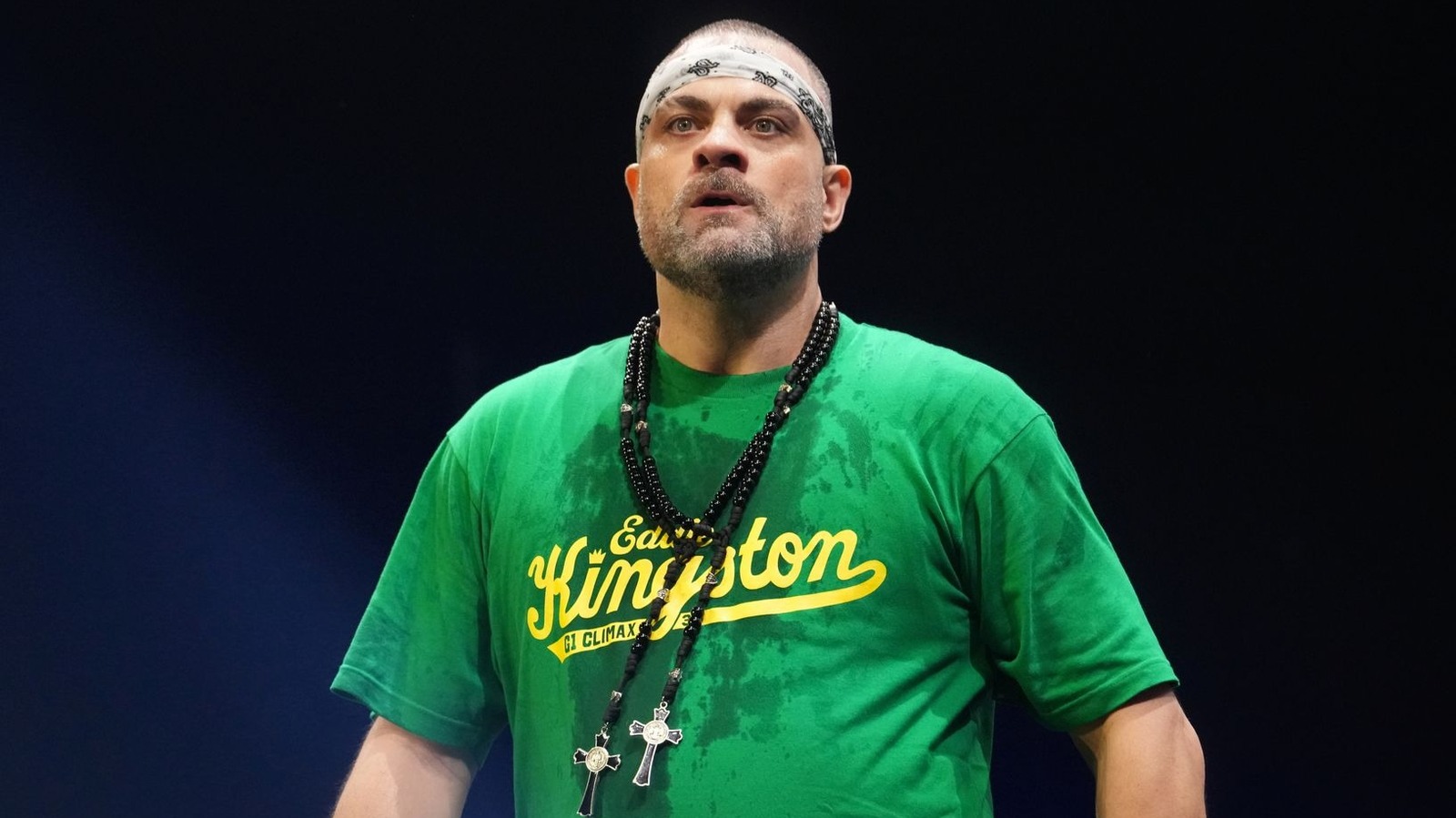
While MJF was building his empire in AEW, Ethan Carter III was living out a literal nightmare. EC3 recently opened up about one of the lowest points in his entire career. The aftermath of his WWE release was so brutally depressing that he seriously considered quitting wrestling entirely.
If you followed EC3's career, this is heartbreaking. He was absolute money during his initial TNA run alongside Dixie Carter. He had the look, the promo skills, and the arrogant character work to be a top guy anywhere on the planet. He rattled off an undefeated streak that lasted over two years, beating guys like Sting and Kurt Angle. When WWE signed him to NXT, it felt like the easiest slam dunk in booking history.
Instead, they called him up to the main roster and literally refused to let him speak. I am not joking. They took a guy whose greatest asset was his mouth and turned him into a mute, smiling bodybuilder. He was left standing in the background of backstage segments holding a red solo cup like a glorified extra in an American Pie sequel. He never got a proper feud. He never got a microphone. It was baffling, intentionally destructive booking. It destroyed his momentum overnight and turned a surefire main eventer into a punchline.
By the time he was released, his confidence was completely shot. The independent scene can be a harsh, unforgiving place for a guy who has been tainted by a bad WWE run. You have to rebuild your entire identity from scratch. You go from wrestling in sold-out arenas with full catering to working in front of 400 people in a muggy high school gym. It is exhausting, demoralizing work.
That is why his recent resurgence is so damn compelling. Tonight at the Wolstein Center in Cleveland, the former TNA World Champion officially returned at TNA Rebellion. The pay-per-view featured four championship defenses, including Trey Miguel taking on Mustafa Ali for the TNA International Championship. But EC3's appearance was the undeniable emotional core of the show.
It is a pure redemption story. He survived the WWE meat grinder. He pushed through the urge to throw his boots in the trash. Now he is back in the promotion where he initially made his name. He didn't just survive; he rebuilt himself brick by brick.
The developmental distraction
Before we wrap up, I want to touch on a smaller story that highlights the bizarre nature of WWE developmental. While guys like MJF and EC3 are out there fighting for their creative lives, NXT continues to operate in its own weird little vacuum.
NXT North American Champion Myles Borne recently detailed the origin story of his personal relationship with Stephanie Vaquer. It is a nice human interest story. But it also highlights the stark contrast between the gritty, desperate reality of the indies and the polished, almost collegiate atmosphere of the Performance Center.
Borne is a talented kid. Vaquer is a phenomenal worker with incredible upside. But they are operating in a completely different reality than the veterans scrapping for television time on the outside. They don't have to worry about booking their own flights to random towns in the midwest. They don't have to worry about their independent promotion bouncing checks after a poorly attended show. They just have to show up, hit their spots, hit the weight room, and hope they don't get handed a terrible dancing gimmick when they get called up to SmackDown.
It is a perfectly safe environment. But as EC3 proved, that safety is a total illusion the moment you leave Orlando. One day you are the top prospect in NXT, riding high. The next day you are standing mute on Monday Night Raw, wondering where it all went so terribly wrong.
The brutal lesson for the next generation
What is the takeaway from all this chaos? If you are an up-and-coming independent wrestler in 2026, who do you actually model your career after?
Do you follow MJF? Do you demand creative control, refuse to compromise your vision, and take your chances with Tony Khan? It is a wildly high-risk strategy. If you fail in AEW, you don't have the WWE promotional machine to fall back on. You just become another guy doing endless superkicks on a blurry YouTube stream.
Do you follow the traditional path? Do you sign with NXT, learn the sterile WWE style, and hope you survive the main roster call-up? EC3 is the terrifying cautionary tale there. You can do absolutely everything right. You can have the perfect physique. You can cut a brilliant promo. And management can still decide you are nothing more than a guy who flexes in the background.
There is no right answer. The wrestling business is inherently chaotic, petty, and cruel. The guys who make it to the top aren't just the most talented workers. They are the ones who can navigate the backstage politics, read the shifting winds of the industry, and protect their characters at all costs.
MJF protected his character by staying the hell away from WWE. EC3 lost his character in WWE and had to fight like a dog to get it back in TNA. As we head into WrestleMania week, it is worth remembering that the most compelling dramas in wrestling don't always happen in the ring. Sometimes, they happen in contract negotiations, in backstage hallways, and in the quiet, desperate moments when a wrestler has to decide if this brutal business is actually still worth the pain.
Read Next
- Top 10: The Definitive AEW and WWE Moments of Recent Months
- EC3 and AEW: Why the NWA champion fits their current talent crisis
- Darby Allin is tired of the four pillars narrative
- Kevin Owens and Dominik Mysterio lead a crowded WrestleMania 41 injury list
- ⚡ AEW Dynasty 2026 — Full Coverage Hub
- 🎲 AEW Double or Nothing 2026 — Full Coverage Hub