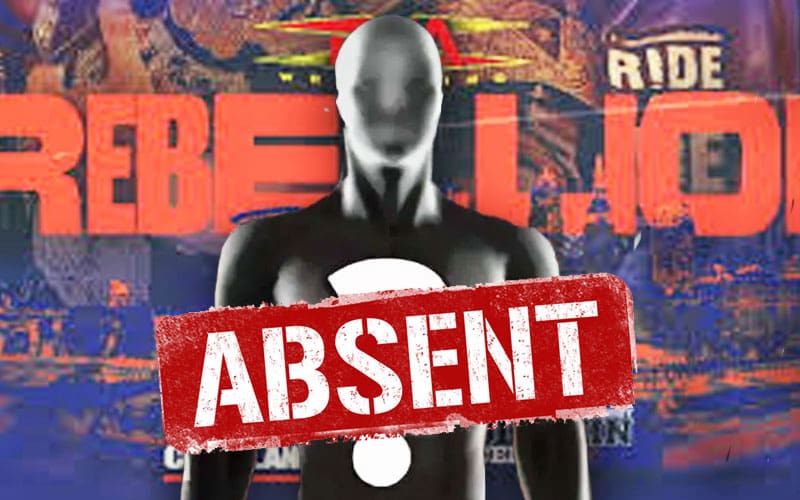
Rebellion roster adjustments forced by medical necessity
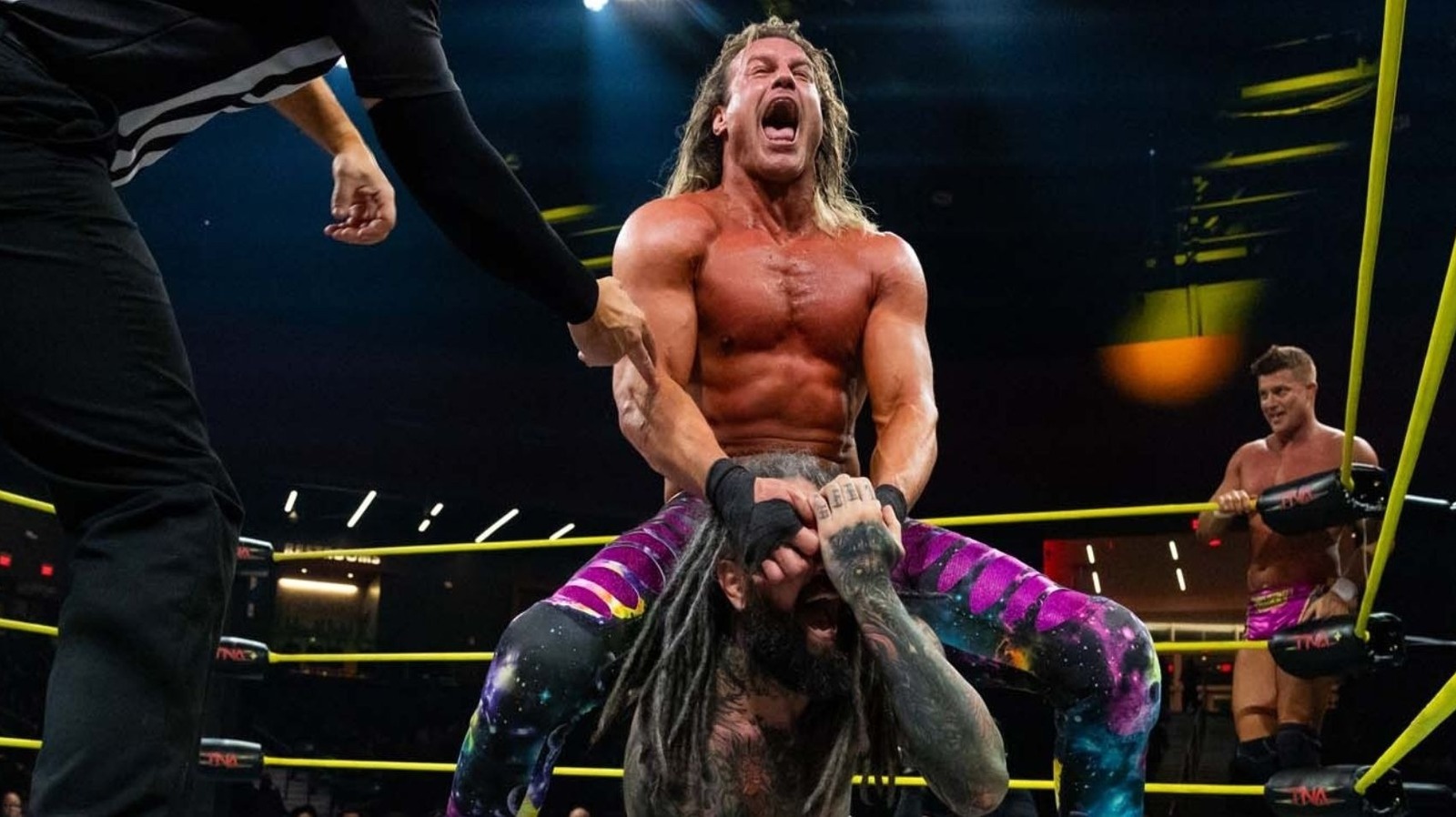
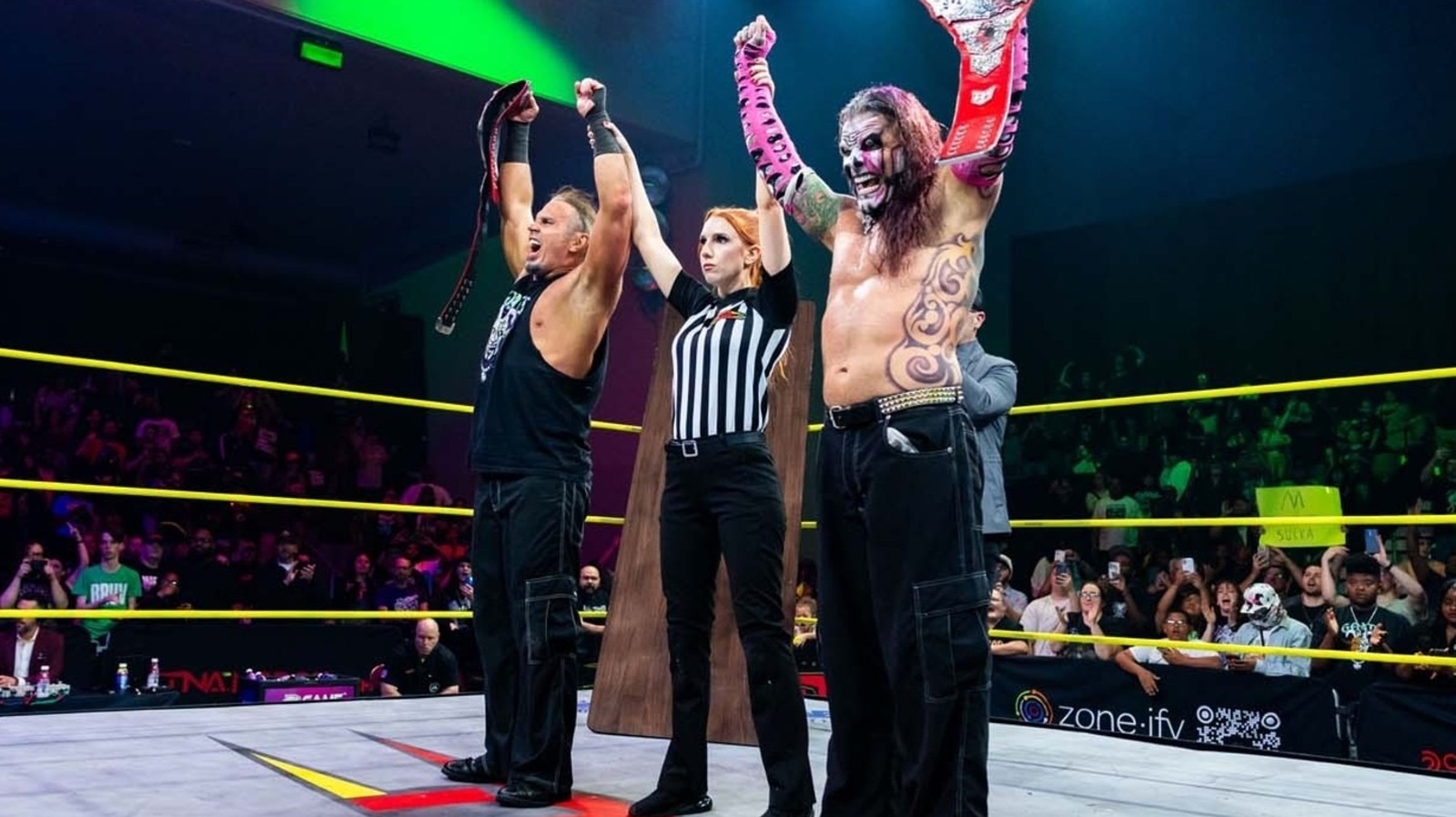
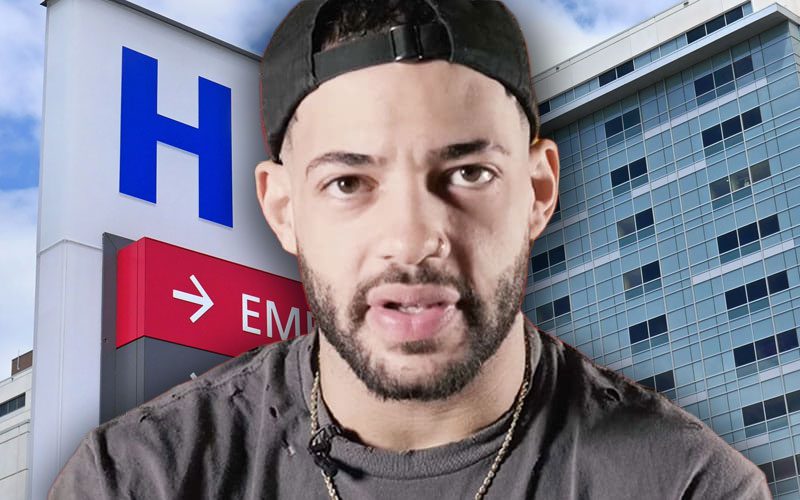
TNA Rebellion is officially down a major contributor. The upcoming premium live event, scheduled for later this spring, will proceed without the services of a key on-air figure who confirmed he recently underwent surgery. This development creates an immediate gap in the card, leaving creative teams scrambling to adjust plans developed over the last several months.
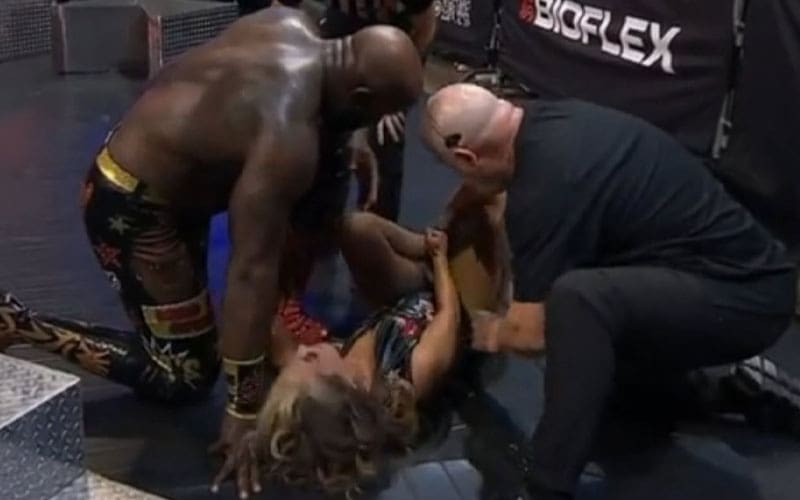
The individual, who has been instrumental in the promotion's recent televised output, updated fans on his physical status earlier this week. The procedure was not elective; it was deemed necessary to address a nagging issue that had become untenable. By opting for the operating table now, the talent avoids a catastrophic mid-match failure, though the move inevitably kills the momentum of an ongoing program.
The strategic burden on the Rebellion card
Losing a headline performer just ahead of a marquee event like Rebellion is a logistical nightmare for TNA leadership. This card was designed to capitalize on post-WrestleMania attention, setting up high-stakes feuds to carry through the summer. With the injury report now confirmed, the company must decide whether to pivot to a replacement opponent or nix the segment entirely.
Historical precedents in professional wrestling suggest that last-minute injury shifts often result in rushed booking decisions. We have seen instances where secondary storylines are forced into main-event slots to cover a hole left by an injured headliner. While this provides an opportunity for mid-card talent to step up, it rarely provides the same draw as the original, carefully crafted rivalry.
Evaluating the recovery timeline
While the specific nature of the surgery remains guarded by medical privacy, the recovery window for wrestling-related orthopedic and soft-tissue procedures is rigorous. For athletes operating on a weekly touring schedule, return-to-ring clearance requires a series of physical therapy benchmarks. A rushed return in professional wrestling is a recurring management flaw; too often, stars appear on camera barely mobile, which kills the believability of their in-ring work.
As Ringside News reports, the internal expectation is a multi-week absence. This means missing Rebellion is a certainty, with his immediate future tied to rehabilitation progress rather than current creative direction. The real pressure will fall on the backstage agents to keep the narrative urgency alive while their lead actor remains on the shelf.
Broader industry impact and missing pieces
This situation highlights the fragility of current wrestling lineups in 2026. With Wrestlemania 41 taking place on April 19th and April 20th, the industry is in a high-intensity cycle. Smaller promotions like TNA often suffer when talent attrition overlaps with major industry events, as they lose the narrative oxygen required to compete for viewer attention.
The skepticism regarding TNA's ability to fill this void is warranted. Promoting a stadium or premium event without your most reliable utility player is a hard sell. Whether the booking team leans into a surprise debut or a sudden turn to fill the time, the audience will be looking for a high-quality substitute to mitigate the disappointment of the missing match.
Moving forward, the focus shifts to the post-Rebellion fallout. If the recovery extends beyond the initial six-week estimate, TNA faces the prospect of navigating a major transition phase without a foundational character. Wrestling history is littered with momentum shifts that occurred precisely because a top-tier performer couldn't physically sustain the grind of the schedule. Talent safety must always supersede the event calendar, even if that means a lesser product in the short term.