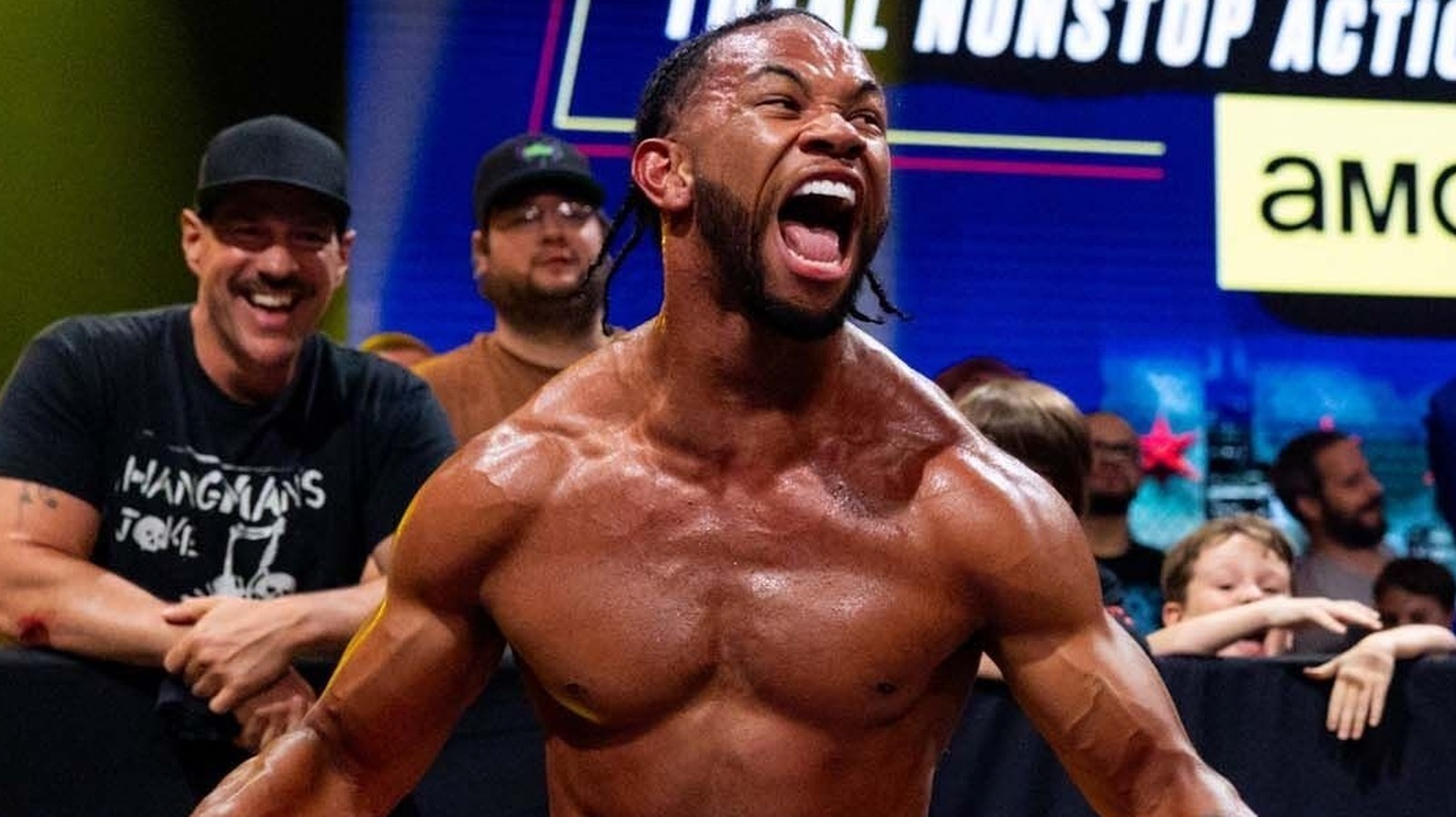
TNA is burying the lede by hiding their best matches
TNA misses the mark on main event placement
As the FIFA World Cup 2026 kicks off, the sports world is rightfully paralyzed by the spectacle in Mexico City. While the global media focuses on international football, wrestling fans are left scrutinizing TNA Impact's booking strategy. The decision to anchor tonight's broadcast with its specific main event reveal is, at best, a head-scratcher.
The gap between card depth and spotlight
Booking a show requires an understanding of momentum. If you bury your high-octane talent under a mountain of segment-heavy filler before the final bell, the audience tunes out long before the 10:00 PM mark. We have seen this cycle repeat across the industry, where mid-card work-rate geniuses are sidelined in favor of repetitive promo battles that do little to advance long-term narratives.
The current state of professional wrestling booking often feels disconnected from what happens between the ropes. Much like the Midlands decay at Molineux, TNA suffers from an identity crisis that manifests in odd timing. You cannot expect a casual viewer to stick around for a three-hour broadcast when the most compelling tactical wrestling happens in the first hour.
Technical execution vs. production philosophy
A match needs stakes. It needs a clear narrative reason to be the headline. When the main event is treated as an afterthought or a late-addition slot, the viewer feels the lack of effort. We look for the technical nuances—the footwork during a strike exchange, the way a wrestler cuts the ring in half, or the precise timing of a tag-team save. When these are relegated to the middle of the card, the main event loses its gravity.
The industry is obsessed with the spectacle of the finish rather than the logic of the buildup. It is entirely possible to have a masterclass in ring psychology ruined by a 4:1 odds disadvantage in the production layout. If the viewers do not understand why the final match matters, the finish—no matter how crisp the sequence—rings hollow.
Looking at the patterns
The current tactical shift in the professional wrestling landscape is moving toward shorter, faster matches, yet management still clings to the 20-minute main event slot like it is 1998. It is a rigid dogma, not unlike Thomas Tuchel's approach to the England camp, where the structure is enforced at the expense of the actual talent performing on the field. The result is a product that feels synthetic rather than organic.
We crave consistency. We want the best workers in the best spots. Until management stops overthinking the order of the show and starts listening to the rhythm of the performers, we are going to see more of this disconnect. The talent is there, the technique is sharp, and the history is rich. Stop hiding it behind flawed scheduling.
Hooked: How WWE's Record-Breaking Year is Changing the Wrestling Industry
A deep dive into the modern era of professional wrestling business and culture.
Frequently Asked Questions
Why does TNA Impact struggle with viewer engagement?
What is the primary criticism of TNA's current booking strategy?
How does match placement affect the perception of professional wrestling?
What production philosophy is impacting TNA's main event matches?
What do viewers want to see change in TNA's event scheduling?
More Coverage
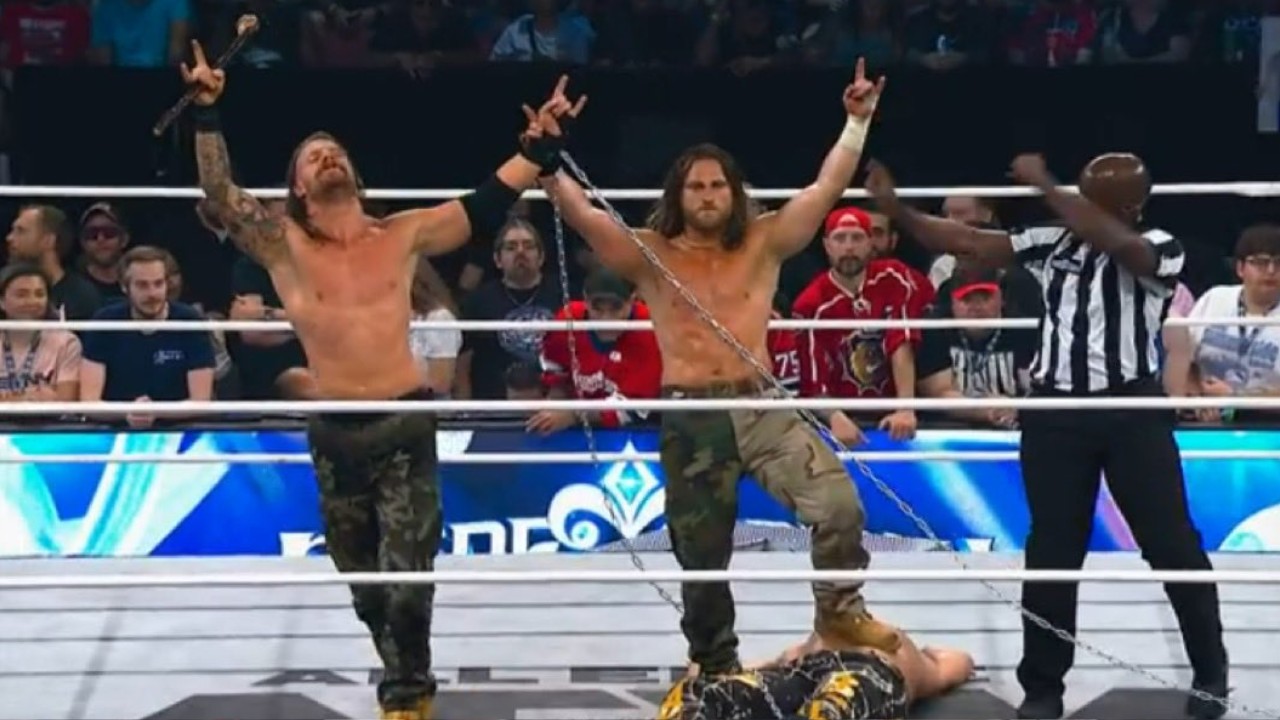
The AEW Redemption finish proves booking is hitting a wall
an hour ago
Top 10: Wrestling Moments of 2026
an hour ago
The math behind wrestling's revolving door of talent
2 hours ago
The math behind roster churn and the myth of the perfect return
2 hours agoEric Bischoff and Vince McMahon was the weirdest odd couple in wrestling history
4 hours ago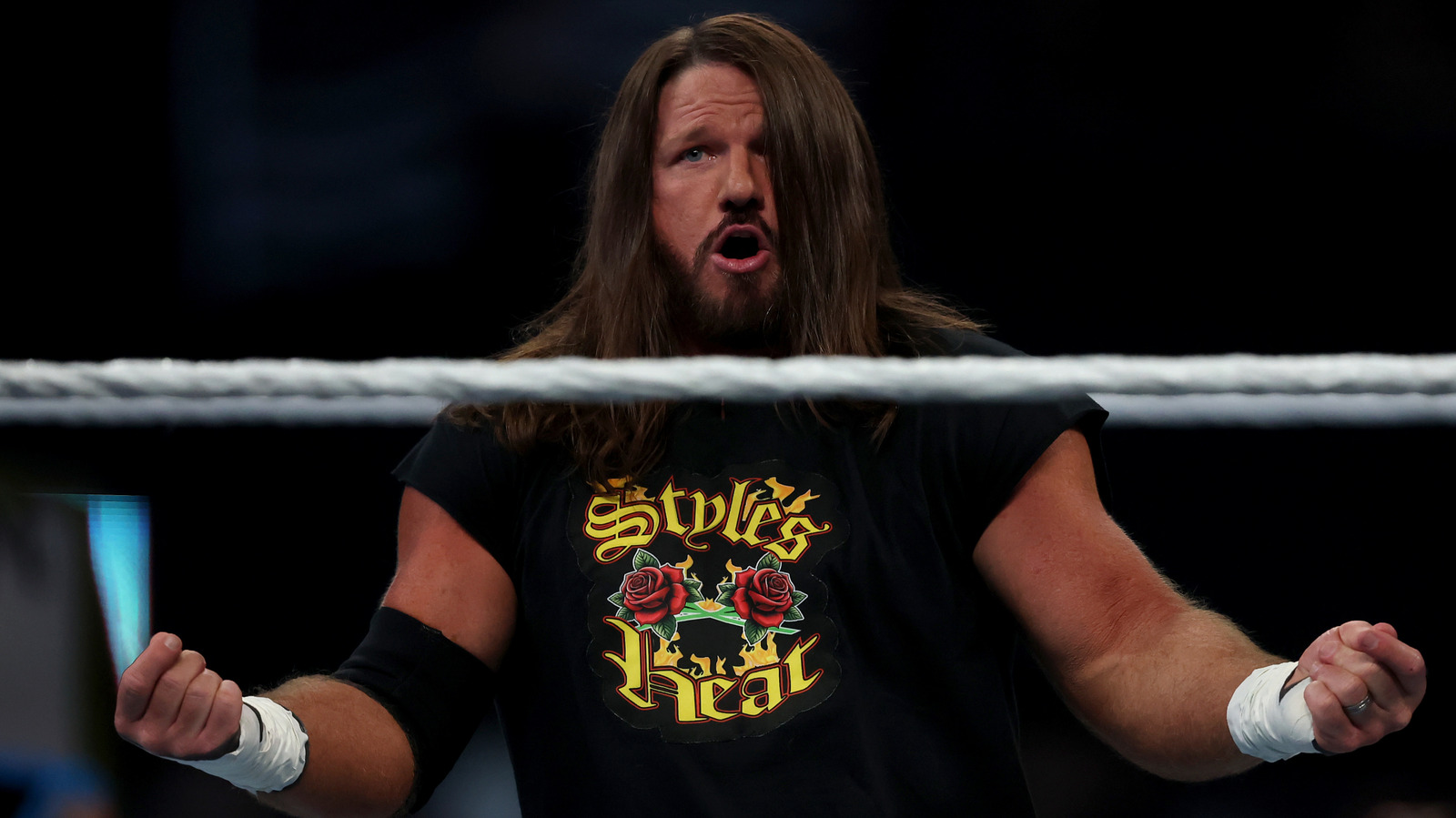
AJ Styles knew TNA's Ric Flair experiment was doomed from day one
4 hours agoMore Analysis
TNA is playing a dangerous game with its current booking momentum
3 months, 3 weeks agoTNA Impact needs more than a hot opener to stabilize their trajectory
1 month, 3 weeks agoTNA is spinning its wheels while everyone else is racing
1 week, 2 days ago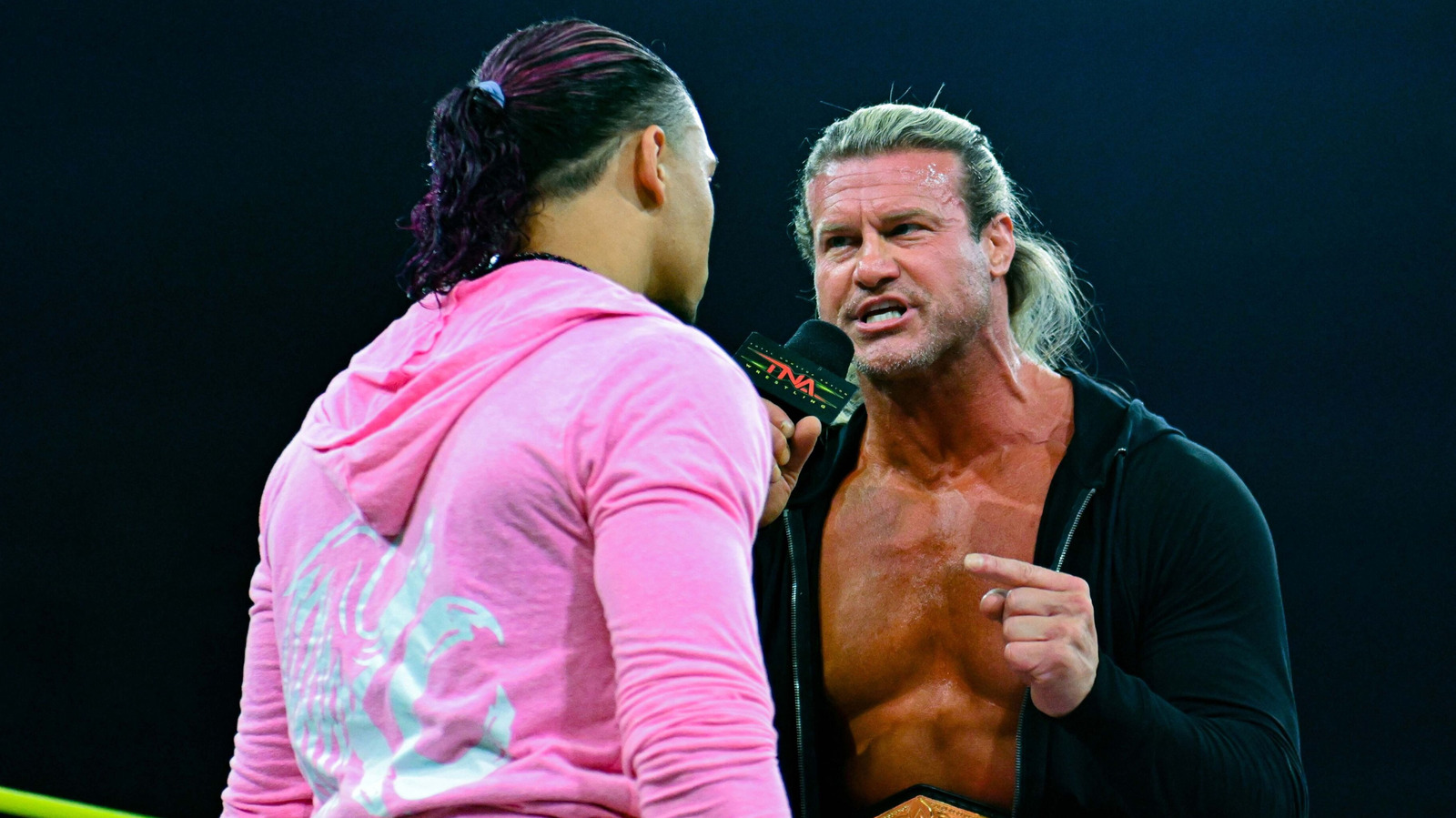
TNA is playing a dangerous game with its thinning roster
1 week, 2 days agoTNA is spinning in circles while the fans wait for a real main event
6 days, 10 hours ago