The night Fortune lost its direction
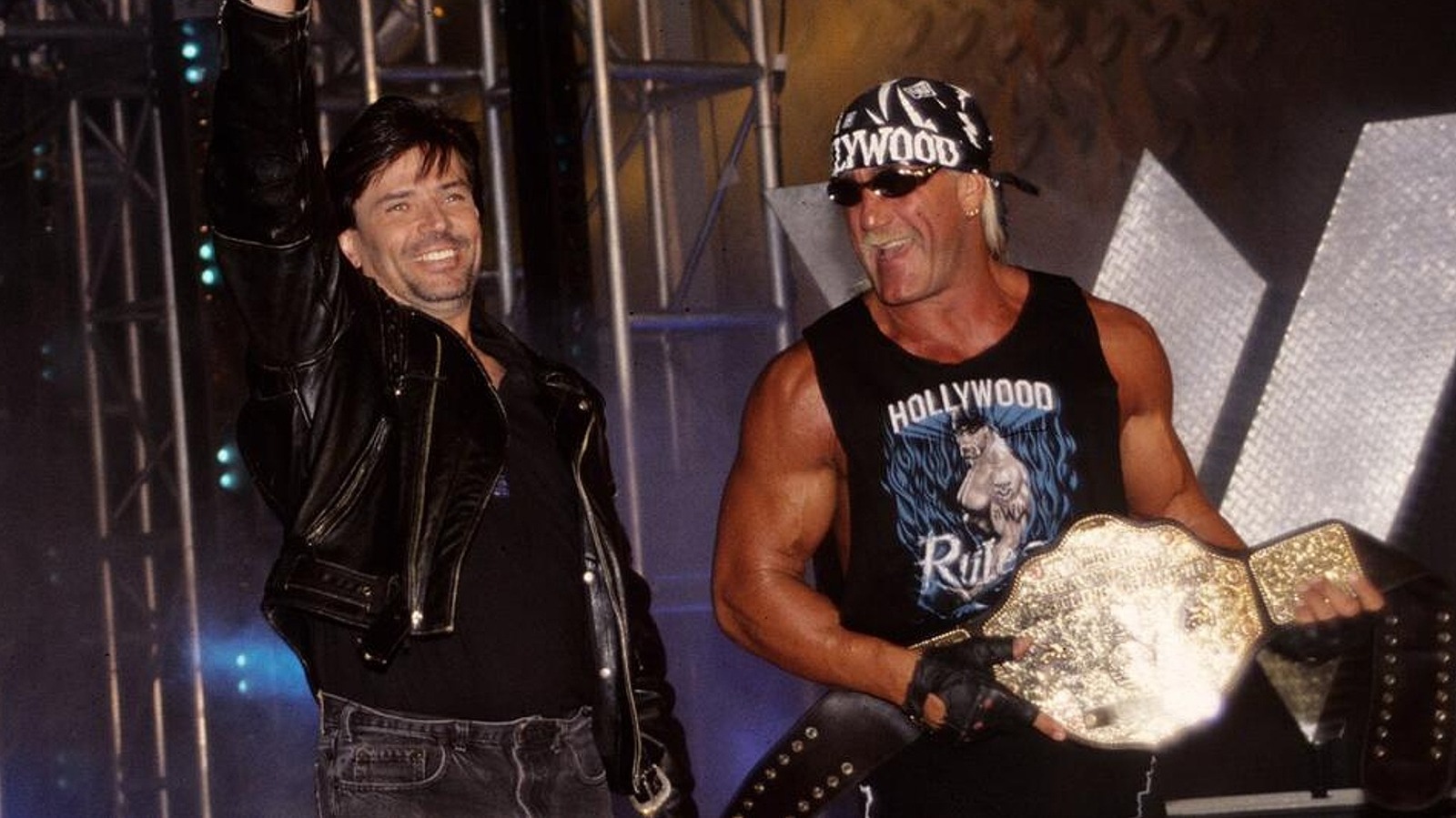
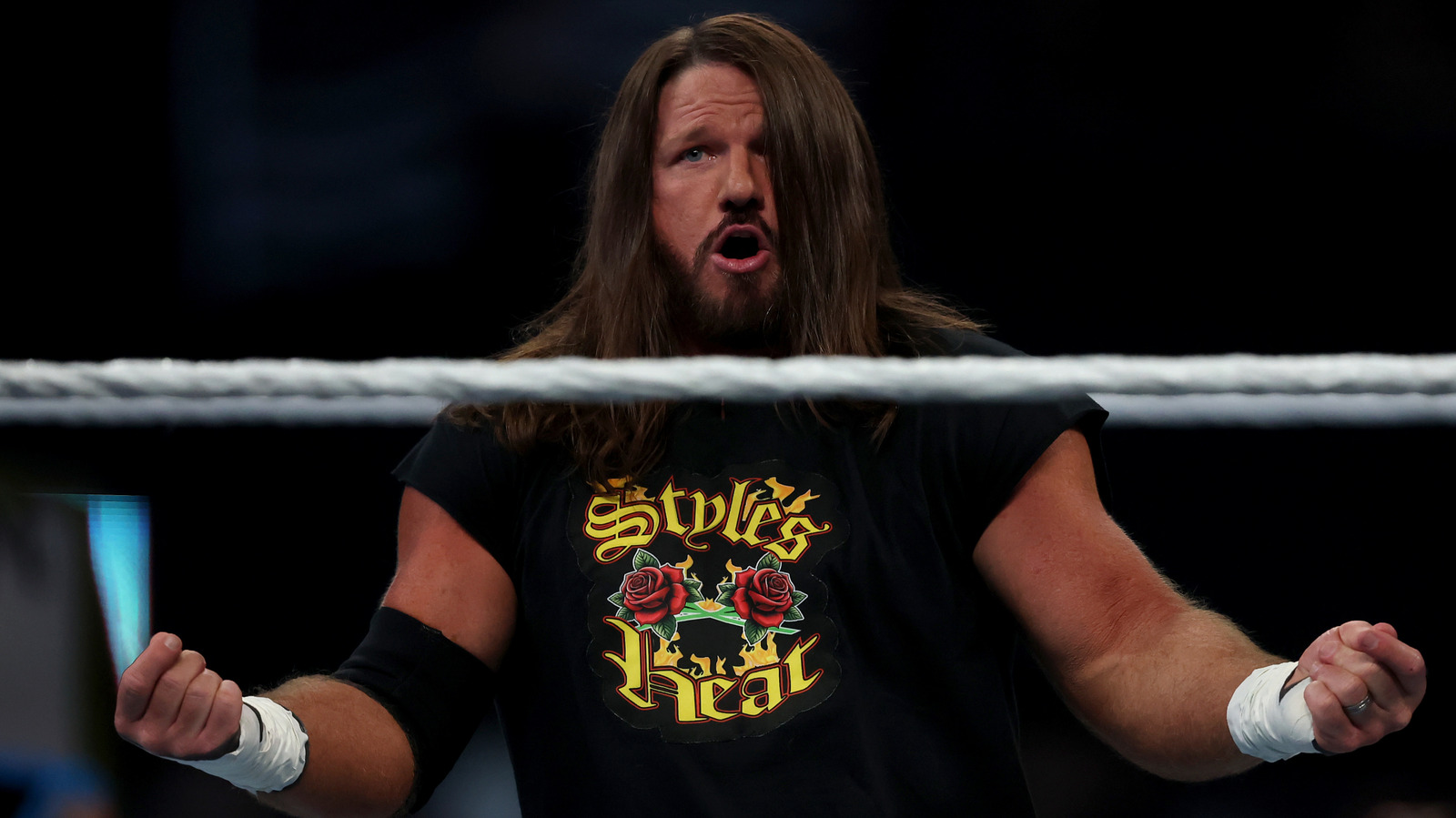
When Eric Bischoff and Hulk Hogan rolled into TNA in early 2010, the mandate was simple: bring altitude to a company that was consistently hovering around a 1.0 cable rating. Instead of elevating homegrown talent like AJ Styles, the new regime immediately attempted to mold the Phenomenal One into a modern derivative of Ric Flair. The robe, the strut, the Four Horsemen retread known as Fortune—it was a blueprint built on nostalgia rather than technical execution.
Styles recently revisited those frustations, opening up about turning down pitches during that era, including dynamic friction involving Flair and Rob Van Dam. When creative asked Styles to fully absorb Flair's mannerisms and hand over his established identity, Styles pushed back. It was the right call. The numbers from that 2010-2011 period back him up completely: TNA's viewership peaked not when Styles was playing a mini-Nature Boy, but when he was allowed to work 20-minute workrate clinics against Christopher Daniels and Samoa Joe.
Creative friction and the RVD clash
The arrival of Rob Van Dam added another layer of conflict to the main event scene. RVD walked straight into the TNA World Heavyweight Championship within weeks of his debut, defeating Styles on Impact in April 2010. For Styles, who had spent eight years laying the brickwork for the promotion, the sudden shift toward ex-WWE and ECW headliners felt like a lateral move for a company that promised an alternative product.
The pushback from Styles against Bischoff's booking pitches wasn't just ego; it was tactical survival. Pushing a 32-year-old athlete in his physical prime to act like a 60-year-old manager destroyed the high-flying, crisp sequence style that made the X-Division famous. In matches where Styles reverted to his organic offense—like his Springboard 450 Splash and Stylin' DDT—crowd engagement metrics and live gate reactions spiked significantly compared to segments dominated by long-winded promos from the older legends.
The long-term takeaway for modern booking
Looking back at how Styles navigated his final years in TNA before his eventual NJPW and WWE runs proves a crucial point about main event longevity. Talent who protect their core brand survive bad creative cycles. Styles refused to let legacy acts subvert his ring identity, which kept his value high enough to main-event Tokyo Dome shows just a few years later.
Promotions today face the exact same trap when relying on veteran star power over prime workrate talent. The data from Styles' TNA run serves as a warning: forcing a generational worker into someone else's gimmick always degrades the product, and betting on the performer's actual instincts is the only sustainable play.