The Breaking Point in Las Vegas
Kevin Nash has never been known for biting his tongue, but his latest comments regarding WWE’s internal operations have reached a new level of vitriol. Following the festivities in Las Vegas for WrestleMania 41, the two-time Hall of Famer is making it clear that the shine has completely worn off the company’s treatment of its legendary performers. Nash isn't just complaining about a bad seat or a cold steak; he’s framing the entire experience as a systemic failure of respect for the people who built the industry.
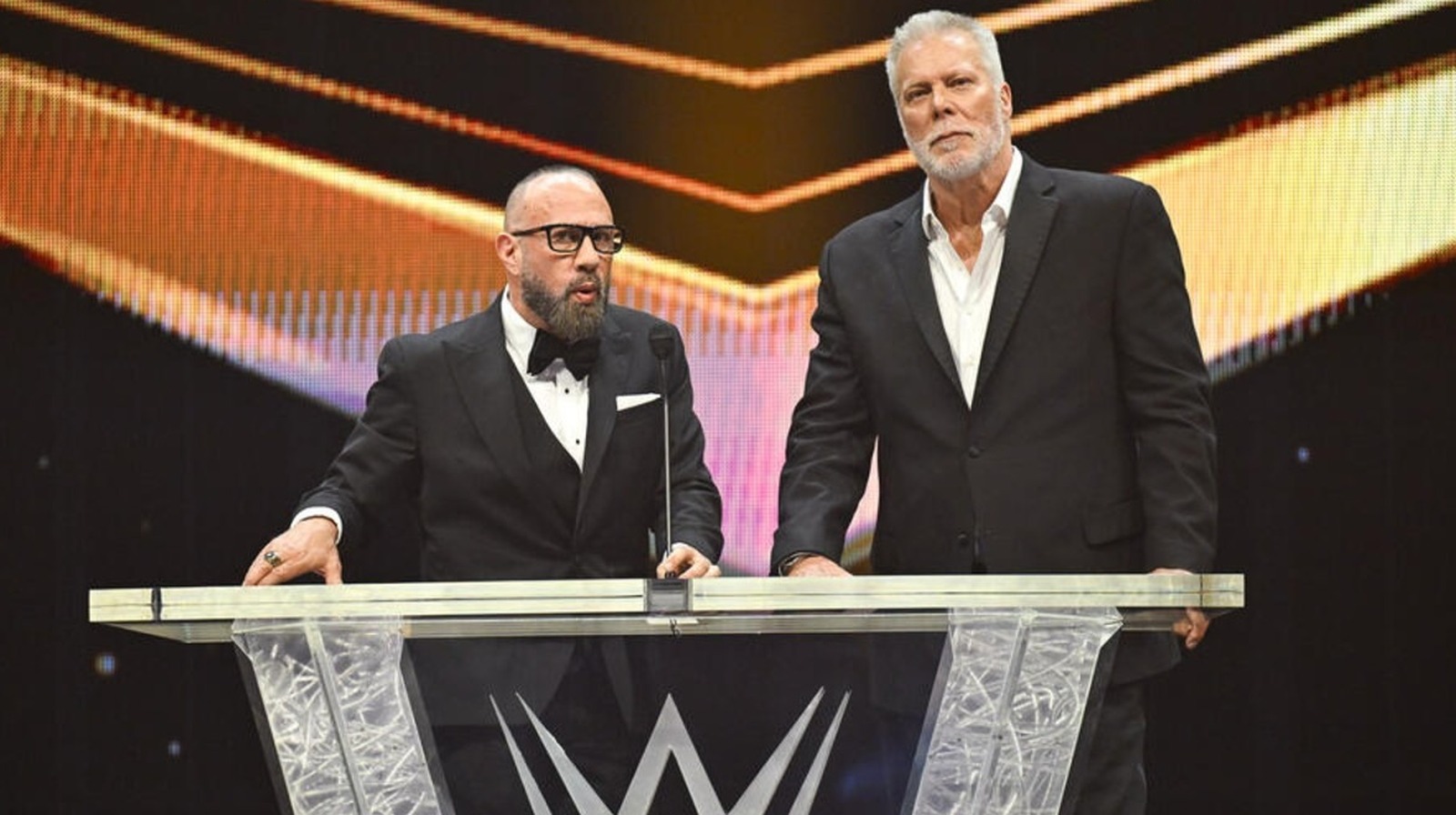
The tension stems from the logistics surrounding the Hall of Fame ceremony, an event that has transitioned from an intimate banquet to a massive, televised production. For the legends involved, the shift has turned a night of celebration into a grueling marathon of physical endurance. Nash, who has been open about his numerous surgeries and the toll a 30-year career took on his body, is leading the charge against a corporate structure that he feels has forgotten the human element of its heritage talent.
That's elder abuse.
The Reality of the Hall of Fame Marathon
Nash’s use of the term "elder abuse" is jarring, but it highlights a growing rift between the TKO-era efficiency and the physical reality of retired wrestlers. The ceremony now frequently runs for over **four hours**, often following a full day of media appearances and fan interactions. For men like Nash, who are dealing with fused vertebrae and destroyed knees, sitting in standard arena seating for that duration is a recipe for physical disaster. It is a stark contrast to the pampered lifestyle often associated with high-level sports legends in other leagues.
The logistics of the night reportedly involved long wait times in drafty backstage areas with minimal amenities. We aren't talking about luxury suites here. We are talking about concrete hallways and metal folding chairs. Nash's doubling down on these criticisms suggests that the feedback provided privately to WWE management has fallen on deaf ears. When a man who was once the highest-paid performer in the company starts using legal-adjacent terminology like "abuse," the front office should probably start listening.
The Disconnect of the TKO Era
Since the merger that formed TKO, WWE has moved toward a more streamlined, corporate-friendly model. While this has resulted in record profits and massive site fees from cities like Las Vegas, it has also stripped away some of the traditional hospitality that old-school performers expect. The Hall of Fame is now a content play, a block of programming designed to fill a slot on a streaming service rather than a genuine thank-you to the performers. This is the heart of Nash's frustration: the feeling of being a prop rather than a guest of honor.
There is a glaring lack of basic care that Nash is pointing toward. If you are going to ask men in their 60s and 70s to travel across the country to support your brand, providing adequate seating and nutrition should be the bare minimum. Instead, the focus seems to be entirely on how the stage looks on camera. This is a recurring theme in the new WWE; if it doesn't translate to a social media clip or a sponsorship integration, it simply isn't a priority for the current leadership team.
A Pattern of Neglect
This isn't the first time we've heard these whispers, but Nash is the only one with a big enough platform and a small enough fear of consequences to say it out loud. Most legends stay quiet because they want the "legends contract" checks to keep clearing. Nash, however, has built his own media empire through his podcast and has enough career earnings to tell the truth. He is pointing out a pattern where the company expects the stars of the past to show up and smile for the cameras while treating them like third-tier extras behind the curtain.
The situation in Las Vegas for **WrestleMania 41** served as the perfect storm. The scale of the event was massive, and in the rush to ensure the broadcast went off without a hitch, the "elderly" guests were shuffled around like luggage. Nash's bluntness here is a service to his peers who are too afraid to speak up. It is a reminder that while the company is worth **billions of dollars**, that wealth is built on the broken backs of the people currently sitting in those uncomfortable chairs for four hours straight.
The Critical Reality: A Legend's Irony
However, we have to look at this with a critical eye. Kevin Nash is a man who famously prioritized his own financial gain and "spot" above almost everything else during his active career. There is a certain irony in seeing a founder of the New World Order—a group that once held the entire WCW roster hostage for their own benefit—now complaining about a lack of corporate empathy. Nash helped create the environment where the top stars are treated like gods and everyone else is an afterthought. Now that he is no longer the top star, he is finding out what the "afterthought" experience feels like.
Furthermore, the physical toll Nash mentions is a direct result of the style of wrestling he and his peers championed. They pushed for more dates, bigger bumps, and longer matches to secure higher paydays. While the lack of hospitality at a ceremony is a valid complaint, framing it as "abuse" feels like a reach for someone who is still actively profiting from his association with the company. It’s a classic Nash move: stir the pot, generate headlines for his podcast, and force the office to react to his personal grievances.
What Happens Next for the Legends?
WWE is at a crossroads with its legacy talent. As the company continues to distance itself from the Vince McMahon era, it runs the risk of alienating the very people who provide the brand with its history and prestige. If more legends follow Nash’s lead and stop showing up for these events, the Hall of Fame loses its legitimacy. You can't have a Hall of Fame if the inductees feel like they are being punished for attending. The company needs to find a middle ground between a high-gloss TV show and a respectful environment for its veterans.
For Nash, the damage might already be done. He has made it clear that his loyalty to the brand has limits, and those limits are reached when his physical health is ignored for the sake of a camera angle. As we head toward the summer and the lead-up to the next set of major events, the ball is in WWE's court. They can either fix the hospitality issues or prepare for a very empty stage at the next ceremony. Nash has fired the opening shot, and in the world of wrestling politics, he rarely misses his target.