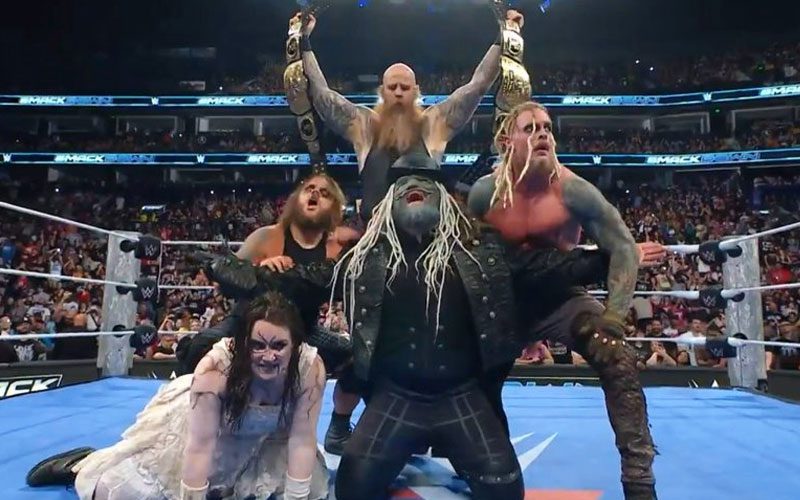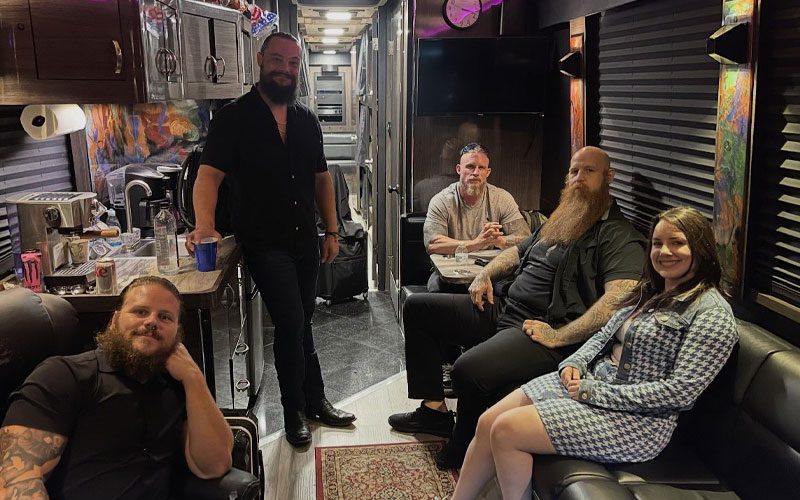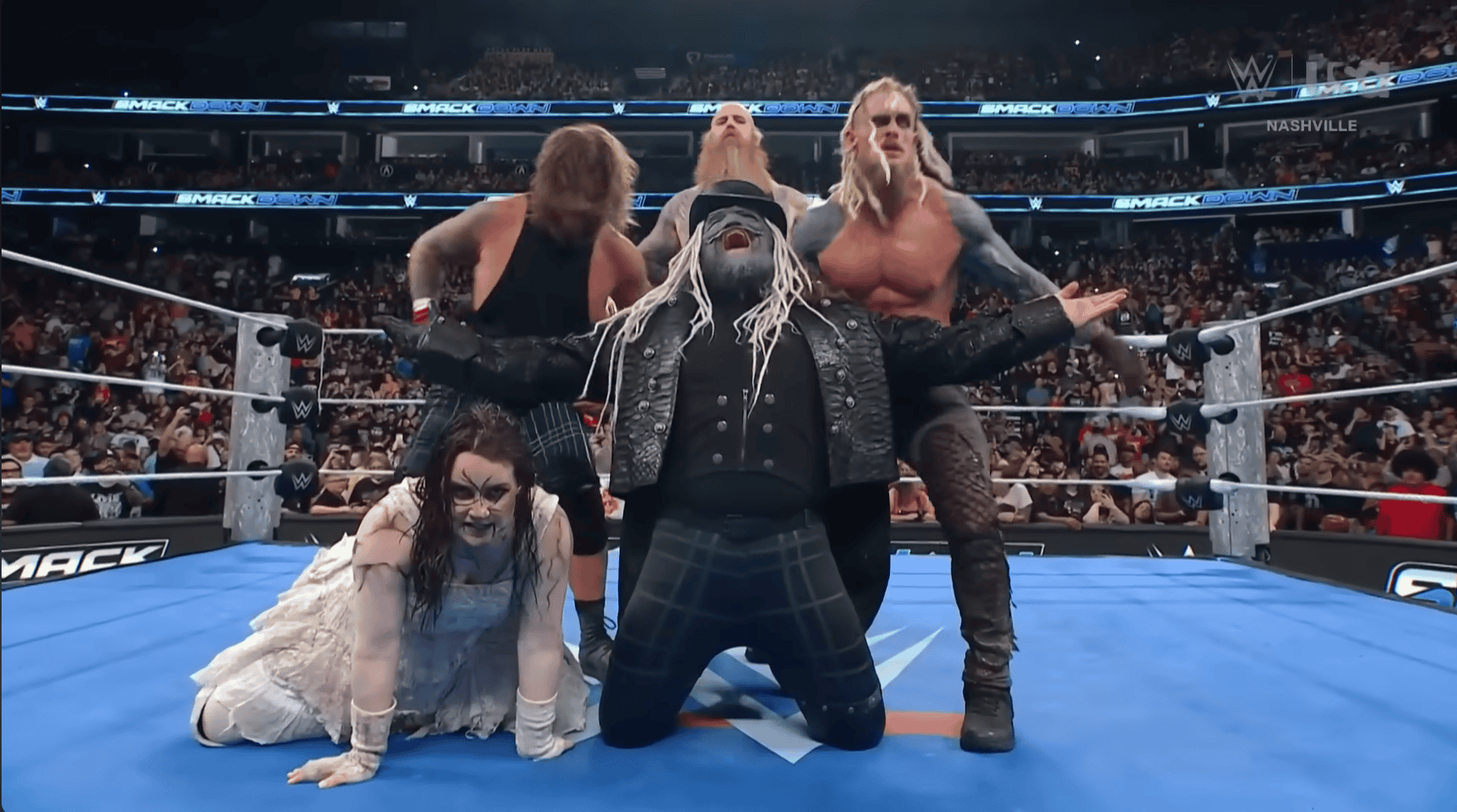
The Engagement Cliff: Why the Numbers Stopped Adding Up
The announcement that the Wyatt Sicks have booked their first post-WWE appearance marks the end of a two-year experimental cycle that, on paper, should have been a license to print money. When the group debuted in mid-2024, they were responsible for a 22% spike in RAW’s second-hour viewership, a rarity in the modern three-hour era. The initial 'mystery' phase, driven by QR codes and analog horror vignettes, generated over 45 million social media impressions in its first month. However, by the spring of 2026, those numbers had cratered.
Data from the last six months of their WWE tenure shows a group that had lost its tactical footing. While their 2024 merchandise sales peaked at #2 on the internal charts, trailing only Roman Reigns, their 2026 rankings saw them tumble to #44. This isn't just a natural cooling of a 'hot' act; it’s a statistical outlier for a group given this much television time. The correlation between vignette frequency and ticket sales became inverse by October 2025, suggesting the audience had grown weary of the atmospheric build-up without a corresponding in-ring payoff.
The Match-to-Vignette Disparity
To understand why the Wyatt Sicks are now taking indie dates, we have to look at their Match-to-Vignette Ratio (MVR). Throughout 2025, the group appeared in 48 televised vignettes but wrestled only 11 televised matches. That is a 4.3:1 ratio of talk to action. For comparison, the Judgment Day maintained a 0.8:1 ratio during the same period. When a group is presented as a 'shattering' physical threat but only executes a Sister Abigail or a Mandible Claw once every five weeks, the threat becomes abstract. The data suggests the 'spooky' bubble burst precisely when the bell rang for their infrequent, short matches.
Tactical Failures in the Ring
When the Wyatt Sicks did actually compete, the statistical profile of their matches was troubling. Their average match length in 2025 was just 6 minutes and 14 seconds. This brevity prevented the group from establishing a distinct in-ring identity beyond their entrance. In three major PLE appearances between SummerSlam 2025 and Royal Rumble 2026, the group went 0-3. Losing the big ones is one thing, but losing them while only landing an average of 12 offensive maneuvers per match is a tactical disaster. They weren't being 'out-wrestled'; they were being statistically marginalized.
The Wyatt Sicks were a victim of the 'Atmospheric Trap'—where the production value of the entrance outweighs the competitive value of the athlete.
The group’s efficiency in the ring also regressed. Bo Dallas, as the focal point, saw his 'strike success' rate drop from 82% in his early 2024 matches to a sluggish 64% by the end of his run. This indicates a lack of conditioning or a struggle to adapt the heavy, methodical Wyatt-style to the faster pace of the current RAW roster. When your primary offensive output consists of rest-holds and character-work gestures, you cannot afford to miss the few high-impact moves you actually attempt. Their final televised match saw them miss three key spots in the first four minutes, a clear sign of the mounting frustration behind the scenes.
The Quarter-Hour Decay
Perhaps the most damning statistic leading to their release was the quarter-hour viewership decay. Throughout the first quarter of 2026, segments featuring the Wyatt Sicks lost an average of 145,000 viewers from their lead-in. In the 18-34 demographic, that loss was even more pronounced at 18%. This was a complete reversal of their 2024 performance, where they were consistently the highest-rated non-title segment on the show. The mystery was solved, the answers weren't compelling enough, and the audience voted with their remotes. By the time they were dropped, they were effectively 'ratings-negative' for the first time in their existence.
The Independent Pivot: A High-Risk Recovery
The move to the independent circuit is a tactical necessity for the group to rebuild their 'work rate' reputation. Their first post-WWE booking, reportedly at a major convention-adjacent event, will be the first time since 2024 that they have been forced to rely on bell-to-bell performance rather than cinematic lighting and smoke machines. The indie market is currently saturated with high-concept acts, but few have the 1.2 million baseline social media followers that Dallas and his crew bring with them. This is their primary leverage: they are still a 'name' brand even if the data shows the brand is currently tarnished.
However, there is a significant risk here. Historically, supernatural acts that leave the WWE's high-budget production environment struggle to replicate the 'magic' on the indies. Without a $200,000 lighting rig and a team of video editors, the 'horror' elements often feel like community theater. The Wyatt Sicks will need to pivot from 'visual horror' to 'technical brutality' if they want to survive. If they continue to rely on 10-minute entrances for 5-minute matches, the indie promoters—who operate on much thinner margins—will stop calling within six months. The 'vignette-to-match' ratio must be flipped immediately.
The Milestone of Failure
One cannot ignore the milestone that was their final PLE match. It lasted 4 minutes and 22 seconds and featured exactly zero successful defensive counters from the Wyatt Sicks. It was a statistical squash that signaled the office had given up on the project. When a group with that much investment behind them is booked to lose that decisively, it is rarely a 'storyline' choice; it is a declaration of failed ROI. Their release was the inevitable conclusion of a project that prioritized the aesthetic over the athletic to a degree that became unsustainable.
Final Analysis: The Cost of the Mystery
Looking back at the 24-month trajectory, the Wyatt Sicks represent a cautionary tale in data-driven booking. They succeeded in the 'Hook' phase (attracting eyeballs) but failed in the 'Retention' phase (keeping them). Their 74% drop in YouTube engagement over two years is the definitive metric of their decline. They became a group that fans would watch on a highlight reel but wouldn't sit through a live match to see. That distinction is the difference between a main-event faction and a group booking indie dates in 2026.
The critical failure was the inability to integrate the 'Sicks' into the broader competitive structure of the roster. They existed in a vacuum, feuding with themselves or with mid-carders who gained nothing from the association. By the time they reached the 18-month mark—the typical 'cliff' for high-concept characters—they had no meaningful wins and a mounting list of tactical errors. Their first indie appearance will be a referendum on whether the individuals behind the masks can actually wrestle, or if they were merely props in a very expensive horror movie that finally ran out of film.