The healthy scratch phenomenon
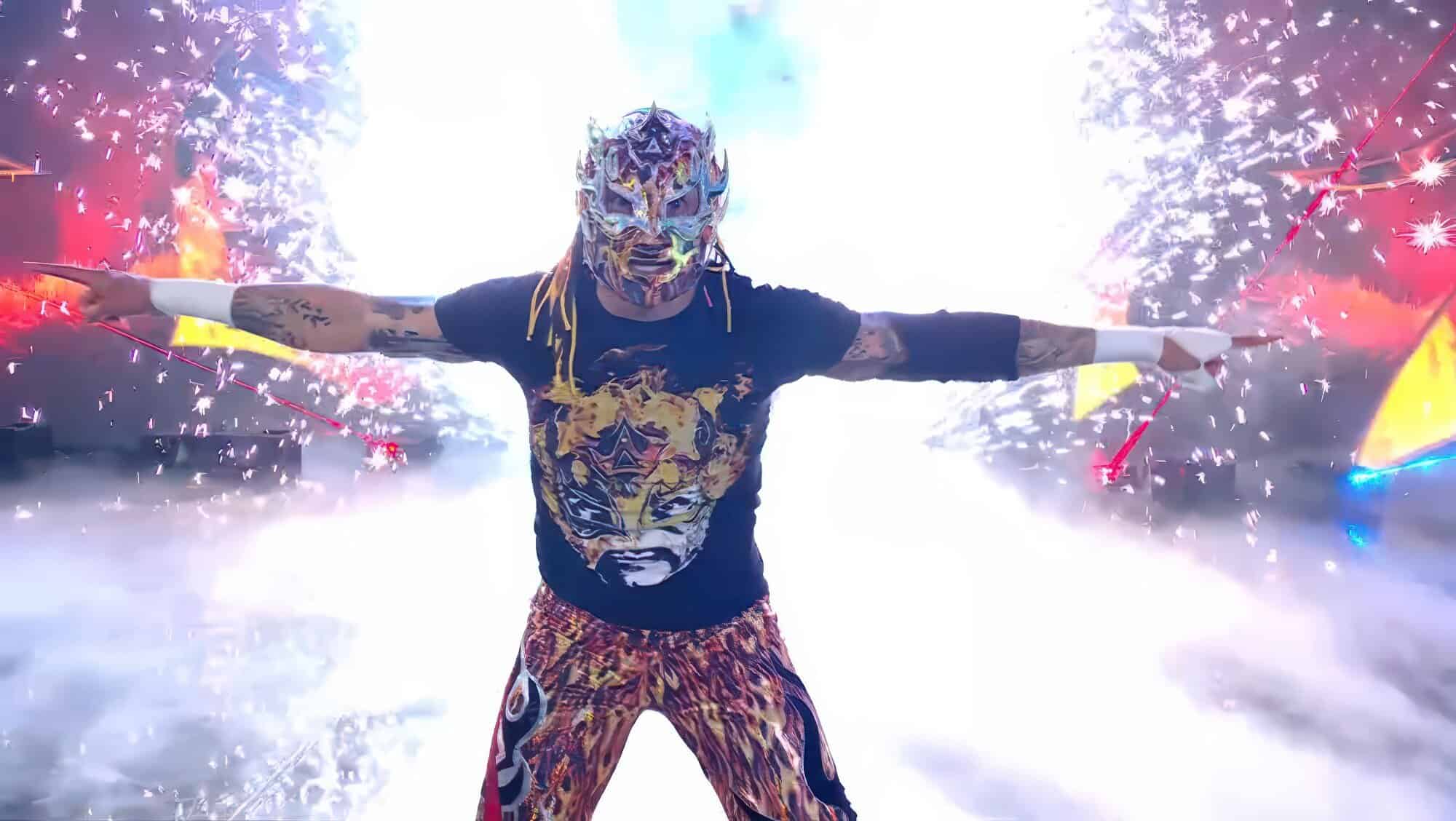
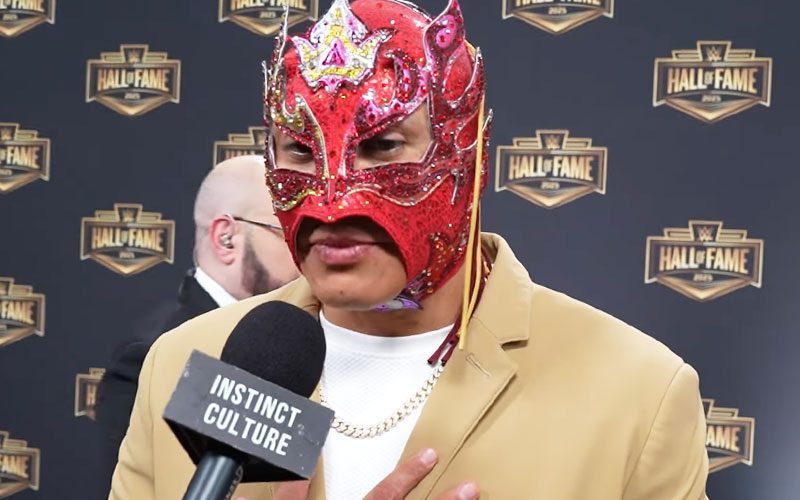
For a guy whose career has been defined by defying gravity, Rey Fenix is finding himself surprisingly grounded in WWE. But this time, it isn't a broken arm or a concussed skull keeping him out of the ring. Fenix may have just publicly called out WWE over his current booking situation, and the frustration is visibly boiling over.
A recent social media reaction from the luchador hinted heavily that his absence from weekly television is a creative choice, not a medical mandate. He commented on a post highlighting his lack of usage, validating the concerns of fans who have noticed his disappearing act. For a performer wired to steal the show every night, sitting in catering while fully cleared to compete is its own kind of mental toll.
This is a massive shift for Fenix. During his tenure in AEW and on the independent circuit, a prolonged absence almost always meant a trip to the surgeon. Now, he is dealing with the reality of being a healthy scratch in the biggest wrestling company in the world. He isn't rehabbing a torn ligament. He's waiting for a script.
The medical history of a high-flyer
To understand the current friction, you have to look at Fenix's physical history. There is arguably no wrestler working today who takes more risks on a nightly basis. That risk profile came with a massive injury tax during his run outside the WWE umbrella.
We all remember the gruesome left arm dislocation against Luchasaurus in January 2022, where his elbow bent backward through a table on national television. We also remember the various hip and lower back issues that sidelined him repeatedly during the Lucha Brothers' peak AEW years. He has suffered neck stingers and knee sprains that would have ended lesser careers.
WWE was well aware of this extensive medical file when they brought him in. The company's medical protocols are notoriously strict. They often require talent to alter their move sets to ensure longevity and reduce liability. Fenix is a Ferrari, but he is a Ferrari that has been in several high-speed collisions over the past decade.
It is highly likely that WWE management looks at his injury history and chooses to deploy him sparingly. They want to protect their investment. But treating a generational talent like a fragile antique defeats the purpose of signing him in the first place.
The biomechanics of ring rust
From a sports medicine perspective, keeping a guy like Fenix inactive might actually be detrimental to his ring shape. Ring rust is a real, physiological phenomenon. Professional wrestling requires a highly specialized cardiovascular conditioning that you can only maintain by taking physical impact.
Tendons and ligaments need regular stress to maintain their elasticity and shock-absorbing qualities. When a high-flyer goes from zero to a hundred without consistent reps, you see a sharp uptick in hamstring pulls, groin tears, and Achilles ruptures. The body literally forgets how to brace for impact.
WWE's attempt to protect him by not booking him might inadvertently set him up for a different type of injury when they finally call his number. You cannot expect a guy to sit on the bench for six weeks and then flawlessly execute a springboard tornillo to the floor. The timing gets compromised. In lucha libre, a fraction of a second off your timing means disaster.
Creative frustration boils over
The problem is that Fenix does not want to be protected. He wants to work. His public venting highlights a massive disconnect between the talent and the front office. WWE sees a physically compromised asset that needs to be bubble-wrapped until a major premium live event.
Fenix sees a prime athletic window closing while he waits for writers to figure out a storyline. Professional wrestling is a rhythm business. You don't stay sharp by shadow wrestling in the Performance Center. You stay sharp by working in front of live crowds.
This is where WWE's creative process consistently fails high-level in-ring talent. The company is currently obsessed with long-term, slow-burn narratives centered around massive factions. If you do not fit cleanly into a months-long soap opera, your physical readiness simply does not matter. You do not get booked.
You have to criticize WWE's handling of him here. Bringing in one of the most dynamic high-flyers of his generation only to ice him because creative has nothing for him is a massive waste of resources. They stockpile top-tier international talent, but the actual television real estate is monopolized by the same handful of main eventers cutting twenty-minute promos.
The tag division dilemma
This situation also raises serious questions about Penta El Zero Miedo. The Lucha Brothers were brought in as a package deal, generating massive hype. Yet, tag team wrestling in WWE is often treated as an afterthought, used primarily to advance singles feuds.
While Fenix is dealing with his own frustrations, the tag division as a whole is suffering from a desperate lack of focus. Penta has slightly more durability historically, relying more on stiff strikes, taunts, and character work than Fenix's high-risk aerials. Stalling their push hurts both men. The tag team division desperately needs the chaotic, high-velocity energy the Lucha Brothers provide.
Historical precedent and the Mysterio shadow
We have seen this movie before, and it rarely has a happy ending. WWE has a long, troubled history of struggling to consistently book masked luchadors not named Rey Mysterio. From Sin Cara to Kalisto to Gran Metalik, the company often defaults to putting them in start-and-stop pushes.
They bring them in for a spectacular debut, realize they don't cut lengthy promos, and immediately relegate them to the background. Fenix is arguably more talented in the ring than all of those predecessors, but the institutional habits of WWE are incredibly hard to break.
Mysterio himself dealt with massive injury layoffs throughout his WWE career, missing years due to recurring knee surgeries. The difference is that WWE always had a top-tier spot waiting for Rey when he returned. Fenix is currently trying to establish his spot while dealing with the political reality of the current locker room.
Timeline for a resolution
With the summer approaching, WWE has a narrow window to capitalize on a healthy Rey Fenix. He is exactly the kind of performer who can elevate a mid-card title match or provide a viral moment on a major stage. But that requires putting him on television now and letting him build momentum through actual matches.
If Fenix continues to sit in catering, the frustration will only grow, and his public comments might escalate. The modern wrestling industry allows talent to control their narrative through social media. Fenix is clearly willing to use that platform to force the issue.
WWE needs to decide if they are going to utilize the healthy, dynamic athlete they signed. The alternative is continuing to pay him to be the most spectacular benchwarmer in the industry. Ultimately, a wrestler's physical prime is painfully short.
Every week wasted is a bump card slot burned for nothing. Fenix knows this better than anyone, given his history of lost time due to severe physical trauma. Having to lose time simply because the creative team can't figure out how to write a wrestling match for a generational talent is a bitter reality. The clock is ticking loudly, and the ball is firmly in WWE's court.