The true cost of the UFC's legal battle
For years, the anti-trust lawsuit posed a genuine threat to the revenue sharing model that defines modern mixed martial arts. Now, attorneys have provided a clear update on the distribution of settlement payments for claimants. This isn't just a spreadsheet exercise; it represents the final page of a chapter that forced the promotion to defend its cornering of fighter talent.
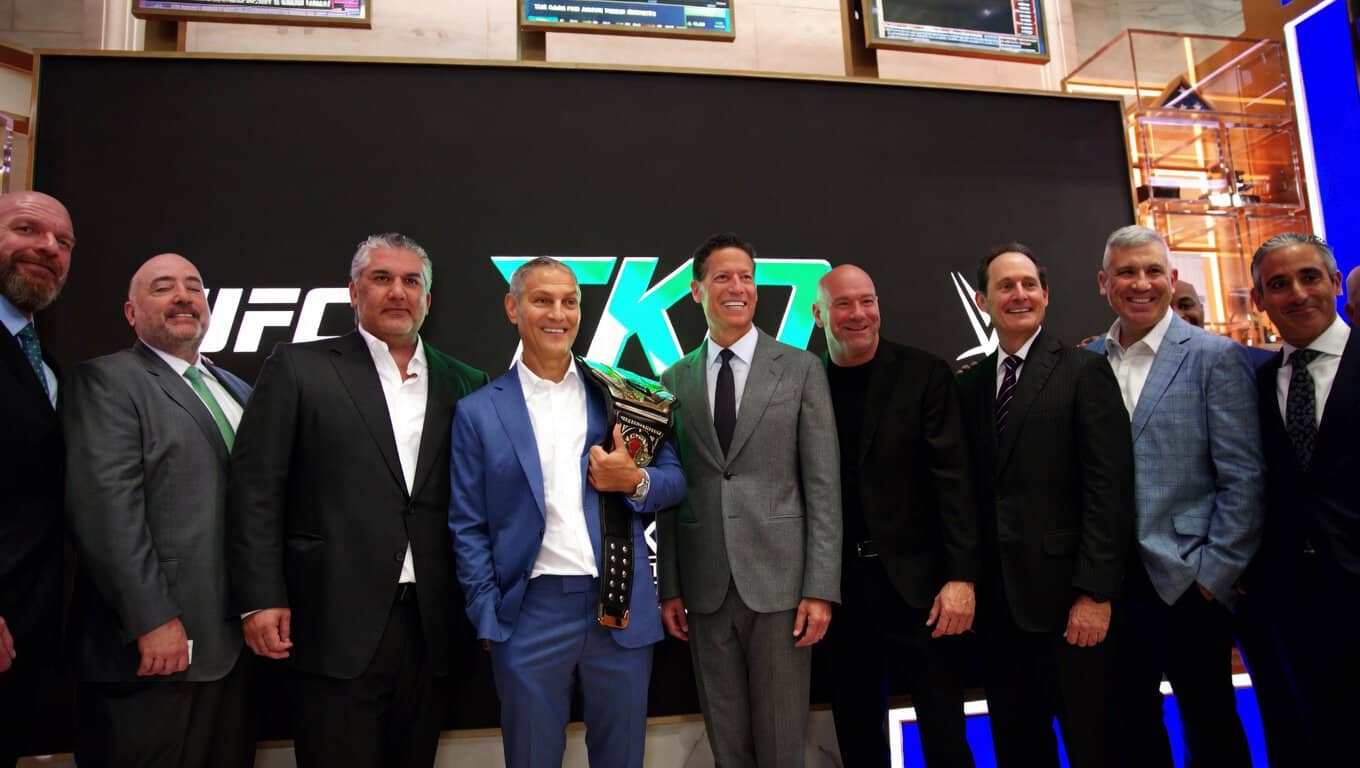
We have to address the optics here for TKO. While they eye the expansion of International Fight Week, legal liability remains a persistent tax on their growth. The settlement figures suggest a cooling-off period, but the fundamental friction between management and independent contractor classification remains largely unaddressed.
What the numbers actually tell us
Watching this case play out felt like observing a game of tactical chess where the pieces were made of contracts rather than bone and muscle. The plaintiffs argued that the acquisition and exploitation of talent through restrictive agreements created an artificial ceiling on fighter pay. From a forensic journalism standpoint, the settlement provides some closure, but it fails to rewrite the underlying rules of engagement.
The payout distribution process is set to finalize, effectively neutralizing a long-standing vulnerability for the brand. However, the lack of significant structural change regarding contract exclusivity clauses is a missed opportunity for the entire industry. When fighters continue to sign deals with restrictive matching clauses, they are effectively locking themselves into a 100 percent reliance on the UFC's internal ecosystem.
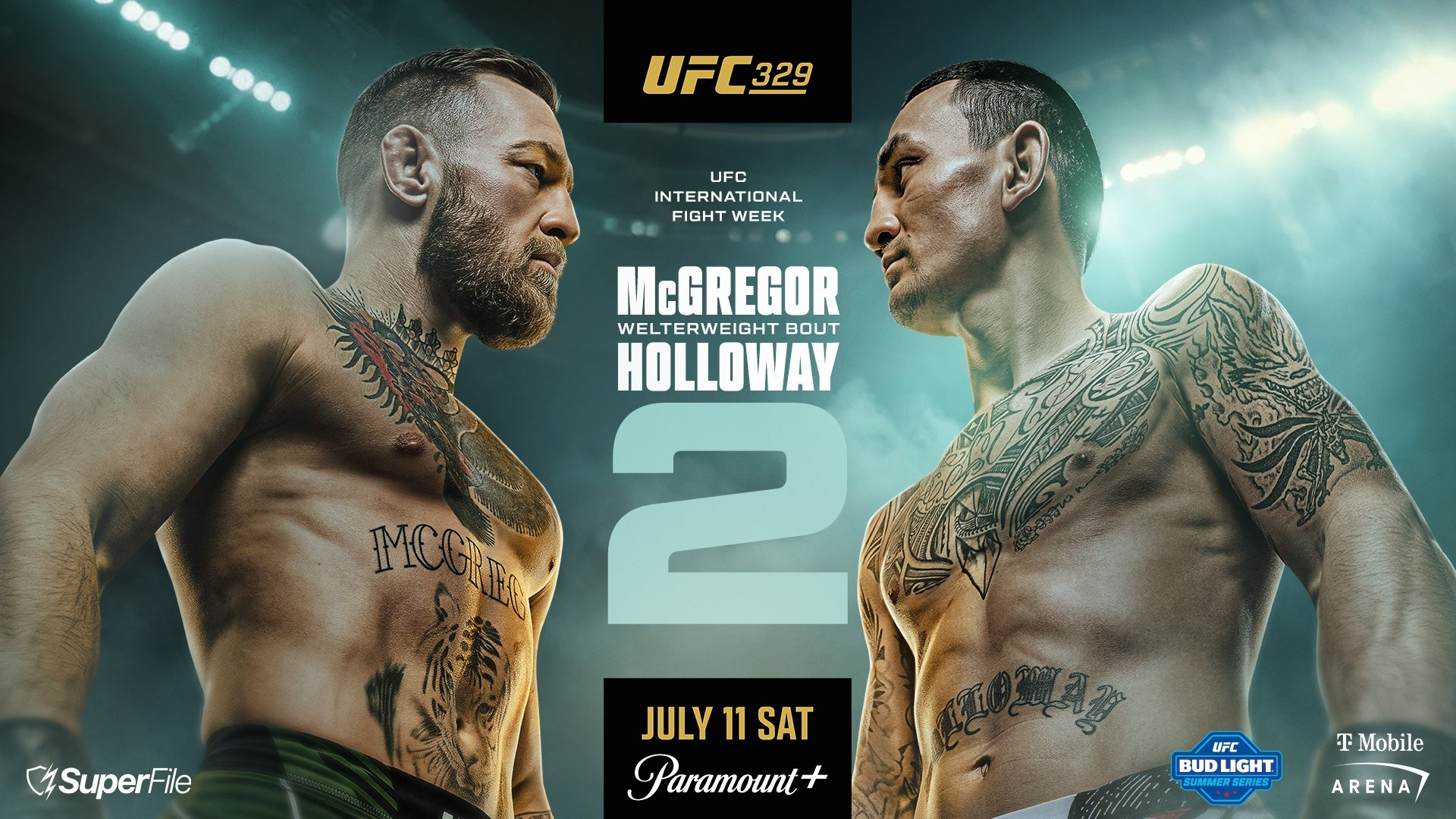
The timing here is curious. With the April 19 date for WrestleMania 41 approaching, the sports world is shifting its focus toward the spectacle in Las Vegas. TKO would prefer this story fade into the background while they pivot toward the blockbuster UFC 329 card. Legal victories are often silent, but this quiet resolution feels less like a triumph and more like a necessary expense to clear the deck for future profit margins.
The shadow over future fight cards
Despite the settlement, the questions regarding fighter autonomy don't disappear when the final check clears. The promotion still operates under a model that demands total loyalty in exchange for elite-tier exposure. We see this in the matchmaking year-over-year—if you aren't playing ball with the internal booking philosophy, your trajectory stalls at the prelim level.
This case was supposed to be the moment that changed the leverage ratio in the octagon. It didn't. Instead, we see the continuation of the status quo with a $335 million price tag attached to it. That amount is a cost of business for a company generating massive broadcast revenue, and the claimants are left with individual shares that rarely offset the cumulative loss of potential career-long earnings.
Looking ahead, the focus shifts back to matchmaking and the next generation of prospects who are already signing those same standard-issue contracts. If you want to understand why fighter pay metrics don't move drastically after a win, look no further than the legal precedents that stayed intact despite these claims. The settlement is finalized, but the fight for equitable compensation is far from finished.