The Anatomy of a Contractual Dispute
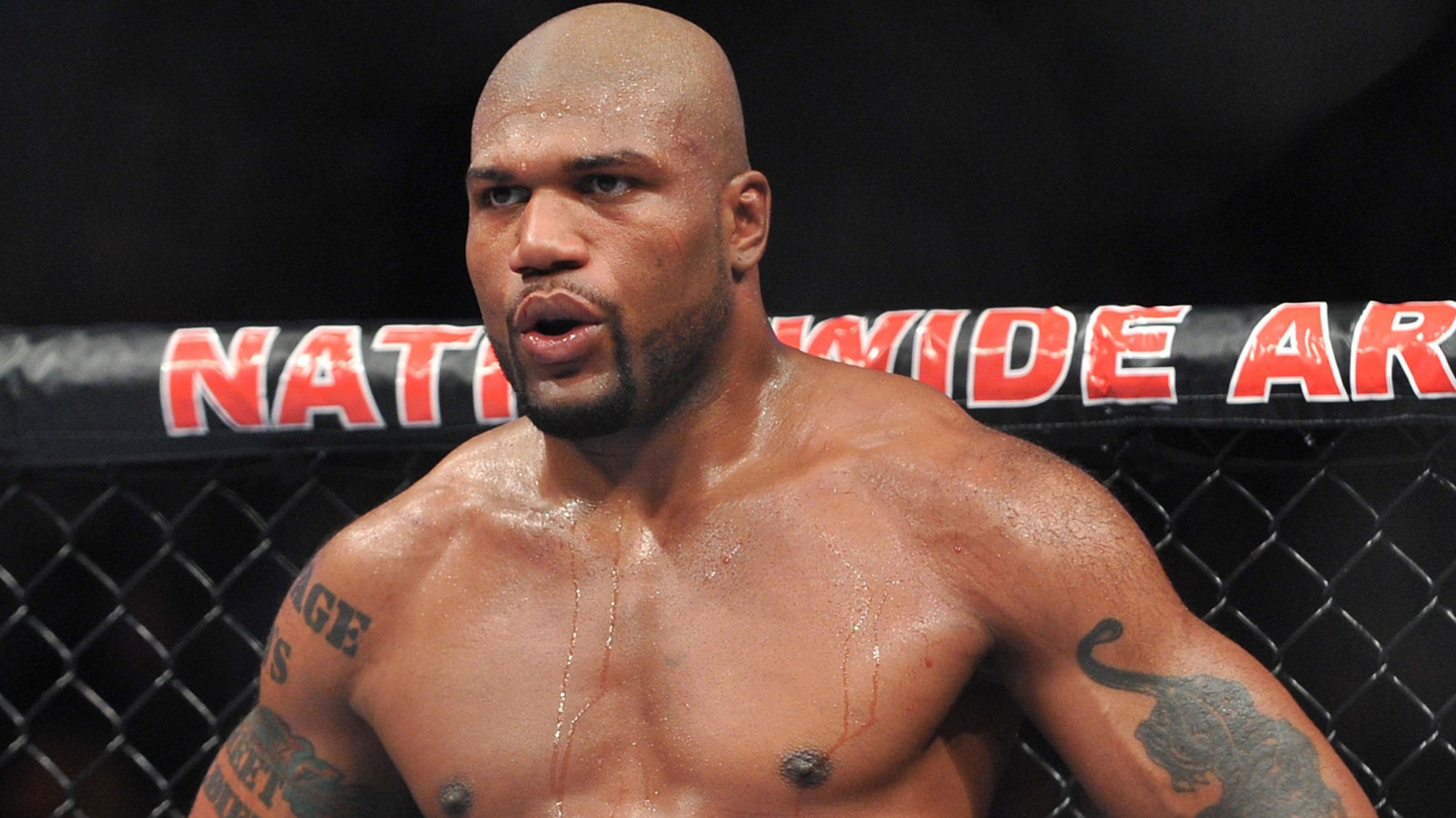
Former UFC light heavyweight champion Quinton Rampage Jackson recently detailed a significant alteration to his compensation structure. Following his victory over Chuck Liddell, a win that netted him a reported seven million dollars, Jackson claims Dana White moved to unilaterally change the terms of his existing agreement.
This dispute centers on the financial volatility of peak-era mixed martial arts. Jackson’s payout reflected his status as a marquee draw when the organization’s revenue models were still shifting toward the current broadcasting rights era. By renegotiating after a high-dollar night, the promotion signaled that individual windfall profits were subject to internal review.
Historical Context of Fighter Compensation
This incident is not an isolated case of top-tier athletes clashing with management over fiscal parity. Historically, the Rampage Jackson account confirms a pattern where sudden spikes in fighter value trigger re-evaluations of sponsorship and base salary. Other fighters from the mid-2000s era have previously voiced similar concerns regarding the unpredictability of locker room bonuses versus contractual obligations.
When a fighter lands a single purse that balloons past the traditional mid-card salary, it forces the front office to reassess the rest of the roster’s wage floor. This often leads to restrictive clauses designed to avoid precedent-setting payouts. Such adjustments prioritize long-term corporate budget stability over the immediate revenue generated by an individual headliner.
Strategic Implications for the Modern UFC
The implications for current fighters are clear: leverage is ephemeral. Jackson’s experience shows that even after a career-defining win, the negotiation table can be inverted within hours. Modern rosters are undoubtedly aware of these maneuvers, which incentivizes fighters to push for guaranteed multi-year contracts rather than relying on performance-based bonuses that are susceptible to post-fight administrative tampering.
Managing talent relations remains the biggest headache for the UFC brass. While they have successfully scaled the sport globally, the lingering resentment from legends suggests a failure to institute standardized pay transparency. This disconnect often turns retired stars into vocal critics, damaging the brand's ability to market its own history effectively.
Critical Flaws in Fighter Representation
The failure here often lies with talent management rather than just the promotion. If an athlete of Jackson’s caliber was vulnerable to a mid-contract shift, it hints at a lack of ironclad legal protections or a failure to anticipate the company’s pushback after a blockbuster event. Relying on gentleman's agreements in the fight business has proven to be a strategic disaster for decades.
Expecting individual fighters to navigate these high-stakes financial waters without union-backed collective bargaining remains the primary issue. The industry operates with a 15% to 20% revenue share model that lags significantly behind major league sports in North America. Until that gap is bridged, recurring stories of contract disputes and retrospective pay cuts will continue to dominate the headlines.
The timeline for professionalizing fighter pay remains stagnant. As we approach the busy summer calendar, featuring high-profile events, these old wounds regarding management practices often resurface in media rounds. The industry would benefit from a shift toward fixed percentage models, ensuring that legendary bouts don't devolve into legal post-mortems.