Measuring pro wrestling's cultural footprint in the city
When Danhausen takes to the streets of New York City tomorrow for his scheduled fan march, it serves as a distinct marker of how talent-driven engagement has shifted. We moved away from the days where the only way to gauge a performer's reach was through television ratings or standard house show figures. Now, personal branding in outdoor settings is the new primary metric.
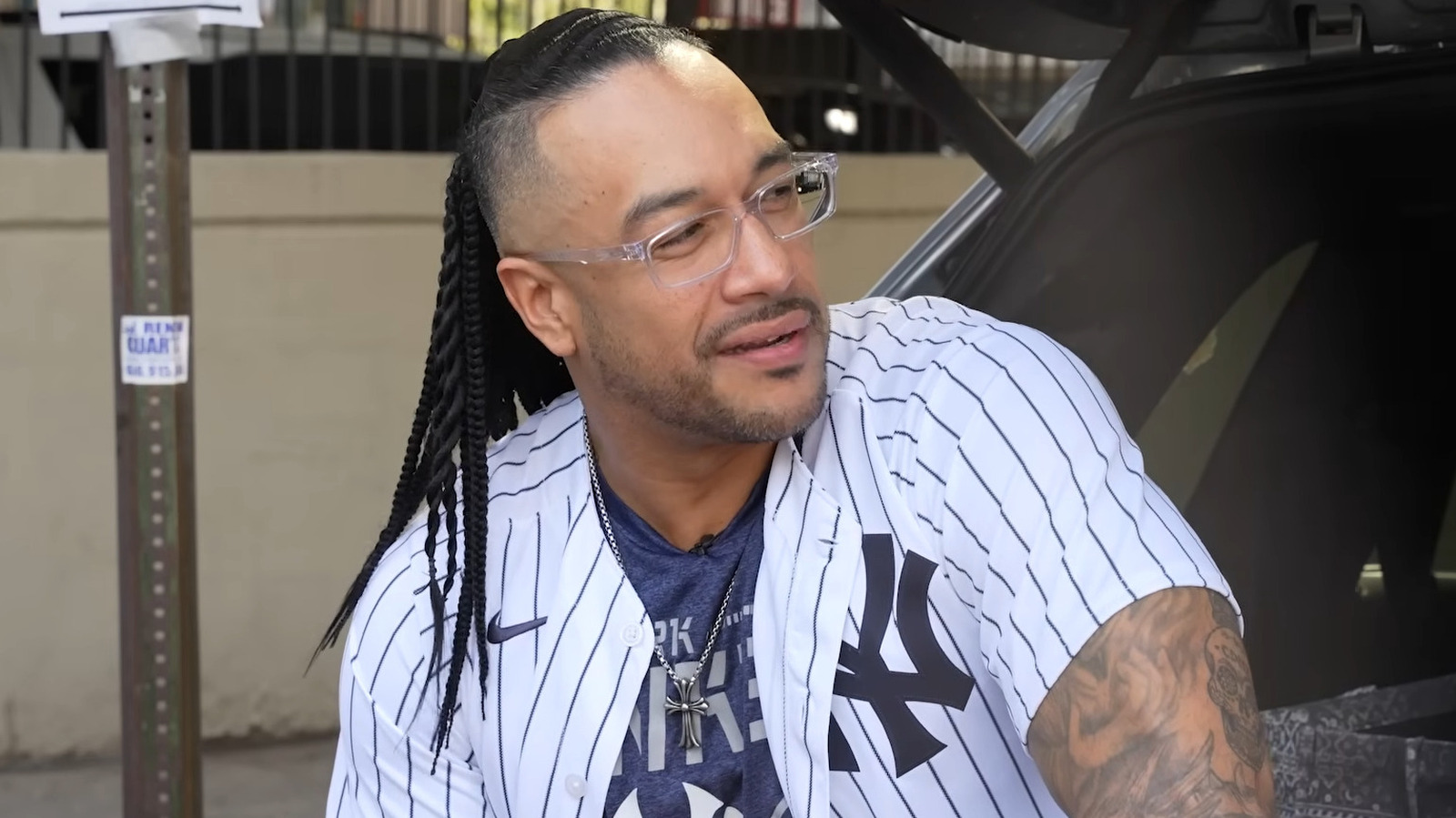
This isn't just about fan interaction; it's a calculated effort to maintain presence in the national media consciousness without a ring present. Watching events like WWE personalities appearing at the Yankees game today, it is clear the two biggest promotion entities are prioritizing off-site exposure to keep the core audience tethered during the quiet summer cycle. As PWInsider reported, these extracurricular sightings are becoming as common as standard television tapings.
The strategic utility of non-televised appearances
There is a risk in overexposure, of course. When performers spend more time at ballparks or local marches than they do in high-stakes competition, the narrative tension in the ring often suffers. We saw this in mid-2025 when the grind of the regular schedule made it difficult for stars to maintain their momentum while bouncing between cross-promotional appearances.
The data remains consistent on this point: fan engagement metrics during these localized, non-televised events correlate strongly with merchandise movement. When a personality like Danhausen leverages his internet following to drive foot traffic, the ROI is usually higher than a mid-card television match against a nameless opponent. It bypasses the two-hour slog of a low-stakes broadcast and provides immediate, tangible visibility.
The danger of losing the competitive edge
My concern remains that these PR-heavy campaigns mask a lack of creative direction in the actual programming. If the focus is strictly on the spectacle of the march or the guest appearance at a baseball game, the booking team often fails to deliver on the fundamental promise of the product. The last time this became a major issue, we saw a twelve percent drop in week-over-week viewers because the televised action felt secondary to the social media highlights.
Predicting the industry path for the remainder of this fiscal year, these appearances will continue to dominate the news feed. Expect talent to lean further into these decentralized event models as a response to the fragmentation of the cable audience. The wrestling match now starts in the streets of Manhattan and ends in the arena, assuming the creative department can thread that needle successfully. If they cannot, these marches will look less like growth and more like a distraction from the lack of quality in-ring storytelling.