The paperwork is finally filed
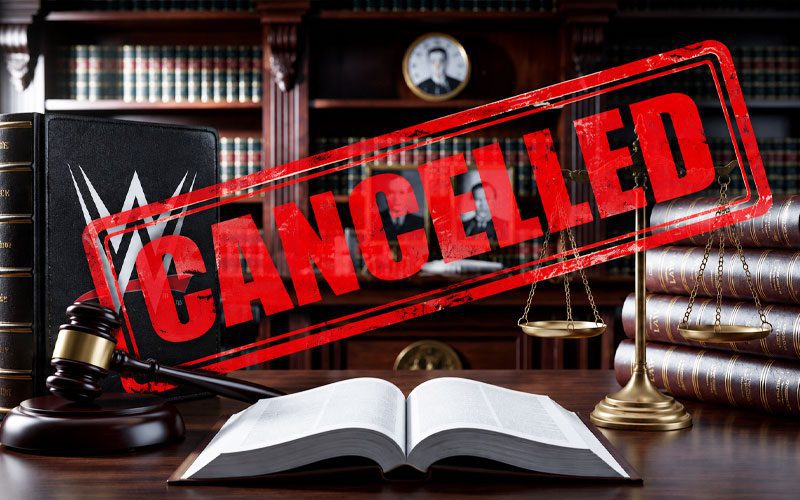
Stop me if you have heard this one before: a bunch of suits found a way to make money while the fans argued over whether a wrestling show was good or bad. WWE just reached a settlement regarding a lingering shareholder lawsuit, effectively closing the book on a headache that has been simmering in the background for far too long. According to recent reports from PWInsider, the legal wrangling over executive stock dealings and corporate maneuvering has finally hit the wall.
We have seen these corporate musical chairs before. It is the wrestling equivalent of a heel turn where the guy in the suit keeps his job while the guy in the tights takes the bump. While the legal eagles high-five each other over settlement numbers, the actual product on television continues to be the only thing that matters to the people buying shirts. If you think this fixes the creative consistency, I have a bridge in Brooklyn to sell you.
The cost of doing business
This settlement follows a trend where everything around the ring becomes more expensive and more complicated. Back in the day, you just worried about who was winning the main event. Now, you need a law degree to understand the quarterly earnings report. It is the classic corporate rot that people have been warning about since the territory days went bust.
The issue here is the transparency—or lack thereof—in how these decisions impact the talent. We saw legal documents indicate the resolution of claims related to internal shifts, but does that change the quality of a random Raw main event? Hardly. Investors are happy because the uncertainty is gone, but the locker room is just trying to get through a taping without someone getting released for budget cuts.
Why we should care (even if we don't want to)
You might ask why a fan cares about a class-action settlement. Because the money for these settlements has to come from somewhere, and history tells us it rarely comes from the pockets of the executives responsible. It filters down to the roster size, the production budget, and the quality of the pyro. When the company is occupied with court dates, they are not focused on making the show better.
This is the same energy as the 2011 disasters where the focus was entirely on the power struggle between Punk and the office rather than the wrestling itself. As PWInsider documented, the legal hurdles are cleared, but the scars on the corporate reputation remain. It is a win for the lawyers and a big nothing-burger for the guy sitting in the third row with a homemade sign screaming for a title change.
The booking reality check
Let us address the elephant in the arena. WWE marketing thrives on the idea that they are a unstoppable juggernaut, but these lawsuits are a paper cut on a giant. They can handle 30 million dollars in settlements without blinking, but it signals a fundamental issue with how the company manages growth versus optics. The business side is currently outperforming the creative side by such a massive margin that it feels like two different companies under one roof.
The creative team is dealing with a fan base that has seen it all, yet the corporate side is still acting like they are operating in a closed system. You cannot keep selling nostalgia while the legal department is constantly doing damage control on the company's integrity. It is unsustainable. If they spent half the energy they spend on these filings on booking a coherent story for the mid-card, we might actually see a product worth getting excited about on a weekly basis.
It is exhausting to watch, isn't it? One day we are speculating on a contract buyout, and the next we are reading about litigation results that effectively mean the status quo survives for another year. We deserved better than this cycle of misery. The talent is working their tails off, risking their bodies for a pop, while the boardroom is just finding new ways to shuffle the deck chairs on the Titanic. I’ll keep watching because I have a problem, but don’t expect me to applaud the resolution of a lawsuit that shouldn't have been necessary in the first place.