The Road to WrestleMania 41 and Beyond
Medical clearance changes the trajectory of a promotion overnight. Whether it is a former world champion returning to the main event or an independent talent finally shaking off red tape, these approvals force booking teams to scrap their plans. With WrestleMania 41 just 17 days away, the timing of these returns dictates the entire card hierarchy.
1. Bobby Lashley
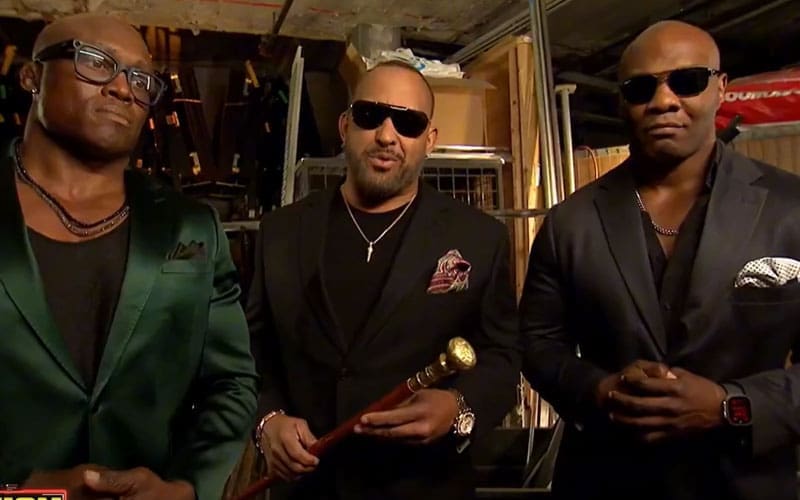
MVP confirmed that Bobby Lashley is officially cleared for in-ring competition as the Hurt Syndicate re-emerges in AEW. This return is the most significant addition to the roster this quarter. Lashley brings instant credibility to any program he touches. His presence guarantees a physical main event style that has been missing from recent televised cards.
2. The Mystery AEW Star
Reports emerged recently that an unnamed AEW talent has finally received full medical clearance. The identity remains protected, but the timing is suspicious given the looming AEW injury update. Whoever this is, they enter a crowded locker room that badly needs fresh faces. Expect an immediate push upon arrival.
3. The Hurt Syndicate
The collective clearance of the stable allows for a multi-man dynamic that opens up tag team and faction warfare. Business picked up the moment MVP stepped onto the mic to confirm the group’s return. This unit works best when they are clearing house as a trio. Their synergy is their primary selling point.
4. Ricky Saints
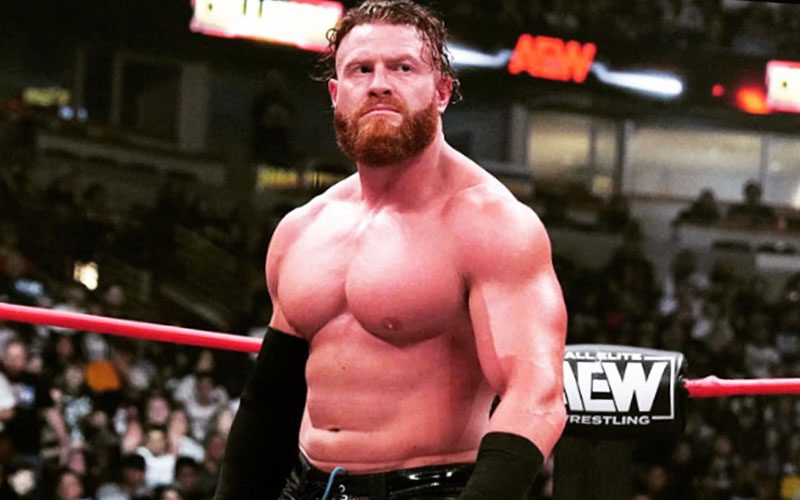
Ricky Saints dealt with significant administrative headaches while trying to get independent bookings approved during his AEW absence. Getting cleared by the promotion to perform elsewhere is often harder than getting medical clearance. His struggle highlights the restrictive nature of modern contracts. Wrestlers should not have to jump through corporate hoops to work local circuits.
5. The Independent Circuit Talent Pool
When high-level stars struggle to get dates cleared, the local wrestling scene suffers. Venues lose ticket sales when top names are barred from appearing despite being healthy. This creates a disconnect between national television and the grassroots fan base. The industry loses money when red tape becomes the primary opponent.
6. Returning Mid-Card Enforcers
Medical clearance for mid-card workers often goes unnoticed until they prevent a squash match from becoming a total disaster. These performers provide the necessary bump for the stars above them. Without them being cleared, the top talent has nobody to work with on weekly television. They remain the backbone of the broadcast.
7. The Performance Center Depth
Clearance notifications from the developmental level are the lifeblood of the future. When talent finishes rehab and gets back into the ring, the promotion gains leverage for future call-ups. It is a slow process, but essential for replacing stars who suffer career-ending injuries. This is a grind that never stops.
8. Championship Contenders
A star being cleared is useless if the booking doesn't follow suit. There is a specific kind of frustration when a cleared champion sits in catering because of a lack of creative direction. This wasted capacity is a glaring error in current management. Talent should be primed the moment the doctor says yes.
9. Tag Team Specialists
Tag teams are often split apart by the injury of one half, making their joint clearance a double-victory. It resets the division and allows for legitimate competition instead of makeshift teams. The tag division relies on teams having enough time together to develop, which implies being healthy. Injuries are the death of any good tag division.
10. The Veterans on the Brink
Older stars fighting for one last run often face the longest road to being cleared. Seeing them survive the medical vetting process provides a nostalgic hook for an older demographic. While their ceiling is lower, their value in a promo segment remains high. They are liabilities only if they stay in the ring too long.
The Big Picture
Medical clearance is the most powerful tool in professional wrestling, often being the literal difference between a sold-out arena and a flat show. Promotions that cannot manage their talent’s health or their external booking requests face an uphill battle. The return of Bobby Lashley proves that the right talent returning can change the conversation instantly. However, transparency on injury timelines remains a massive issue.
Honorable Mentions
The referees who finally get cleared after long concussions, and the international stars who must clear visa hurdles before ever sniffing a ring. The frustration of Ricky Saints regarding his independent availability is shared by many in the industry. It is a bureaucratic nightmare that keeps fans from seeing their favorite wrestlers perform consistently.