The championship vacancy scenario
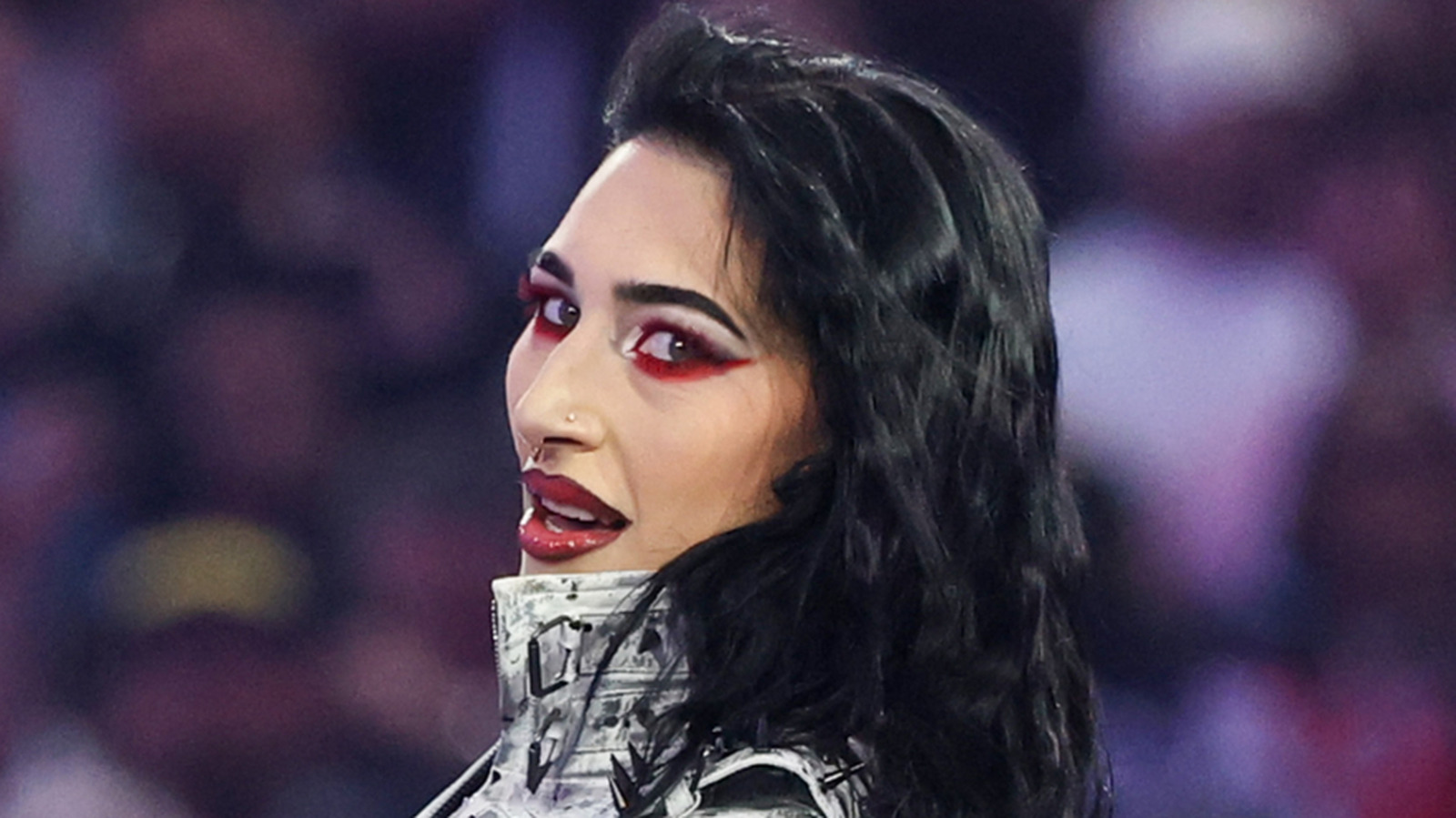
Rhea Ripley is sidelined with an injury that will force her away from the squared circle for an extended period. Sources confirm the physical setback has triggered a complete rework of the WWE women's division creative roadmap.
The internal expectation is that Ripley will be absent for a significant window. This leaves the championship status in immediate flux. Whenever a top-tier champion goes down, the promotion faces an uncomfortable choice between an interim title run or a full vacancy event.
Tactical shifts in the division
As reported by Wrestling Inc, the implications for the roster are severe. Ripley has been the anchor of the women's division for months, serving as the antagonist or the powerhouse catalyst for nearly every major program. Her inability to defend the hardware complicates the immediate booking cycle.
Missing talent changes the pacing of secondary feuds. If the primary champion is out, mid-card wrestlers who were built to chase that high-profile belt now find themselves in a creative vacuum. The shift requires WWE to elevate existing stars faster than planned or lean heavily on legacy faces who can draw without a structured championship pursuit.
Historical context and risk management
The history of championship vacancies is plagued by uneven audience reactions. From Shawn Michaels relinquishing the World Heavyweight Title in 1997 to Finn Balor vacating the Universal Championship in 2016, the loss of momentum is almost inevitable. The goal is damage control.
This injury highlights the ongoing friction between high-intensity in-ring styles and long-term health. The current WWE schedule offers little downtime, increasing the probability of wear-and-tear injuries. When a performer works a heavy schedule of high-impact moves like the Riptide, the cumulative structural stress eventually hits a breaking point.
Operational impact
The booking team now has to manage a roster where the focal point of the weekly television broadcast is missing. This usually leads to a reliance on contract-signing segments and promo-heavy rivalries that lack the finality of a sanctioned match. Audience fatigue can set in quickly during these transition phases.
Strategic focus will likely shift toward tournament-style builds or a rumble-style match to determine a successor. However, these solutions are stopgaps. Without a dominant champion to test the next generation of talent, the division risks losing the distinct hierarchy established over the last year. The decision-makers are currently weighing whether to keep the gold on Ripley or initiate a tournament to replace her.
The lack of a specific return date remains the biggest hurdle for creative staff. If the window is 90 days or less, they might attempt to bridge the gap with interim feuds. If the recovery extends beyond that, a new champion is a mechanical necessity to maintain television viewership ratings.
This situation serves as a stark reminder of the vulnerability of current booking strategies. Relying on a singular, unstoppable force makes for great television in the short term, but provides no safety net when that force is removed. The promotion is now scrambling to ensure the vacancy does not deflate the momentum of the entire division.