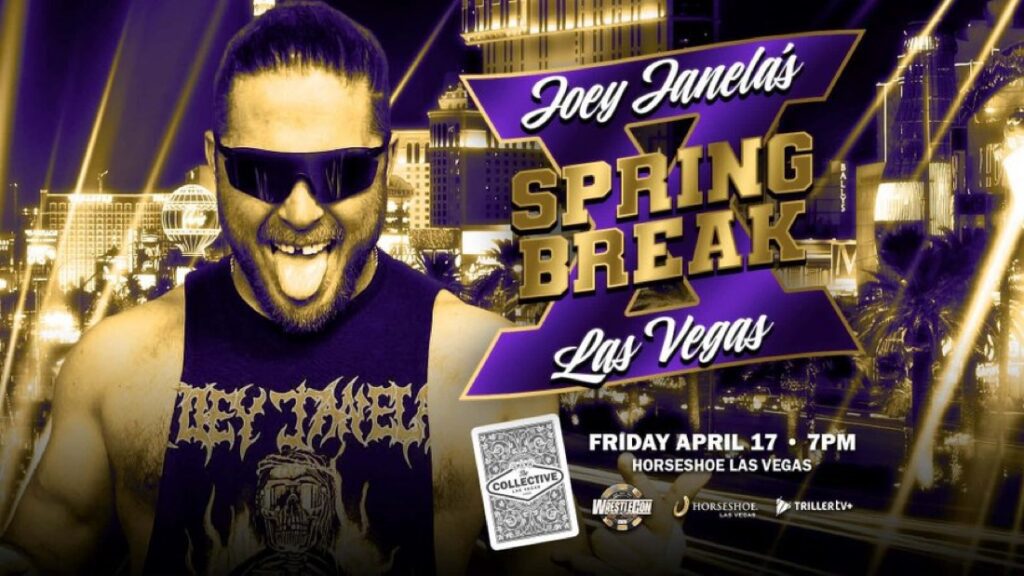
Forget the Stadium: Vegas's Real Wrestling Story Is In The Small Halls
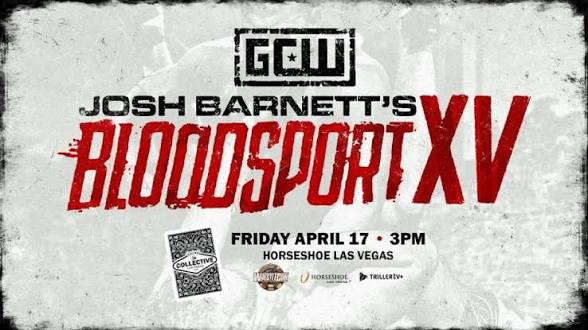
The Other Las Vegas Strip
Las Vegas smells like money and desperation. This weekend, it also smells like sweat and spilled beer. While the global marketing machine of WWE funnels tens of thousands of people towards Allegiant Stadium for WrestleMania 41, a different kind of pilgrimage is happening just off the main drag.
In smaller, grittier venues like the Horseshoe Las Vegas and Swan Dive, the heart of professional wrestling is beating loud and fast. This is The Collective, a coalition of independent promotions that descends on the WrestleMania host city each year. It’s a loud, chaotic, and gloriously diverse festival that serves as a powerful counterpoint to WWE’s polished monoculture.
While the stadium show will deliver spectacle, the real story of wrestling's artistic health and future direction is being written here. This isn't an opening act. It is the main event for anyone who cares about the craft itself.
A Symphony of Violence at Bloodsport
Nowhere is the contrast with mainstream wrestling more stark than at Josh Barnett's Bloodsport. Held on Friday, April 17th, the event strips wrestling down to its violent core. There are no ropes, no pinfalls. The only way to win is by knockout or submission. It’s a presentation that forces a different kind of analysis.
The main event between Timothy Thatcher and Charlie Dempsey was a masterclass in grappling theory. Thatcher, the stoic master of European catch-as-catch-can, and Dempsey, a second-generation bruiser with a sadistic streak, created a contest of levers and fulcrums. Every transition was a chess move, every submission attempt a potential checkmate. It was less a performance and more a physical argument over the most efficient way to break a human limb.
This wasn't an isolated incident. The entire card was a testament to combat authenticity. Shayna Baszler, whose MMA career gives her an unmatched predatory aura, faced off against Natalya Neidhart. This was a fascinating clash, pitting Baszler's raw, shoot-submission style against Neidhart's Dungeon-honed technical foundation. It told a story of teacher and student, but with the genuine threat of a snapped tendon.
Even the legends match between Josh Barnett and Yuji Nagata felt different. It wasn't a nostalgia act; it was a gritty, attritional fight between two aging lions who have forgotten more about grappling than most will ever know. Bloodsport is a necessary corrective, a reminder that at its heart, wrestling is about simulated combat. By removing the theatrical artifice, it makes the art itself more profound.
The Indie Buffet: Celebrations and Chaos
If Bloodsport represents one extreme of the indie spectrum, the rest of the weekend showcased its incredible breadth. On Saturday morning, GCW presented Effy's Big Gay Brunch, an event that is simultaneously a joyous celebration of queer culture and a showcase for seriously impressive in-ring action. It’s a party where everyone is invited and the wrestling slaps.
The headline match pitted the flamboyant, charismatic Effy against the severe, technical wizardry of Zack Sabre Jr. This was a perfect encapsulation of what makes indie wrestling so compelling. It was a clash of styles, characters, and philosophies. ZSJ, the best pure technical wrestler on the planet, contorted Effy into excruciating shapes, while Effy used his connection with the crowd and his brawling instincts to fight back. The match demonstrated that inclusivity and high-level workrate are not mutually exclusive concepts.
Just hours later, in the same venue, the vibe shifted dramatically for JCW's Strangle-Mania. This was a carnival of chaos, featuring a wild mix of established legends, recently released main-roster talent, and hardcore icons. The names tell the story: Rob Van Dam, KENTA, PCO, Vampiro, and the recently-rebranded Nic Nemeth.
Seeing Nemeth, free from the creative constraints of his former employer, felt significant. He was working with an urgency and freedom that was often missing in his later WWE years. These shows are a vital pressure valve for the industry, a place where established stars can reinvent themselves and reconnect with the core of their craft, away from the weekly television grind.
The Engine Room's Critical Flaw
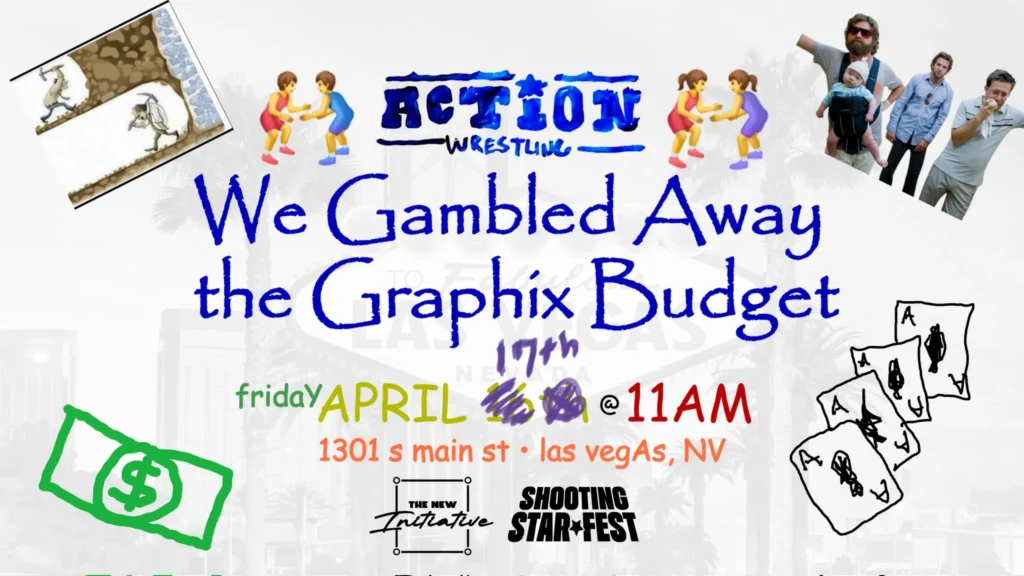
Not every show over The Collective weekend can be a slick, themed production. Some, like ACTION Wrestling's "We Gambled Away The Graphix Budget" on Friday, are about one thing: what happens inside the ring. This event at Swan Dive was a showcase of pure, unadulterated workrate, featuring a surprise IWTV Championship defense and a hard-hitting ACTION Championship match.
The card was loaded with talent. You had the surprisingly agile actor Paul Walter Hauser, the relentless brawler Mance Warner, and the vicious Japanese technician Fuminori Abe. The action was intense, the effort undeniable. These wrestlers are the engine room of the independent scene, putting on clinics for small but passionate crowds.
However, the event's title, while humorous, hints at a critical challenge for the indie scene. While the in-ring product is often stellar, the production values can be a barrier to entry for new fans. Without the sweeping camera angles, high-definition lighting, and crisp audio of a WWE or AEW broadcast, the responsibility to capture the audience's attention falls entirely on the performers. It creates an environment where the wrestling has to be phenomenally good just to feel professional.
This isn't a failure of the wrestlers, but a reality of the business. It's a high-wire act performed without a safety net. For the devoted, it's a raw and authentic experience. For a casual fan accustomed to slick production, the lack of polish can be jarring, making it harder to invest in the characters and stories being told, no matter how good they are.
The Real Future Is Forged Here
As the fireworks explode over Allegiant Stadium tonight, it will mark the culmination of a year of WWE storytelling. It will be loud, impressive, and will undoubtedly create moments that dominate social media for days. But the seeds of future WrestleManias are not being planted in that stadium.
They are being planted in these smaller, sweat-soaked halls. The diversity of styles on display—from Bloodsport's brutal realism to Effy's celebratory grappling—is a creative laboratory that the larger companies will inevitably draw from. The next breakout star, the next innovative match concept, the next compelling character is more likely to emerge from The Collective than from a corporate writer's room.
This weekend in Las Vegas proved that professional wrestling is not a monolith. It is a sprawling, vibrant ecosystem of different philosophies and presentations. While WrestleMania delivers the blockbuster movie, the indie scene provides the film festival: challenging, experimental, and, for the discerning fan, ultimately more rewarding. The real main event was happening all weekend, long before the first bell rang at the stadium.
Read Next
WWE Jey Uso YEET Authentic T-Shirt
Join the YEET movement with Jey Uso's viral catchphrase tee.
More Coverage
Why the Scenic City Invitational is still the gold standard for indies
11 hours ago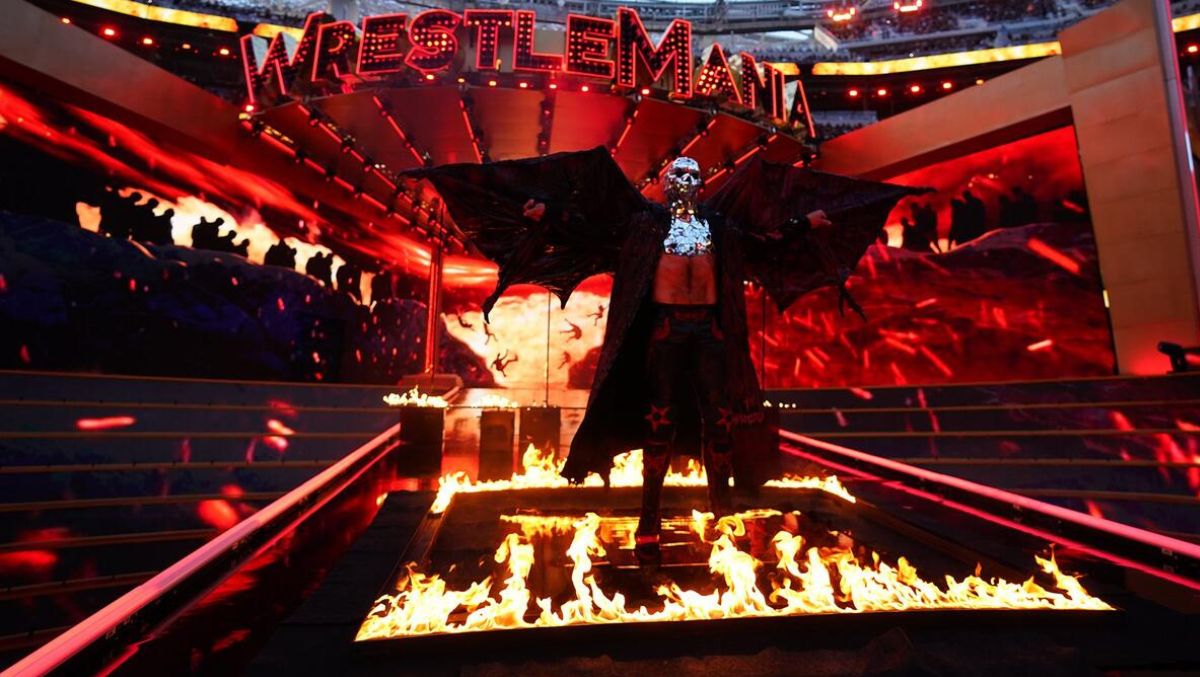
Top 10: Most Controversial WrestleMania Moments Involving Pro Wrestling Legends
2 days, 22 hours ago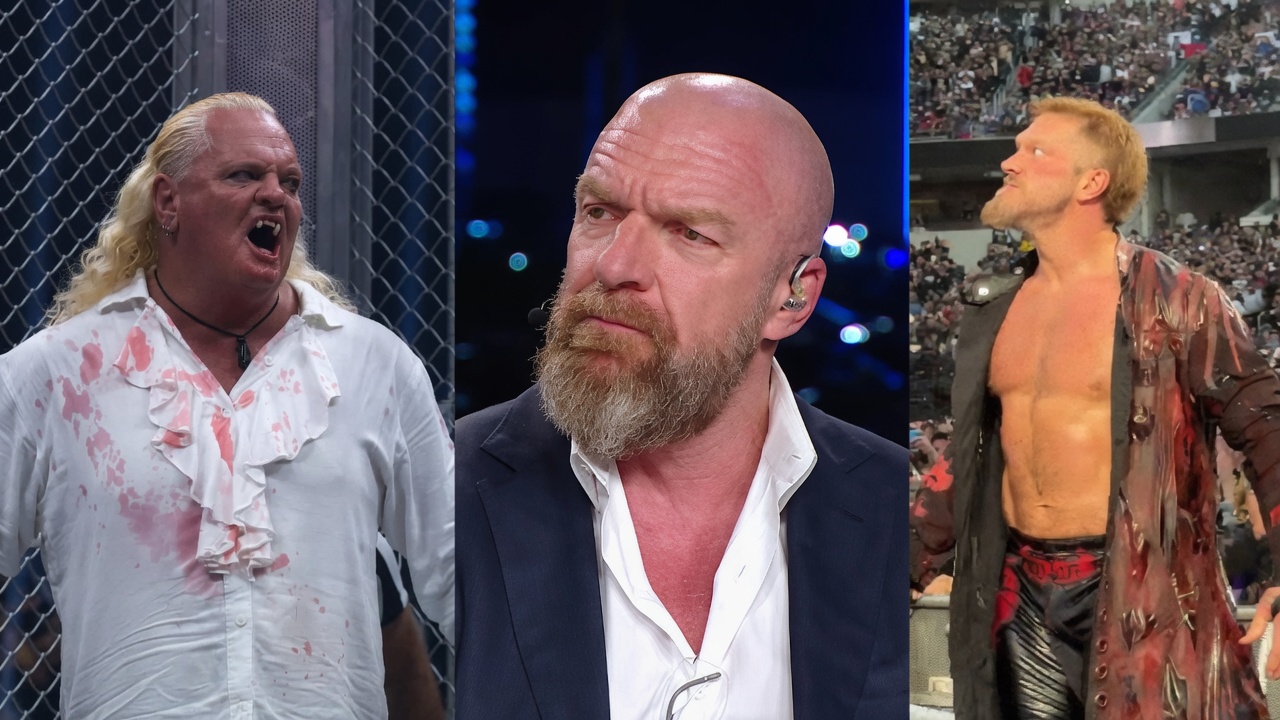
Gangrel says Triple H blocked the Brood reunion and fans are losing their minds
3 days, 2 hours agoSantos Escobar hits the indie circuit and the internet is losing its mind
4 days, 13 hours ago
WWE keeps blurring the lines between their brand and the indie scene
4 days, 20 hours ago
Indie departures and the strange case of Killer Kross
5 days, 22 hours agoMore Analysis
WrestleMania 41 is a corporate blockade of the Las Vegas strip
3 months agoLas Vegas is about to learn that indie wrestling doesn't play by the rules
3 months, 2 weeks agoGCW MDK Fight Club is the perfect Vegas counter-programming
3 months ago
Las Vegas is turning into the wrestling capital of the world this April
3 months, 2 weeks ago
Vegas is already burning down and WrestleMania 41 hasn't even started
3 months ago