The perimeter is already compromised
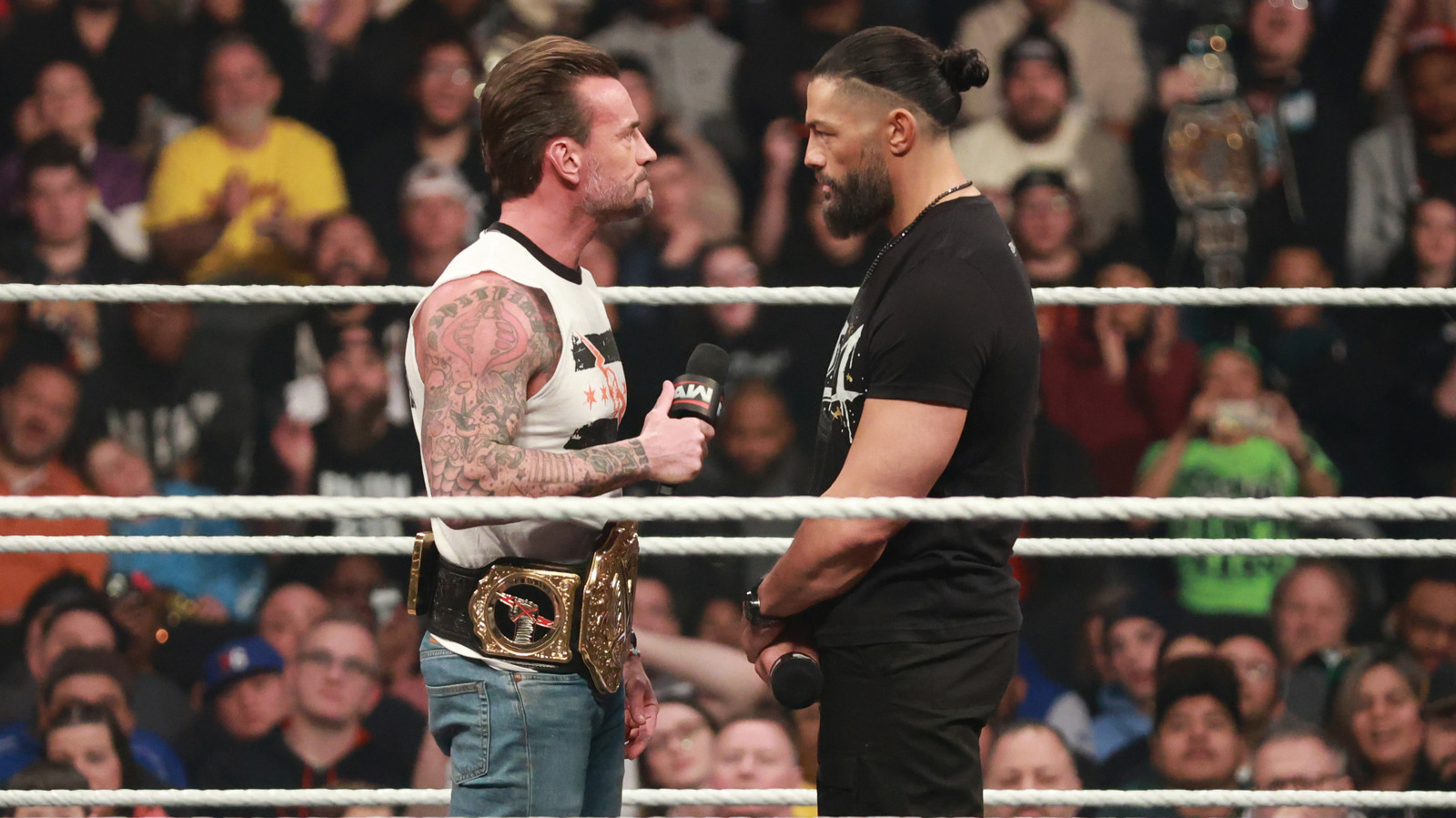
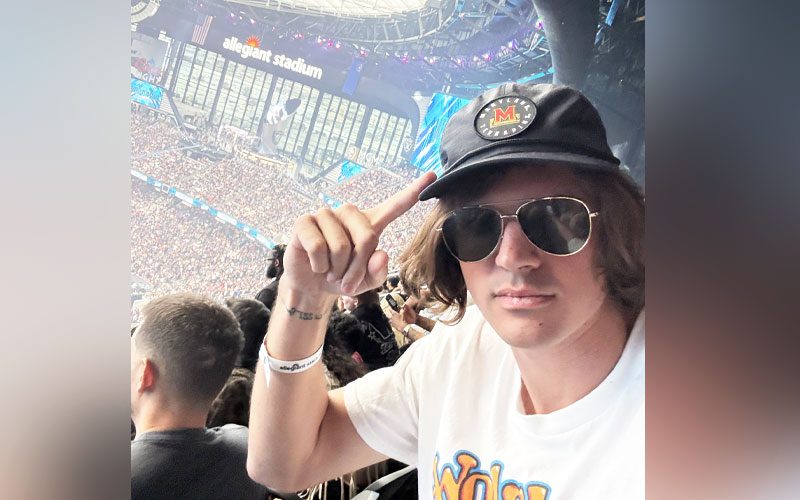
Allegiant Stadium is buzzing tonight. We are hours away from the WrestleMania 41 Night 2 main event. Cody Rhodes defends the WWE Championship against Roman Reigns. But while everyone is analyzing the Bloodline's interference patterns, a completely different threat is looming ringside.
The real wildcards tonight are not on the active roster. They are holding iPhones, chasing clout, and treating WWE's security protocol like a minor inconvenience. Content creators have weaponized trespassing.
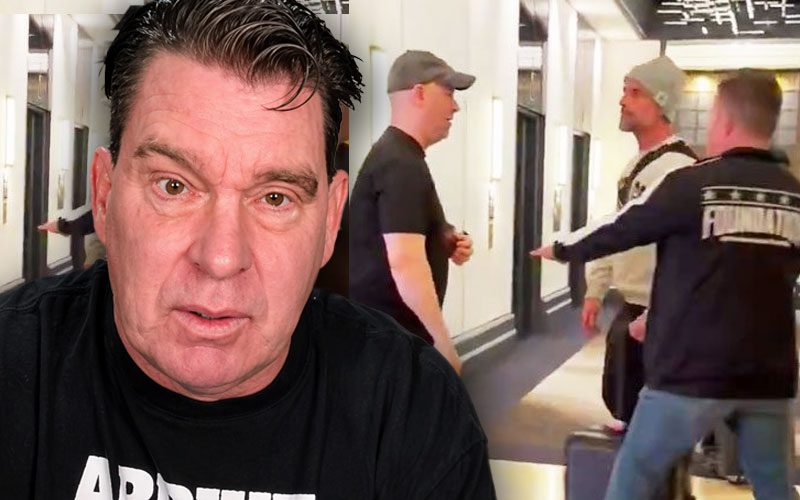
We just watched GFed dare WWE to catch him after sneaking back into a major show. He was kicked out one night, only to return the very next evening and make sure the promotion saw him. This was not a minor slip-up by arena staff. It was a calculated breach of a multi-million dollar perimeter. Tonight in Las Vegas, the stakes are exponentially higher.
Tracing the evolution of the pitch invader
Let us rewind to the attitude era for a benchmark. Back then, fan interference was raw, alcohol-fueled, and completely random. A guy would jump the rail because he had too many beers and thought he could take Stone Cold. Today, the motive is purely economic.
The modern pitch invader is an entrepreneur. They have camera operators in the stands. They have monetization strategies ready to go the moment the clip hits social media. This shift from drunken stupidity to calculated business strategy is exactly why traditional security measures are failing.
Let us look at the numbers. Allegiant Stadium holds over 60,000 fans. The floor layout for a WrestleMania features an unusually long entrance ramp, typically extending over 50 yards. That creates a massive perimeter to defend. WWE uses a mix of private contractors, local Las Vegas police, and their own internal security team.
But the tactical deployment is heavily weighted toward the hard camera side and the entrance aisle. The corners near the timekeeper's area are historically vulnerable. Security guards are positioned to protect the visual product on television, leaving huge blind spots in the dark corners of the floor.
Why the main event is the optimal target
My prediction is straightforward. Someone is going to jump the barricade during the main event tonight, and WWE's broadcast team will be forced to cut the camera feed. The odds of a clean, uninterrupted main event are shrinking by the hour.
The GFed situation proved that the deterrents simply do not work. When the reward is millions of views and the penalty is a generic stadium ban, the math heavily favors the trespasser. Consider the timing. Roman Reigns works a very specific, deliberate pace.
His main events average roughly 28 minutes. There are long stretches of ringside brawling, methodical pacing, and trash-talking near the barricade. This creates the perfect window for a rogue fan. A creator looking for viral fame is not going to jump the rail during a fast-paced cruiserweight exchange. They are going to wait until Reigns is standing over Rhodes, soaking in the boos. That is maximum visibility.
The operational failure of stadium security
Look at Roman's defensive shell. He uses the ring apron as a physical barrier better than anyone in the industry. He rolls to the outside to break momentum. He uses the barricade to trap opponents' arms. All of this brilliant ring generalship relies on the assumption that the floor is a sterile zone.
If a fan breaches that zone, Reigns has to drop his character and protect himself. We are asking professional athletes to perform high-level stunts in an unsecured environment. It is completely unacceptable.
WWE's security has a glaring flaw. They are trained to watch the talent, not the crowd. Watch the guards during any major premium live event. Their backs are to the fans at least 30 percent of the time when the action spills outside. That is a massive operational failure.
If a guy like GFed can openly mock the promotion about sneaking back in, the system is fundamentally broken. It is a completely reactive setup. Let us break down the physical barrier. The barricade is roughly four feet high. An athletic person can clear it in less than a second.
Once over, they have a minimum of three seconds before a guard can close the distance and initiate a tackle. In the broadcast world, three seconds is an eternity. It ruins the immersion. It breaks the tension. And more importantly, it introduces a terrifying unknown into a choreographed match.
The financial implications are massive. Sponsors pay a premium for clean, brand-safe broadcasts. If a fan in a branded t-shirt for an energy drink or an illegal gambling site makes it into the ring during the climax of WrestleMania, WWE has a disaster on their hands. The camera cuts away, the announcers have to stall, and the narrative momentum dies instantly.
Cody Rhodes and the tempo problem
Tonight's main event requires absolute precision. Cody Rhodes is a tempo wrestler. He builds his matches in distinct, escalating chapters. The first ten minutes are usually technical grappling. The middle ten are heat segments where he takes heavy punishment. The final ten are pure adrenaline.
His finishing sequence requires a pristine environment. If a fan jumps the rail at the 22-minute mark, the entire psychological build is destroyed. Rhodes cannot simply pause for three minutes while security wrestles a teenager to the concrete, and then seamlessly resume a high-drama near-fall. The match is ruined.
Allegiant Stadium presents unique logistical headaches. The sightlines are beautiful for broadcasting, but the physical space between the front row and the barricade is incredibly tight in certain sections. The NFL requires a specific setback for player safety, but WWE alters this configuration to maximize ticket sales.
They pack the floor seats so tightly that security personnel physically cannot move laterally at full speed. If a breach happens in section F, a guard in section D has to weave through a maze of folding chairs to help. By the time they arrive, the trespasser is already in the ring.
The total failure of the blacklist
The GFed precedent is the ultimate proof of systemic failure. When a known agitator is ejected, their photo should be circulated to every single entrance gate instantly. The fact that he returned the very next night means the communication breakdown is absolute.
Ticket scanners at the gates are looking for valid barcodes, not blacklisted faces. Facial recognition technology exists. Las Vegas casinos use it ruthlessly. If you count cards at the Bellagio, you are identified before you reach the blackjack table.
Yet WWE, running a premium live event in the exact same city, cannot stop a YouTuber from walking through the front door twice. It is a stunning indictment of their priorities.
Here is the most critical observation. WWE does not prosecute these individuals aggressively enough. A stadium ban is useless when the person can just wear a disguise or use a friend's ticket app. Until WWE starts filing massive civil lawsuits for tortious interference, the clout chasers will keep coming.
The legal department is entirely too passive. They send a stern warning, maybe hand them over to local police for a misdemeanor trespassing charge, and move on. That is not a deterrent. It is a minor business expense for a viral channel.
Final Prediction
Las Vegas is the wrong city to rely on passive security. The town is filled with opportunists. Allegiant Stadium is a modern marvel, but its open floor plan on the lower levels makes it a nightmare to perfectly secure. Tonight, the pressure is on the yellow-shirted guards just as much as it is on Cody and Roman.
The match itself will likely be a masterpiece, assuming it can be finished cleanly. Rhodes has refined his striking. Reigns has perfected his defensive posturing. When they lock up, it is a masterclass in ring psychology. But the outside noise is deafening.
My final prediction is a dual one. Cody Rhodes will retain the WWE Championship in a grueling war. But before the referee counts to three, we will see a chaotic, unscripted interruption by a fan attempting to hijack the spotlight. WWE will cut the camera to a wide shot of the stadium. Pat McAfee will have to awkwardly cover the dead air. And tomorrow morning, the viral clip of a streamer being tackled by security will have more views than the actual match finish.
Read Next
- Fans are completely divided over the chaos of WrestleMania 41 Night 2
- Cody Rhodes will finally end the Bloodline saga at WrestleMania 41
- Cody Rhodes and the Bloodline are about to hit the point of no return
- WrestleMania 41 Night 1 is the John Cena funeral we aren't invited to
- 🏆 WrestleMania 41 — Full Coverage Hub