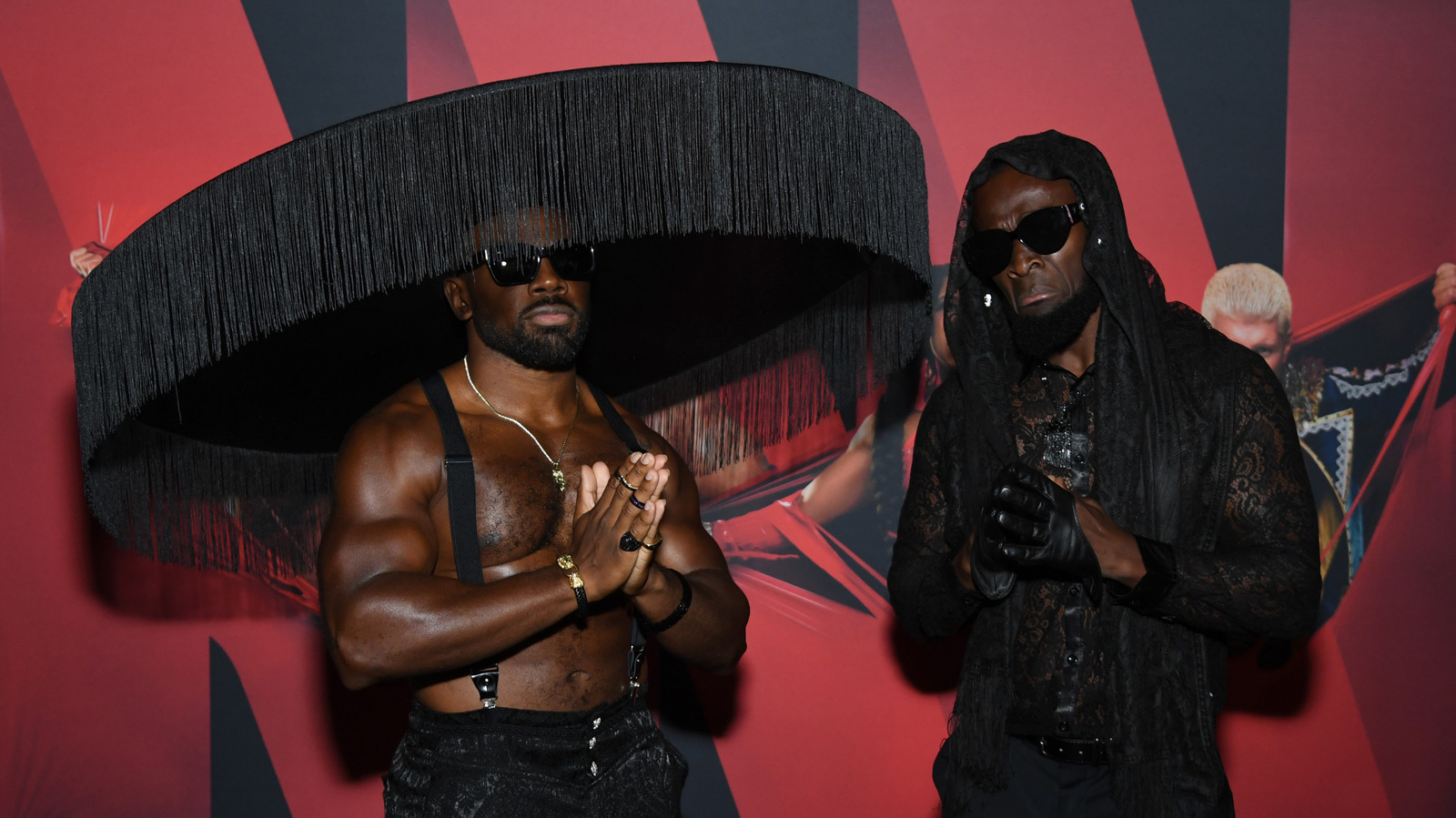
The unthinkable roster cut
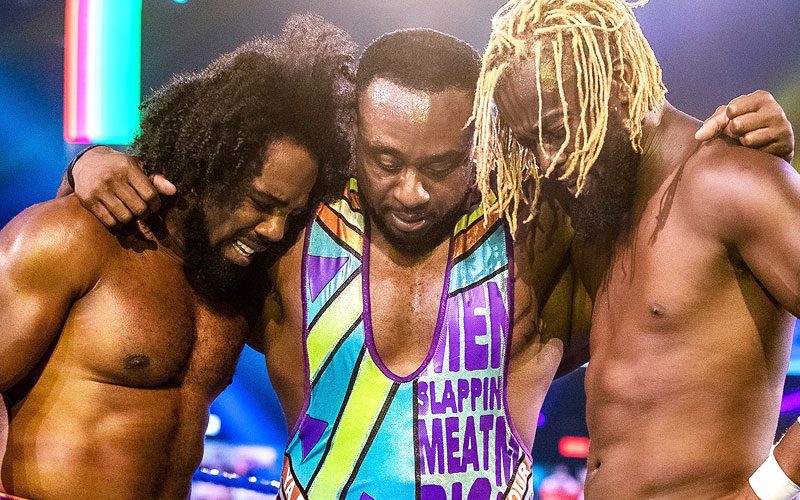
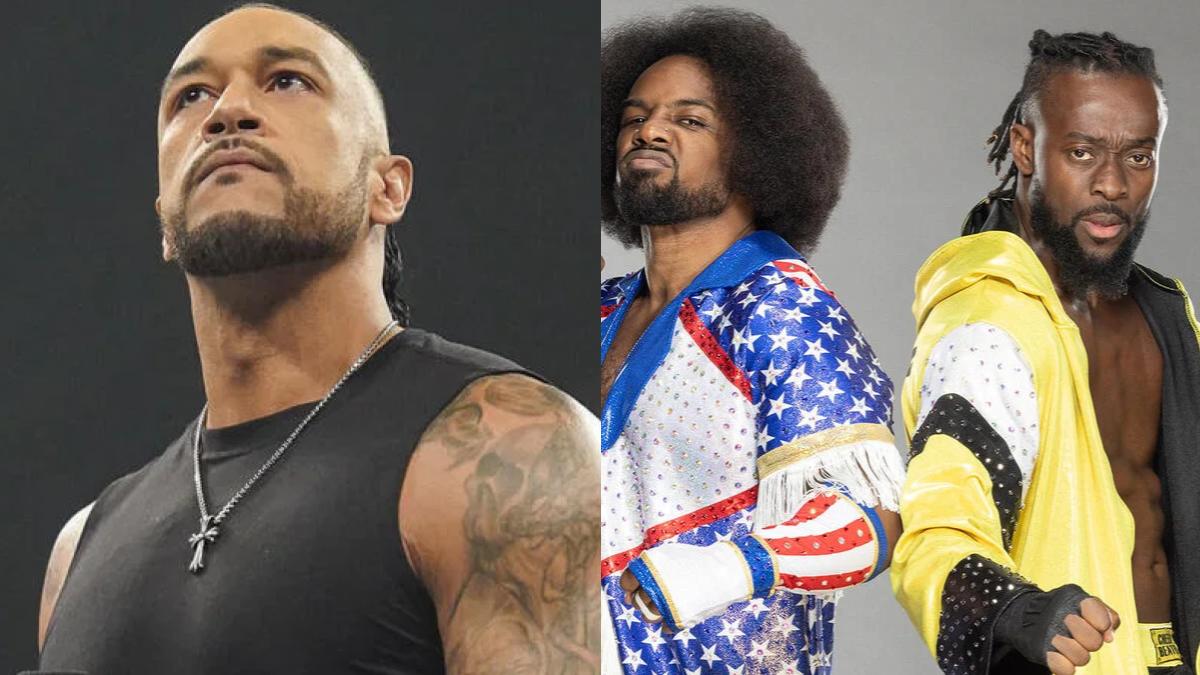
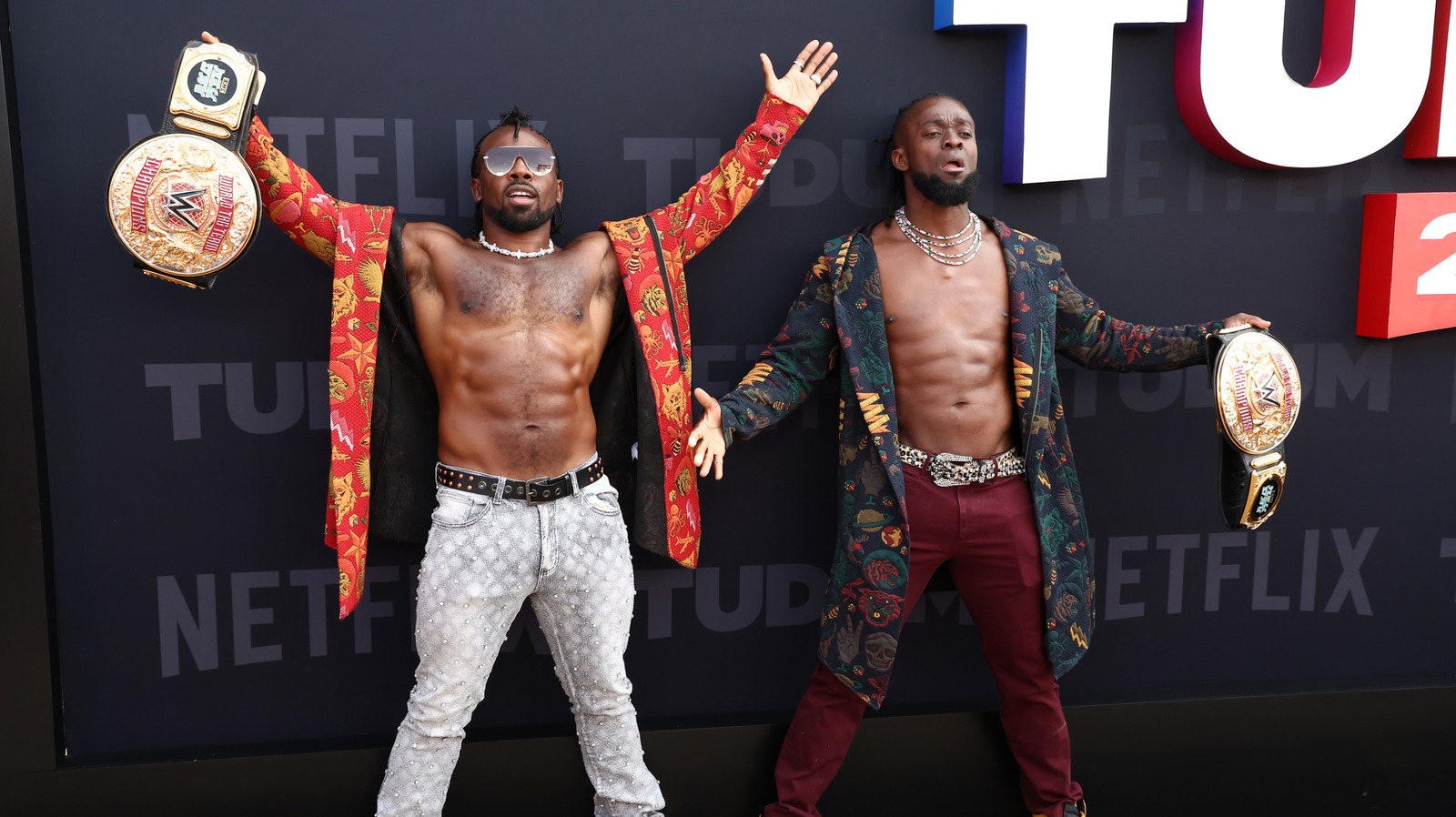
You don't usually cut a 12-time championship team. That is the fundamental math of professional wrestling. You keep them around to sell nostalgia merchandise, anchor live events, and occasionally put over the next generation. Yet, on May 2, WWE released Kofi Kingston and Xavier Woods, effectively ending the most statistically dominant tag team run in the company's modern era.
The news, first reported by Wrestling Inc, sent a jolt through a fanbase still coming down from WrestleMania 41. Kingston and Woods weren't just veterans. They were an institution.
When you look at the raw data, their departure feels jarring. The New Day holds the record for the longest tag team championship reign in WWE history at 483 days. That run stretched from SummerSlam 2015 to Roadblock: End of the Line in December 2016. It wasn't just a long reign; it was a division-defining marathon.
To put that number in perspective, the average WWE tag team championship reign over the last decade lasts roughly 74 days. The New Day held the belts for nearly seven times the modern average. They defended those titles on television and pay-per-view 52 times during that specific reign. That means they were effectively wrestling a title match every single week for over a year. The physical toll of that schedule is immense.
A decade of statistical dominance
Survival in WWE is notoriously difficult. The average tag team lifespan on the main roster rarely exceeds three years before a breakup angle or a draft separation. The New Day debuted as a trio in November 2014. They lasted over 11 years without a single betrayal angle.
In an industry built on constant turns and betrayals, that is a statistical anomaly. They defied the gravity of wrestling booking. They sold merchandise, moved ratings, and adapted across multiple eras of management.
To truly understand the weight of 12 title reigns, you have to look at the teams they passed. The Dudley Boyz hold 9 WWE tag team championships. Edge and Christian secured 7. The Hardy Boyz sit at 6.
The New Day lapped the Attitude Era's holy trinity. They did it during an era with more television hours, sure, but also with a significantly larger roster competing for those same spots. They were featured on over 400 episodes of Monday Night Raw and Friday Night SmackDown.
The post-WrestleMania churn and the TKO effect
Spring cleaning in WWE is a tradition, but the metrics of this year's cuts are revealing. Alongside Kingston and Woods, Tanga Loa and JC Mateo were also released, as noted by PWInsider.
Tanga Loa's release is particularly striking. He didn't have the 11-year runway of The New Day. He barely had time to establish a win percentage on the main roster. Since arriving, his television utilization rate was abysmal. He was involved in fewer than 15 televised matches.
Tanga Loa's brief run serves as the perfect contrast. He was brought in with much fanfare, expected to bolster The Bloodline narrative. Yet, his performance metrics were disastrous. He averaged less than 4 minutes of ring time per televised appearance. His striking accuracy and ring positioning were heavily criticized by fans and analysts alike.
In previous eras, management might have sent him to NXT for retooling or kept him as a silent enforcer to justify the contract. In the TKO era, poor performance metrics lead directly to the exit. His release, alongside developmental talent like JC Mateo, shows a tightening of the development pipeline. You either produce immediately, or you are replaced.
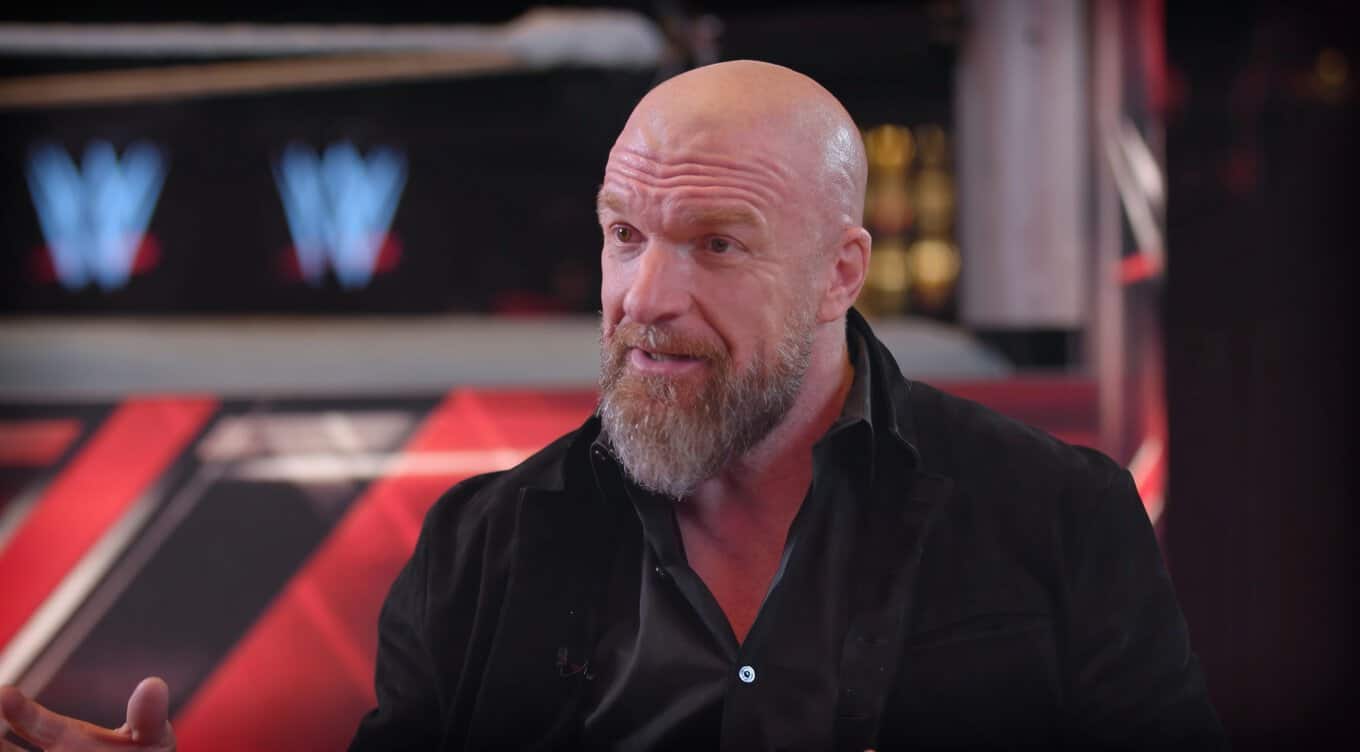
This brings up a counterintuitive point regarding WWE's leadership. According to Eric Bischoff, speaking recently about the company's structure:
"Triple H's position at WWE is more secure now than it was two years ago despite TKO creative interference."
You might assume a secure creative director would protect tenured, beloved talent.
Instead, the opposite is happening. A secure Triple H, operating under the TKO umbrella, is making colder, more calculated roster decisions. He isn't holding onto the past. The safety net of the McMahon family business is gone, replaced by a ruthless evaluation of roster spots. If your contract outpaces your current television value, you are vulnerable.
The brutal truth of their final act
For all the celebration of their history, we have to look at why they were cut now. The harsh reality is that their act went stale. The pancake-throwing, trombone-playing gimmick stopped evolving around 2021.
While the rest of the roster shifted toward more grounded, character-driven storytelling under Triple H, The New Day remained frozen in a comedy presentation. The dissonance was loud. They felt like legacy code running on a new operating system.
The numbers tell a story of recent stagnation. If you track their televised win-loss record over the last 18 months, the decline is sharp. They transitioned from featured attractions to enhancement talent for younger teams.
Their television segments consistently lost viewers in the quarter-hour ratings breakdowns over the last year. When a 12-time championship team starts acting as a bathroom break for the live crowd, the writing is on the wall.
Managing a roster of over 250 active in-ring performers requires strict rotational booking. When you have a team like The New Day, pulling a high salary but occupying a lower-midcard slot, the cost-per-appearance ratio becomes unfavorable. They were making main-event money to work six-minute television matches.
Looking at the individual metrics
It is impossible to discuss these releases without looking at the individual resumes involved. Kofi Kingston leaves behind an absurd statistical legacy. Before The New Day even formed, he was a highly decorated singles star.
He accumulated 4 Intercontinental titles, 3 United States titles, and 1 unforgettable WWE Championship run. That title victory at WrestleMania 35 was the culmination of an 11-year chase. Kingston wrestled exactly 1,023 matches in WWE before finally winning the world title.
Xavier Woods, often viewed as the sidekick, carved out his own statistical relevance. He leaves with the tag titles and a 2021 King of the Ring crown. However, his singles win percentage following that tournament victory plummeted. Over the next two years, his televised singles win rate dropped below 30 percent.
He was the glue that kept the trio functional, the mouthpiece that got them over when they were failing as babyfaces in early 2015. But without the faction operating at peak levels, Woods struggled to find consistent television time as a solo act.
What this means for the division
WWE is currently preparing for Backlash 2026, just days away on May 9. The tag team division they leave behind is unrecognizable from the one they dominated.
Triple H's booking philosophy inherently works against large tag team divisions. If we analyze the match counts on premium live events over the last two years, the average card features just five or six matches. Compare this to the previous era, where cards regularly bloated to eight or nine matches.
Fewer matches mean fewer available slots. When main events are taking up 40 minutes for entrances and in-ring action, the middle of the card gets squeezed. A tag team needs to be drawing massive heat or moving substantial merchandise to justify a spot on a five-match card.
The New Day simply wasn't hitting those metrics anymore. In 2016, they were a top-five merchandise seller globally for the company. By early 2026, they had fallen out of the top 20, surpassed by a new generation of singles stars.
Without The New Day taking up oxygen, television time opens up. The upcoming SmackDown lineup is already reflecting this shift, prioritizing new angles over established nostalgia acts.
But losing a reliable, utility-player team creates a vacuum. When a top team goes down with an injury, WWE has historically plugged The New Day into the title picture. They were the ultimate fail-safe. If a pay-per-view card was running short, you gave The New Day 15 minutes and they delivered a four-star match.
Removing that fail-safe means the current creative team has to actually build new contenders. They can't just hit the emergency glass and pull out Woods and Kingston to pop a crowd.
The final tally
The release of Tanga Loa, JC Mateo, and now two-thirds of The New Day signals a hard reset. The math is clear: tenure means nothing. Past merchandise sales mean nothing.
We are watching the corporatization of the WWE roster in real-time. Under TKO, the sentimentality that kept veterans employed well past their prime has been stripped away. Every roster spot is scrutinized against the bottom line.
Kofi Kingston and Xavier Woods beat the system for a decade. They turned a terrible gimmick into a Hall of Fame career. They sold millions in merchandise and anchored the tag team division through its bleakest periods.
But the house always wins eventually. The numbers finally caught up to The New Day.