The number that matters most isn't the championships. It is 4,300. That is roughly how many days Kofi Kingston, Xavier Woods, and Big E operated as a collective unit in WWE.
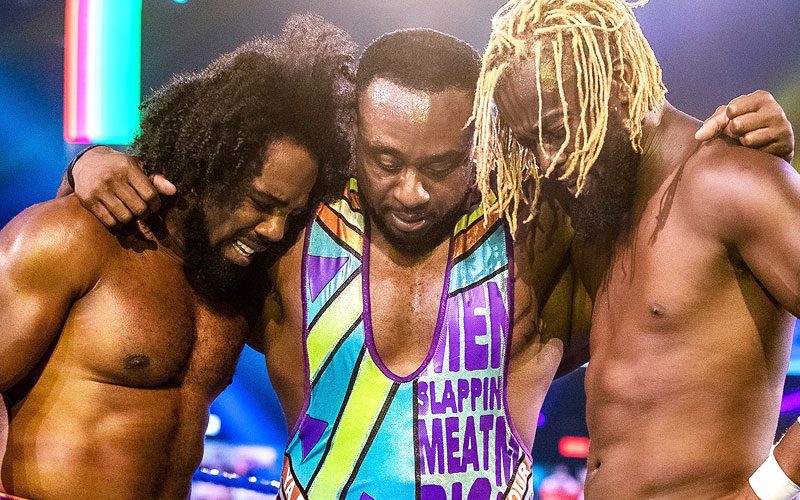
When Kingston and Woods quietly exited the company this week, prompting an emotional reaction from the sidelined Big E, it didn't just end a faction. It closed the book on the most statistically overwhelming tag team of the modern era. They outlasted Evolution. They outlasted The Shield. They survived brand splits, devastating neck injuries, and drastic shifts in corporate ownership.
You can measure their career in catchphrases or merchandise sales, but the raw data tells a much more compelling story. The New Day did not just participate in the tag team division. For nearly a decade, they artificially inflated its value.
12 titles and 483 days
The primary metric is 12. That is how many tag team championships the group won collectively. They secured the Raw Tag Team titles four times, the SmackDown titles seven times, and made a brief detour to grab the NXT Tag Team Championship in late 2022.
For context, The Dudley Boyz won nine tag titles in WWE. The Hardy Boyz won eight. Edge and Christian secured seven. The New Day blew past the Attitude Era icons through sheer attrition and adaptability. They simply refused to break up when typical wrestling booking dictated they should.
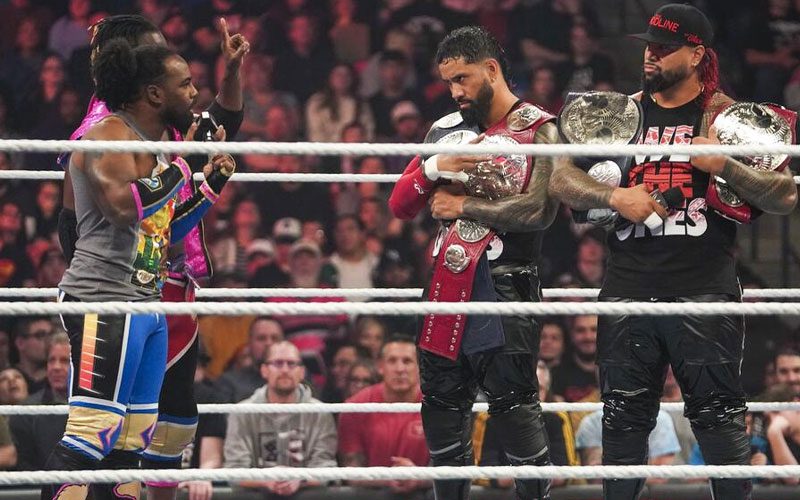
Then there is the 483-day reign. From August 2015 to December 2016, they held the Raw belts hostage. It was an astonishing number at the time, shattering Demolition's 25-year-old record of 478 days. While The Usos eventually surpassed them with a 622-day run, The New Day's peak came during an era of constant title changes.
Holding a belt for over a year in 2015 required dodging Vince McMahon's notorious booking whims on a weekly basis. They defended those titles on television 32 times during that specific run. That averages out to a title defense roughly every 15 days. It is a work rate that modern champions simply do not attempt.
Recalibrating match times
Tag team wrestling in WWE is historically treated as television filler. The New Day forced the company to treat it as a main event draw. If you pull the data on their premium live event matches from 2016 to 2019, you see a sharp upward curve in match time.
Before their rise, average WWE tag title matches hovered around the eight-minute mark. When The New Day feuded with The Usos in 2017, they completely recalibrated the scale. Their Hell in a Cell match in October 2017 clocked in at 22 minutes and 20 seconds. Their SummerSlam kickoff match earlier that year ran over 19 minutes.
They were regularly wrestling longer, more physically demanding bouts than the world champions on the same card. Over their existence, the group wrestled over 500 televised matches. When you factor in untelevised live events, that number eclipses 1,200.
The Freebird anomaly
The physical toll of that schedule is brutal, which explains the necessity of their structure. Most factions use the "Freebird Rule" as a cheap gimmick to avoid defending the belts. The New Day turned it into a mathematical advantage.
By rotating Kingston, Woods, and Big E, they effectively reduced the physical impact of a standard WWE schedule by 33 percent. One man rested while the other two worked. This rotation allowed them to incubate two eventual WWE Champions.
Kofi Kingston’s 2019 title run and Big E’s 2021 cash-in were direct results of the faction’s built-in support system. "KofiMania" was not a sudden organic surge. It was the result of a five-year investment by fans who had watched the trio dominate the undercard.
Woods never won the world title, but his 2021 King of the Ring victory completed a rare trifecta of major individual accolades. A closer look at the data reveals a surprising fact: Woods was the engine. Woods was the legal man for the pinfall in nearly 45 percent of their televised victories during their prime. He absorbed the heat, took the worst bumps, and allowed Big E to clean house.
The economic driver
Beyond the ring, their numbers at the merchandise stand were absurd. In early 2016, they achieved something virtually impossible for a tag team. They became the top merchandise sellers in the company, briefly eclipsing John Cena and Roman Reigns.
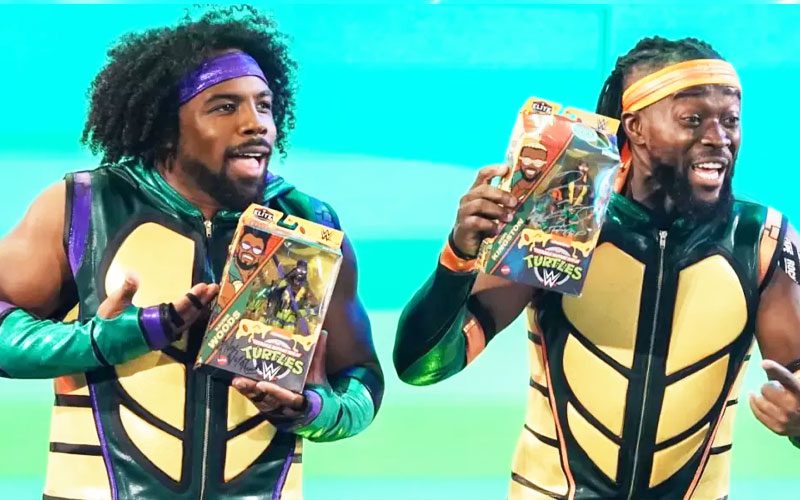
They sold unicorn horns, glowing grass skirts, and literal boxes of cereal. Booty-O’s started as a throwaway joke in a promo and became an actual product sold in FYE stores across America. The profit margins on a cardboard box of cereal sold to wrestling fans for $12 are astronomical.
They proved that a tag team could be a massive economic driver. WWE had not seen a group push merchandise at that volume since D-Generation X sold millions of glow-in-the-dark shirts in 1998.
The WrestleMania deficit
For all their dominance, The New Day’s record on the grandest stage is surprisingly poor. If you isolate their performances at WrestleMania, the data reveals a shocking blind spot for the greatest tag team of their era.
As a collective unit, competing in tag team or six-man action, they hold a dismal win rate at WrestleMania. They lost at WrestleMania 31 in the pre-show. They lost to the League of Nations at WrestleMania 32. They hosted WrestleMania 33 instead of wrestling. They lost a triple threat tag match at WrestleMania 34 to The Bludgeon Brothers in less than six minutes.
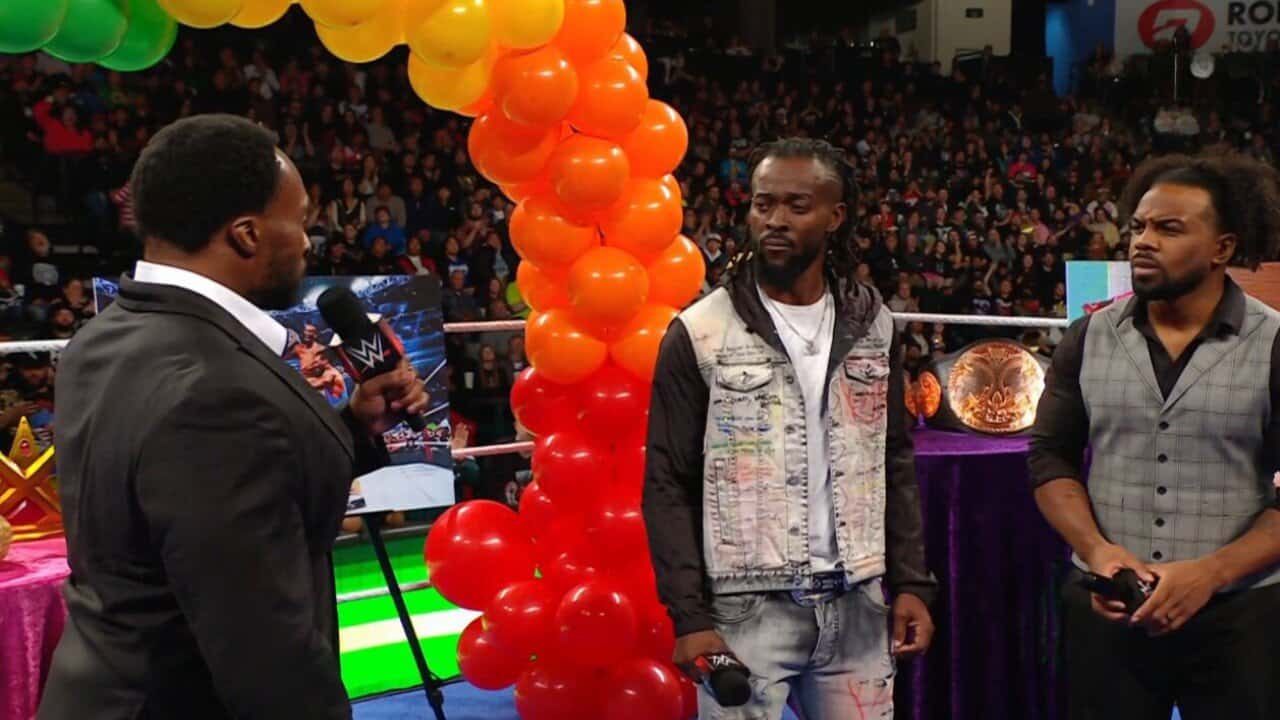
In fact, their most memorable WrestleMania moments rarely involved them winning matches as a team. Kingston’s historic WWE Championship victory at WrestleMania 35 was an individual triumph, albeit heavily supported by Woods and Big E at ringside. Big E’s emotional title victory came on an episode of Raw, not a stadium show.
When you map their premium live event victories, the vast majority are clustered around B-level shows. They dominated Battleground, Fastlane, and Extreme Rules. But when the lights were brightest in April, they were consistently booked as stepping stones for imposing monsters or makeshift celebrity tags. It is a bizarre statistical anomaly for a team that held gold 12 times.
The inevitable decline
But the numbers also tell a far less flattering story. The New Day of 2024 and 2025 was a hollow shell of its former self. Their exit this week feels overdue rather than premature.
If you look at their win percentage over the last three years, the decline is stark. During their 2015-2016 peak, they won over 65 percent of their televised bouts. By late 2024, that number plummeted below 35 percent. They transitioned from main-event anchors to nostalgia acts. They were brought out to pop a crowd and stare at the lights for younger teams.
They lost to Imperium. They lost to The Judgment Day. They lost to whatever makeshift duo Raw needed to push that month. The magic was gone.
Their final championship reign—the NXT Tag Team titles in late 2022—felt like a lifetime achievement award. They held the belts for just 54 days before dropping them to Gallus. It was a glaring indicator that the main roster division had moved on without them.
There were massive creative missteps along the way. The constant pancake throwing and trombone playing felt painfully stale by 2020. They refused to evolve their presentation. The decision to split them in the 2020 draft—sending Big E to SmackDown while Kingston and Woods stayed on Raw—fractured their momentum permanently.
WWE tried to have it both ways, claiming they were still a cohesive team while booking them on different shows. The data reflects the failure. Their combined merchandise sales dropped, and their match quality dipped without Big E's raw power to balance the high-flying sequences.
A legacy secured in data
With Kingston and Woods exiting the company, the WWE tag team division loses its ultimate safety net. For a decade, creative could always throw The New Day into a title match and guarantee a highly competent television segment.
Kingston leaves with 14 total tag titles to his name, tying Edge for the most in WWE history. Woods leaves as the most statistically prolific tag team specialist of his generation. Big E remains sidelined, a constant visual reminder of the physical cost of those 4,300 days.
Wrestling relies heavily on emotion, but The New Day's impact is permanently etched in the database. They were an anomaly in a system designed to chew up and spit out tag teams. We will not see a trio rack up these kinds of numbers again. The division now belongs to teams who grew up watching them rewrite the math of what a tag team could be.