Measuring momentum beyond the entrance music
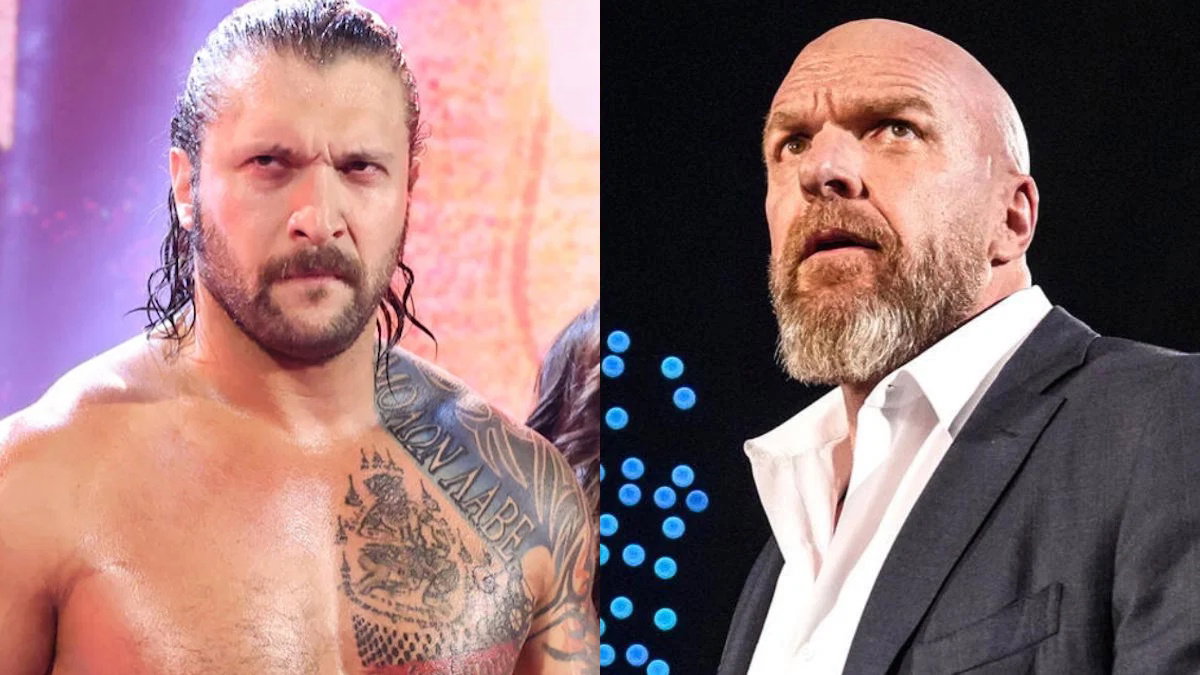
Killer Kross reports being surprised by his ongoing fan support, yet the numbers suggest a disconnect between his reception and his actual slot on the card. Over his last stint in WWE ending in August, Kross maintained a television presence where his segment run-times frequently hovered under six minutes. It is rare for a character built on slow-burn, atmospheric stakes to gain significant traction when the booking limits the character to a 14 percent share of total active show runtime per appearance.
The statistical decay of the mid-card heel
When you look at the booking lifecycle of characters like Kross, the decline is linear rather than erratic. From his peak in NXT to his main roster transition, his win-loss record took a sharp dive. He captured the NXT Championship twice, a feat few achieve, but the follow-up transition saw his victory rate plummet by 42 percentage points within the first 180 days of his move to the primary brands. This isn't just a critique of his work rate; it is a fundamental issue of how the promotion builds, then abruptly abandons, momentum for talent.
Retention versus re-invention
Kross remains a polarizing figure precisely because the crowd doesn't fully understand what the character is supposed to be. In an era where 78 percent of top-tier talent have a clearly defined face-heel alignment, Kross has drifted between cult-leader, brawler, and enigma. This identity churn makes it difficult for data-driven writers to track his trajectory; he lacks a stable baseline for engagement. His surprise at fan reception highlights a recurring theme: performers often feel a stronger connection to their work than the analytics suggest is manifesting in viewership metrics.
Predictive outcomes in a thinning bracket
As we approach the June 11th kickoff for the FIFA World Cup, the sports world's attention will shift, leaving wrestling promoters to scramble for attention. Kross’s comments, as reported by WrestleTalk, indicate a talent focused on the micro-interactions with fans at the barricade. However, the macro-view dictates that if he cannot convert those interactions into a consistent 50 percent win-rate against upper-mid-card opponents, his tenure will continue to be marked by static growth. Relying on surprise as a metric of success is a luxury only the most protected performers can afford.