The Gladiator who lost his armor
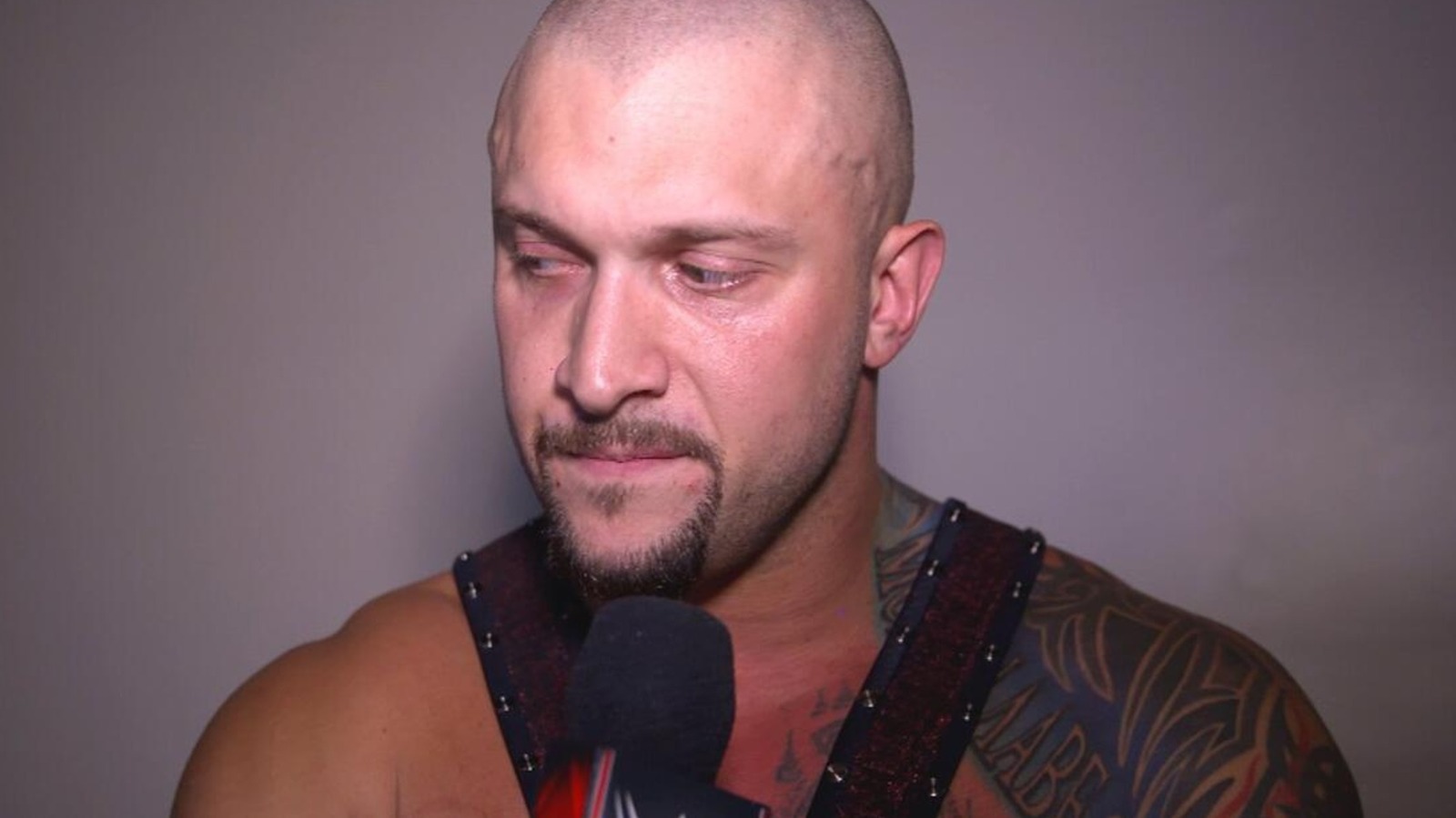
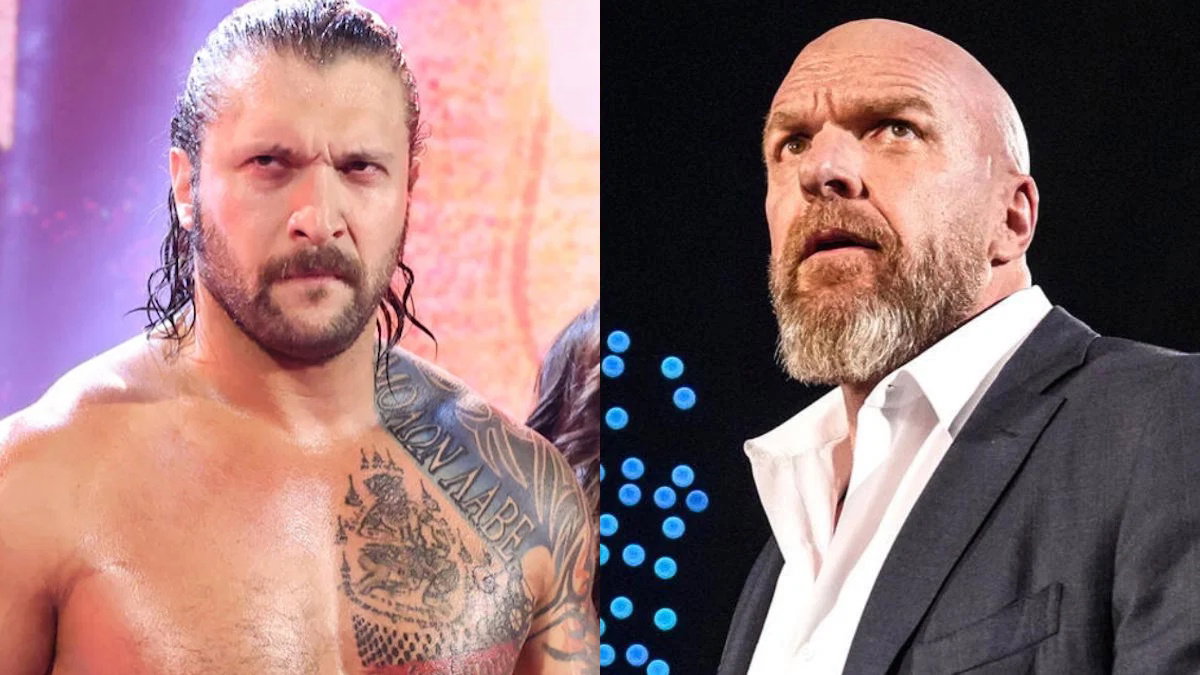
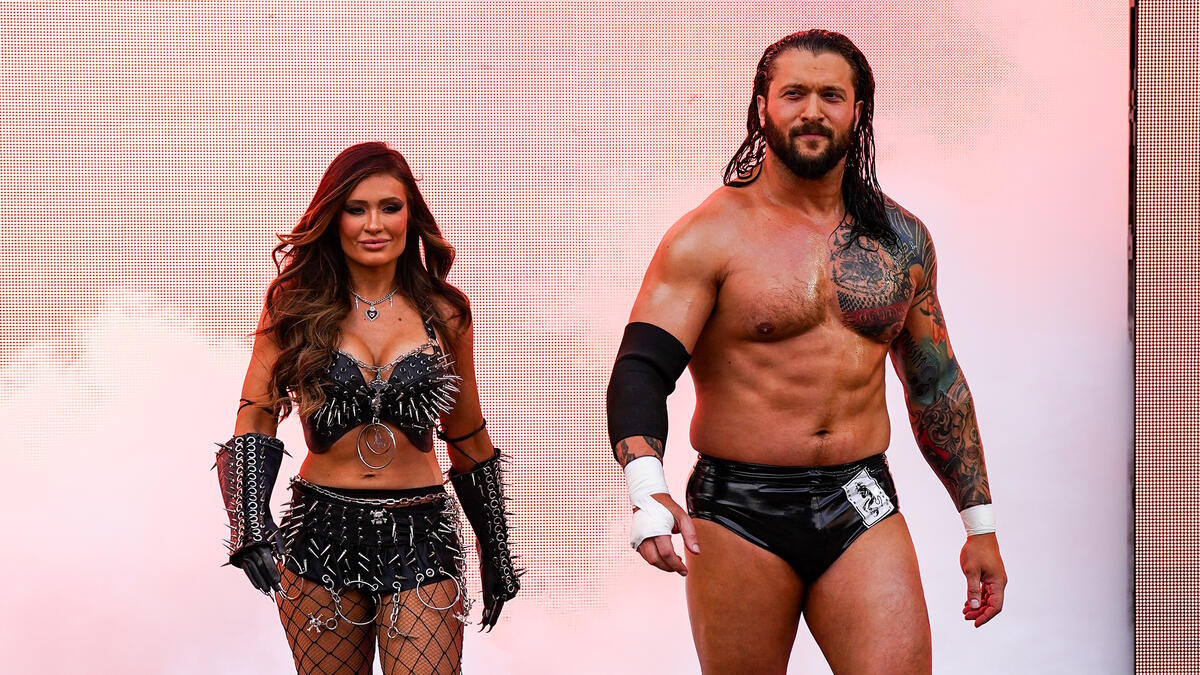
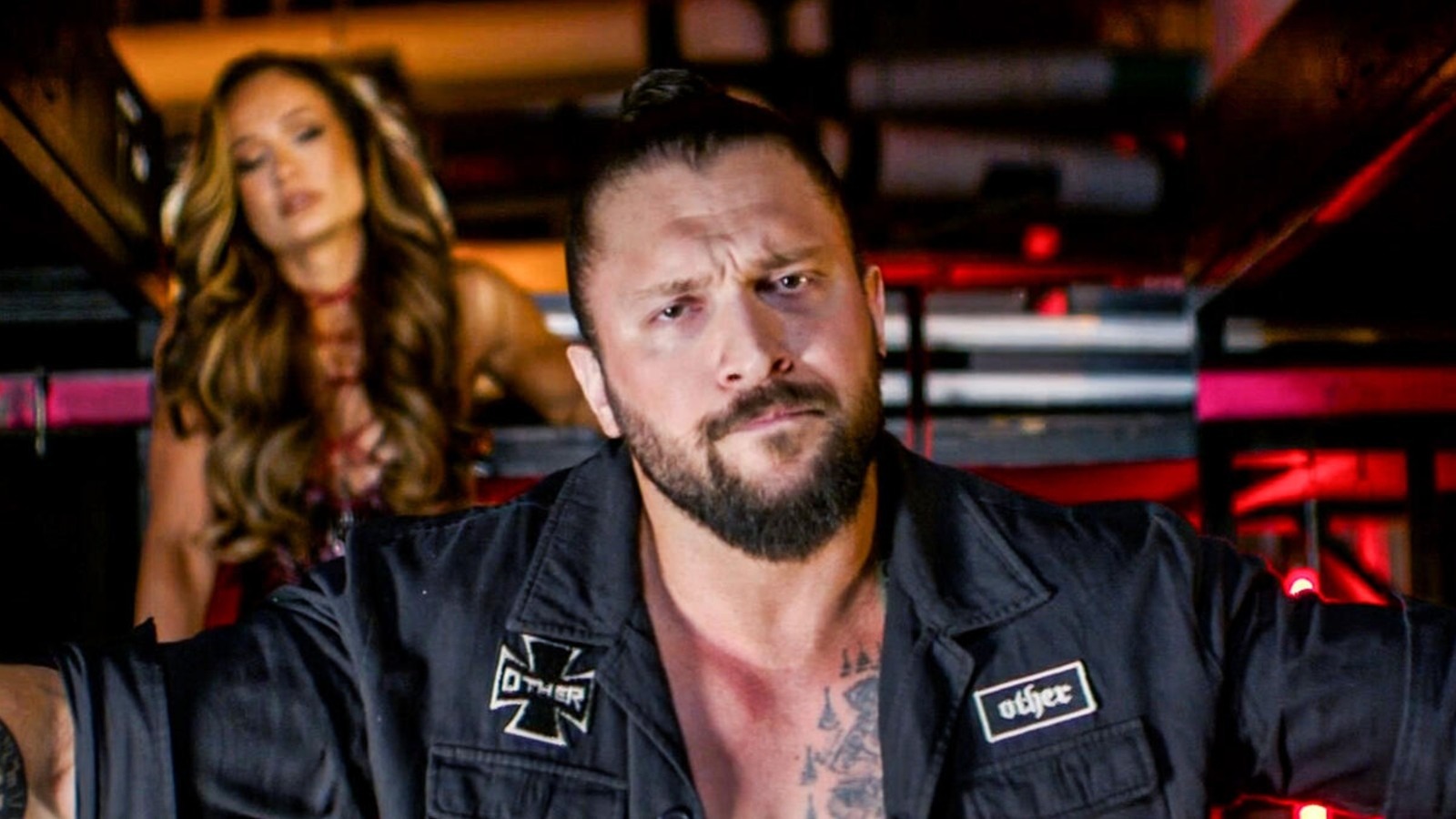
Let’s be real for a minute. The wrestling internet loves to play revisionist historian, but Karrion Kross on that first main roster run didn't just fail; he was essentially executed on live television. We watched a guy who looked like a legitimate monster in NXT, dripping with malice and carrying a literal hourglass, get stripped of everything that made him terrifying. When he debuted on Raw in July 2021, the first thing they did was take away Scarlett. It was like hiring Godzilla and then asking him to play a librarian in a cardigan.
Kross recently opened up about that disastrous transition, and his candor is exactly what the discourse needs right now. He arrived as an undefeated champion with a aura of inevitability. Then, within weeks, he was wearing a gladiator helmet that looked like it was stolen from a Spirit Halloween store clearance bin. It was a stylistic clash of the highest order. Seeing him lose to Jeff Hardy in less than two minutes on that mid-July episode of Raw was the professional wrestling equivalent of watching a Ferrari crash into a dumpster behind a Chili’s.
Missing the plot at the highest level
The core failing here wasn't about work rate or charisma. It was a fundamental misunderstanding of what a character needs to survive the jump from the Performance Center to the big stages. In NXT, the presentation was pristine. The entrance, the smoke, the dominance of his run against guys like Keith Lee and Finn Balor—it all built toward a singular, focused image. Once he hit Raw, that focus evaporated. He became just another guy on a roster bloated with 3-hour broadcast mandates.
We saw this same movie before with guys like Andrade or Aleister Black. WWE management has a recurring habit of bringing in heat-seekers and immediately forcing them to perform the 'main roster style,' which usually involves a five-minute heat segment and a commercial break that kills any momentum built in the opening bell. It is the ultimate creative buzzkill. Kross’s reflection on this confirms what we saw from our couch: he was fighting the booking as much as he was fighting his opponents.
The irony of the current creative shift
It is genuinely painful to look back at that 2021 period knowing what we see on television today. We talk constantly about WWE creative evolution and how the internal approach has shifted, but that doesn't fix the damage done to guys who never really stood a chance after their initial momentum was nuked. Karrion Kross was handed a script that made him look like a total jobber, and no amount of talent can overcome that kind of booking inertia. Even the best workers on the planet struggle when the writers treat them like a placeholder for a commercial break.
His return has been far more measured, but the scar tissue from that first run remains visible. You can see the caution in how he navigates his current segments. He’s much better off now, but that initial failure is a stain that the company creates for itself. If you look at how the Bloodline saga is currently handled with long-term narrative care, it makes the decision to put Kross in that ridiculous helmet look even more amateurish. They treat talent like lego bricks rather than human beings with specific creative brands.
Consistency is the currency of the wrestling business. If you pay a guy to be a monster, don't chop his legs off the second he walks through the curtain. That lesson seems to have finally clicked in Stamford, but it came at the cost of years of Kross's prime. Watching him talk about it now, it’s clear he knew exactly what was happening to him, but he was trapped in a system that prioritized short-term, nonsensical gimmicks over the organic heat he actually possessed. The lesson? Stop fixing things that aren't broken, especially when those things are the only reason anyone cares about your show in the first place.