The Smoke, The Mirrors, and The Reality
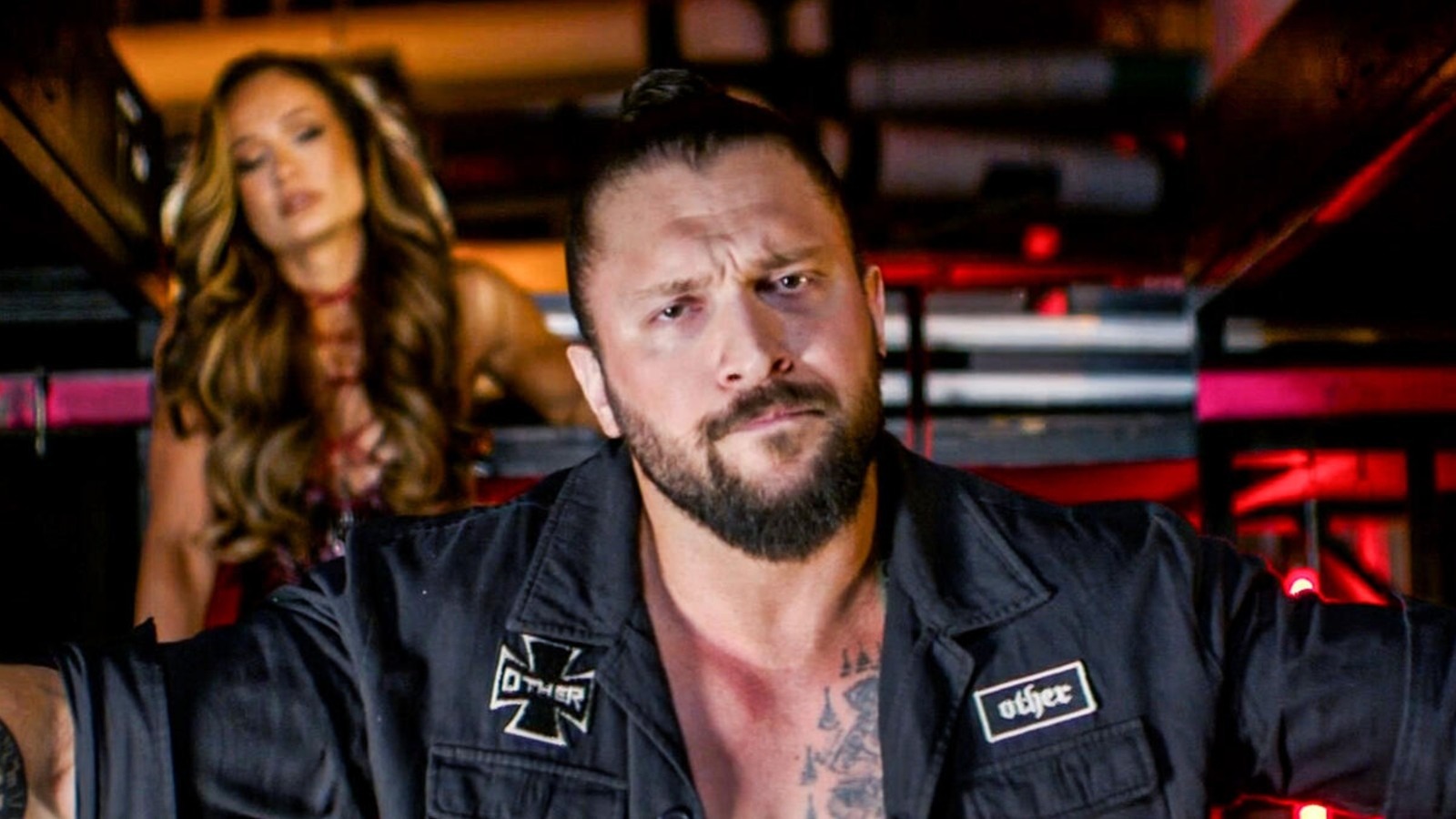
You know the drill by now. The arena goes pitch black. The brooding, black-and-white filter drops over the broadcast. Scarlett starts lip-syncing on the ramp like she is starring in a 2003 Evanescence music video.
The fog machines work overtime. It is, without a doubt, one of the coolest, most atmospheric entrances in professional wrestling.
But what happens when the bell actually rings?
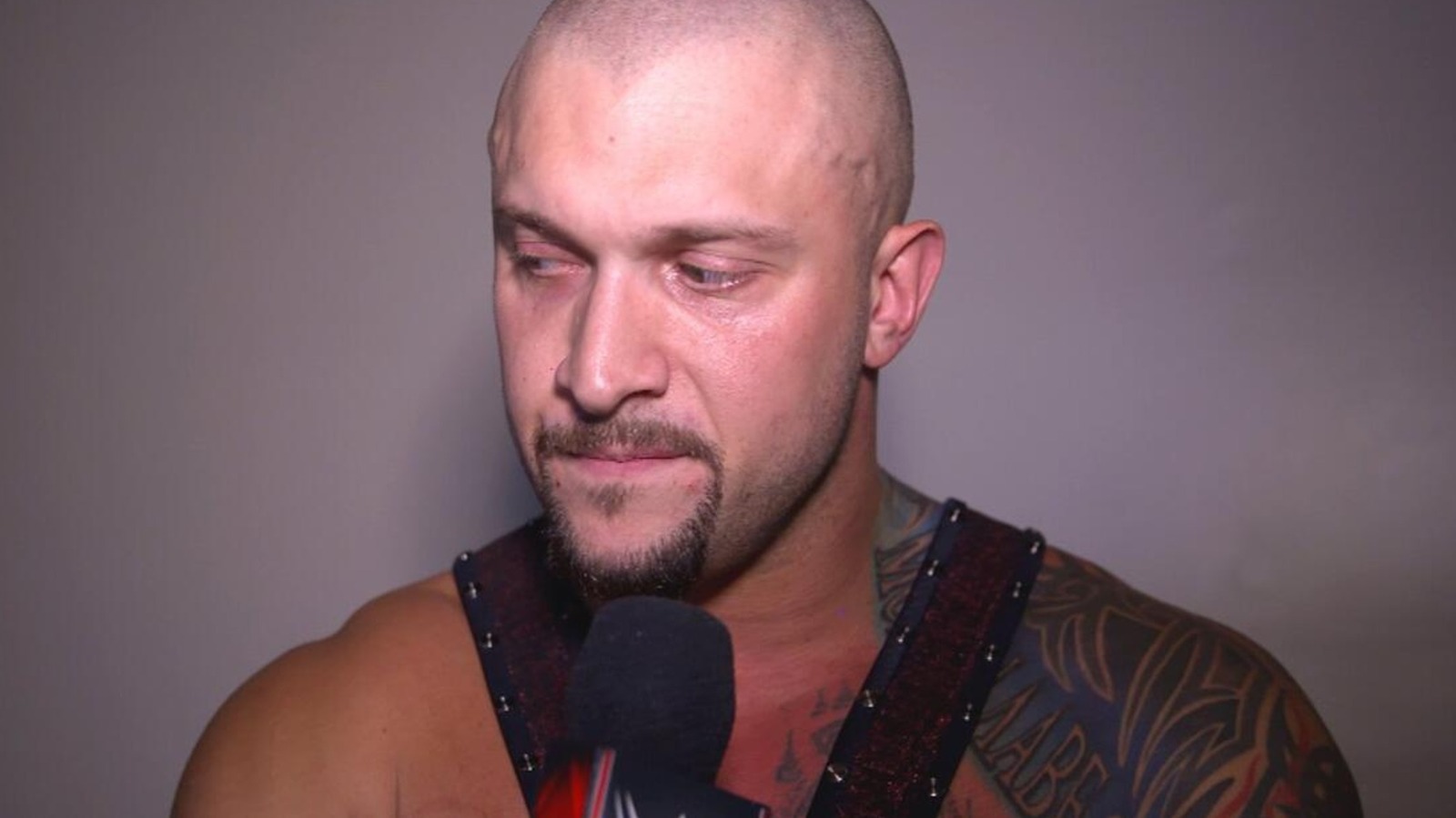
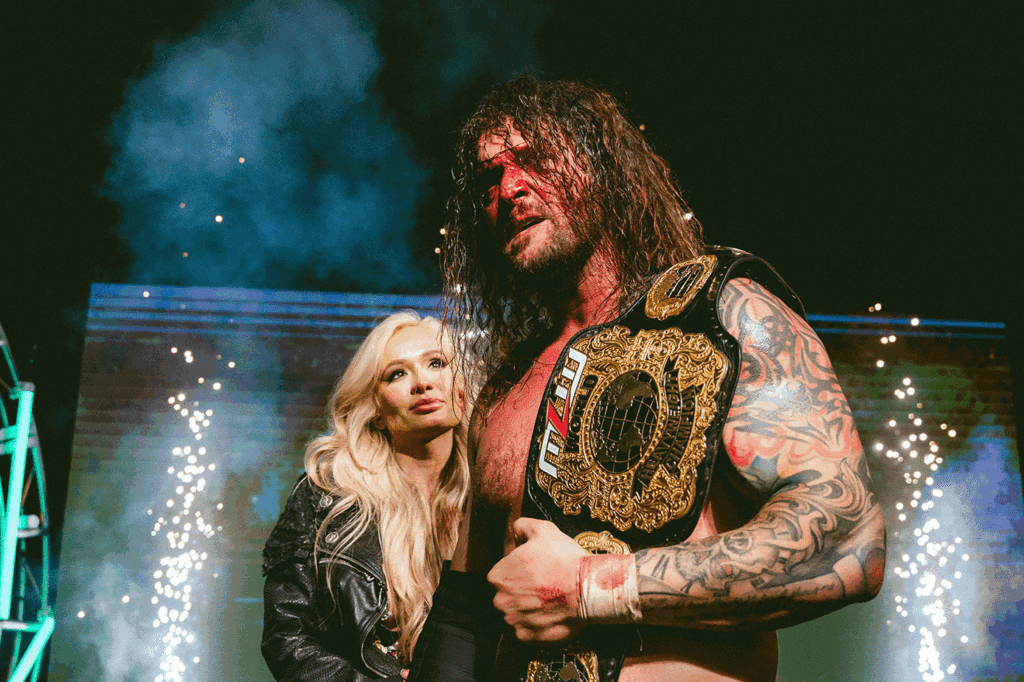
According to a quick blurb from PWInsider, Killer Kross just captured another championship over in Australia. Good for him. Sincerely.
Because if there is one guy in the professional wrestling business right now who desperately needs to rack up some hardware and remind everyone that he is supposed to be a terrifying monster, it is Kross.
Let's be completely honest with each other for a second. Being a fan of Killer Kross over the last few years has required the patience of a saint. You buy into the incredible presentation. You buy into the promos. And then the match starts, and you find yourself wondering why the guy who looks like a ruthless hitman is wrestling like a 1980s territory heel.
The Rollercoaster of the Killer
Think about the absolutely wild ride this guy has been on. He arrived in NXT like an incoming missile. He choked out Tommaso Ciampa. He obliterated Keith Lee. He was the undisputed king of the black-and-gold brand before the ink on his contract was even dry. He looked like an absolute world-beater.
Then came the main roster call-up. Vince McMahon, in his infinite, baffling wisdom, decided that the terrifying, suit-wearing hitman needed a plastic gladiator helmet and suspenders.
He famously lost to Jeff Hardy in less than two minutes. It was character assassination on live television. I still wake up in cold sweats thinking about that debut. It was the kind of booking decision that actively punishes fans for paying attention.
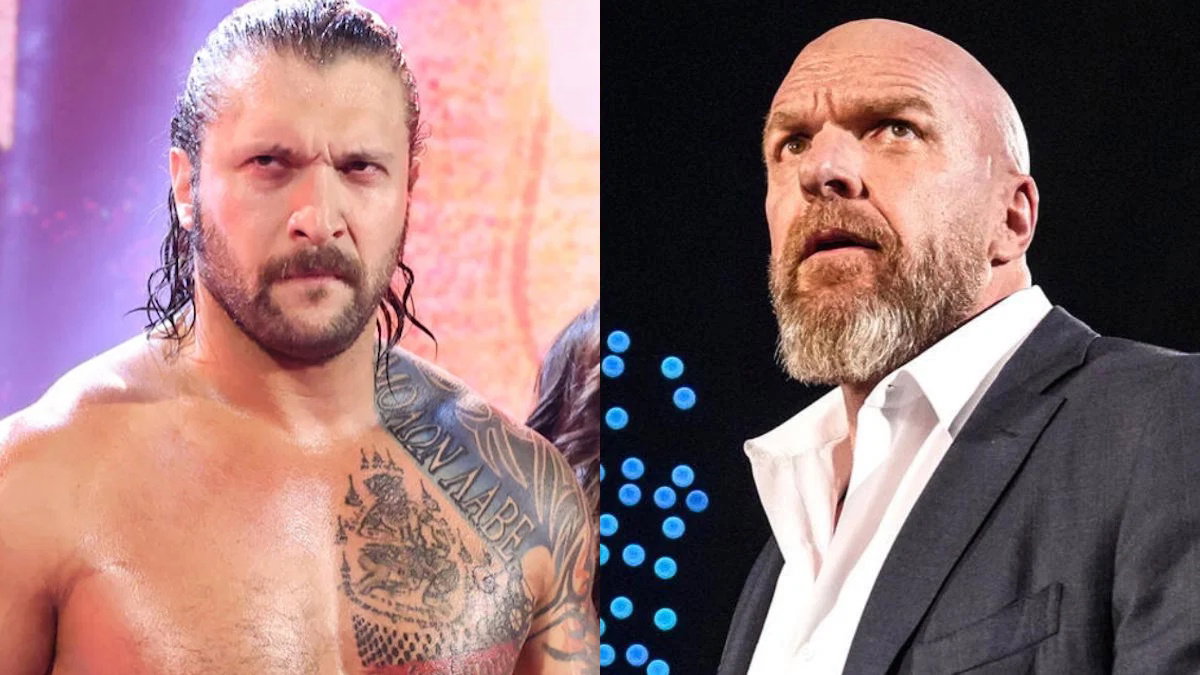
When Triple H took over creative and brought Kross back, we all assumed the ship would right itself. He attacked Drew McIntyre. He dropped the hourglass in the ring. The Final Testament faction was formed alongside Akam, Rezar, and Paul Ellering.
It sounded great on paper. A stable of absolute meat-slapping giants managed by a legendary wrestling brain.
But it never quite clicked into that elusive top gear.
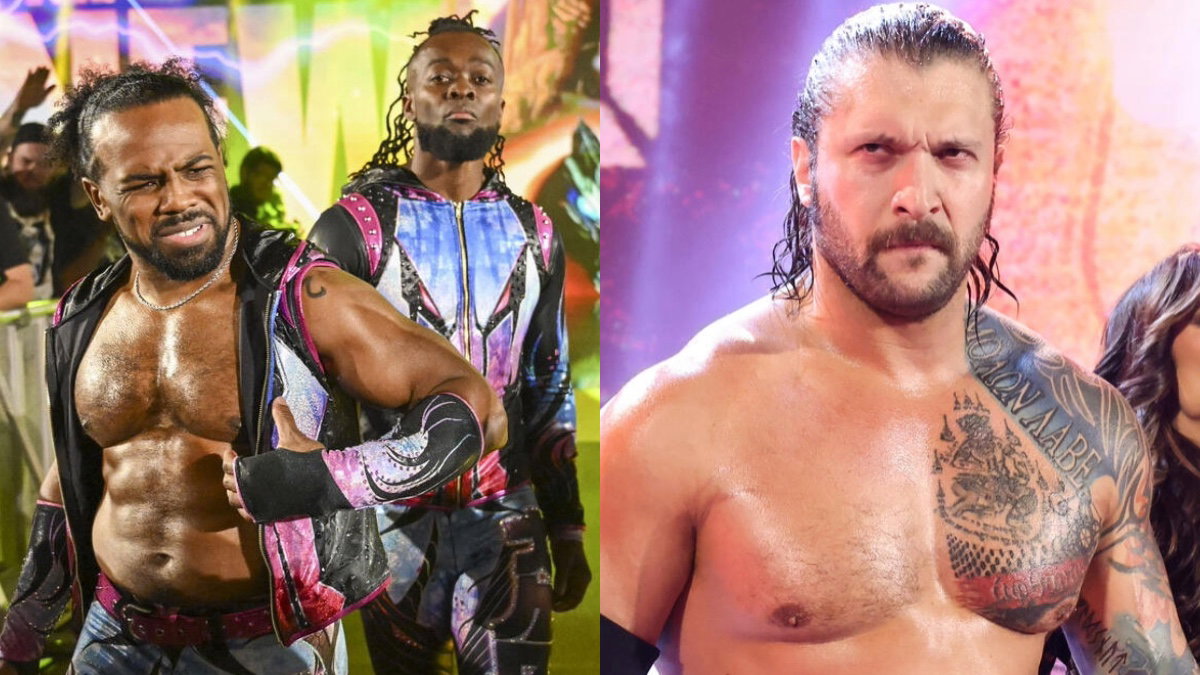
They spent months locked in this bizarre purgatory of mid-card feuds. The endless television program with Bobby Lashley and the Street Profits felt like it lasted for three presidential administrations. Every time Kross and his crew seemed poised for a breakout moment, they hit an invisible ceiling and stalled out.
The Disconnect Between Character and Ring Work
This brings us to the harsh, uncomfortable truth about Killer Kross. The critique that has followed him from his Impact Wrestling days to NXT and straight onto the main roster.
Kross has a phenomenal mind for the business. His promos on social media, shot in black and white from his car, are intensely compelling. He clearly understands psychology. He understands character work. He knows how to carry himself like a star.
If you follow Kross online, you see the vision. He cuts these incredible, intense promos looking straight into the camera. He speaks softly, but carries this undeniable menace. He articulates his feuds better than the television writers do. He will drop a two-minute video on Twitter on a Tuesday afternoon that makes you genuinely believe he is going to murder his opponent on Friday night.
The raw material for a top-tier main event heel is absolutely sitting right there on the table. The problem is that the bell has to ring eventually.
When that entrance hits, you expect Godzilla. You expect a terrifying, chaotic brawl. You expect a guy who is going to rip someone's arm off and beat them with the wet end.
Instead, Kross wrestles an incredibly safe, methodical, almost plodding style. He works a lot of extended rest holds. He slows the pace down to a crawl. In an era where audiences have been conditioned to expect rapid-fire high spots and relentless pacing, Kross aggressively hits the brakes.
It creates a wildly jarring viewing experience. The fans pop huge for the music, they stare at Scarlett, and then they sit on their hands in silence for twelve minutes while Kross works a chinlock. It is not that he is a bad worker. He is incredibly safe and fundamentally sound. But fundamentally sound does not draw money when your gimmick is literally a psychopathic killer.
The Big Man Problem
You also have to grade him against his peers. The standard for big, imposing dudes in professional wrestling has skyrocketed in recent years. Here is what Kross is competing against on a weekly basis:
- Gunther chopping opponents so hard their ancestors feel it in the afterlife.
- Bron Breakker running the ropes like a runaway muscle car with no brakes.
- Jacob Fatu throwing beautiful moonsaults while built like an absolute tank.
When you stand Kross next to those guys, the contrast is stark. Gunther's matches feel like a desperate struggle for survival. Kross's matches too often feel like a rehearsed wrestling exhibition. The suplexes are clean. The strikes look fine. But the raw malice is missing. The sheer, ugly violence that his character demands simply isn't there on a consistent basis.
Why the Australian Scene is the Perfect Lab
So, what do you do when the domestic television audience isn't quite buying what you are selling? You pack your bags, you get your passport stamped, and you go on an excursion.
Heading to Australia to win titles is brilliant. Right now, Tony Khan is probably losing sleep trying to frantically cram fourteen chaotic matches onto the Double or Nothing card for next week, but Kross is doing the smart, quiet work of rebuilding his aura on another continent.
Australia has an incredibly rabid wrestling fanbase. They don't get the same volume of massive live events as North America, so when a television star of Kross's caliber shows up, he is treated like absolute royalty.
Racking up titles down there does two very important things for his career.
First, it gets him much-needed reps outside the rigid, heavily micromanaged WWE television structure. He can experiment. He can work longer main event matches, try out new pacing strategies, and figure out exactly how to make his in-ring style match his top-tier character work. He can be the unchained version of himself rather than the heavily scripted WWE superstar version.
Second, it produces visuals. Professional wrestling is a visual medium above all else. Photos and clips of Kross holding championship gold in a packed Australian arena circulate quickly on social media. It reminds the fans—and more importantly, the executives back in Stamford—that this guy carries himself like a champion. It washes away the stink of mid-card irrelevance.
Finding the Tollman Again
Let's rewind the tape even further back to find the version of Kross we need right now. Do you remember his run in Impact Wrestling? He was doing some of the best, most compelling character work in the entire industry.
The Tollman gimmick was phenomenal. He was smashing watermelons. He felt genuinely dangerous. He felt entirely unpredictable. You never quite knew what he was going to do next, or who he was going to hurt. That was the raw energy that got him signed to a major WWE contract in the first place.
He desperately needs to find that specific guy again. The guy who felt genuinely unhinged. Not a guy playing a wrestler who is playing a tough guy on television.
Even his gear choices have been a rollercoaster. He went from the gladiator helmet back to the bald, intense look, and now he is rocking a full head of hair and a leather trench coat. He looks like a guy who would be cast as the main villain in a John Wick sequel. The aesthetic is completely flawless. The presentation is locked in. But wrestling is not a bodybuilding contest or a cosplay convention. You have to put the boots on and make the crowd believe you are hurting the other guy.
The Australian independent scene offers him the perfect blank canvas to paint that violent picture all over again. He is sweating it out in rings that don't have the luxury of a multi-million dollar LED lighting rig to mask the flaws. It is just him, the opponent, and the crowd.
This is an old-school approach. This is exactly what wrestlers used to do when they needed to reinvent themselves. You go to Japan, you go to Mexico, or in this case, you go down under. You figure out what works in front of a totally different audience. You rebuild the callouses on your hands and your character.
Think about Drew McIntyre. When he was released years ago, he didn't just sit around tweeting about how unfair the business was. He went to the UK. He went to EVOLVE. He won titles absolutely everywhere he went and built himself into a completely undeniable commodity. Kross currently has the opportunity to do something similar, while still being a recognized name globally.
The Clock is Ticking
So what does the endgame actually look like here? Let's assume he dominates the Australian tour. He collects two, three, maybe four regional belts. He takes a bunch of photos looking like a badass warlord alongside Scarlett. Then what?
He has to bring that exact same aggressive, no-nonsense energy back to American television. The WWE roster is simply too crowded right now. The mid-card is an absolute meat grinder. You cannot survive on an elaborate entrance alone. You eventually have to ring the bell and deliver something memorable.
Kross needs to start leaning heavily into his namesake. He needs to abandon the safe pacing and start working like a guy who is genuinely trying to end careers. He needs quick, violent squash matches that look uncomfortable to watch. He needs to break out moves that look legitimately dangerous.
Remember his NXT Championship win over Finn Bálor at NXT TakeOver: Stand & Deliver back in April 2021? That match was the absolute blueprint. It was incredibly physical. It was brutal. Kross looked like a machine that simply could not be stopped. He survived Bálor's best shots and then clubbed him into unconsciousness.
We need that version of Kross back on our screens.
It has been over five years since that peak NXT run. Five years is an eternity in the wrestling business. In that short span, we have seen Roman Reigns build and lose an entire empire, Cody Rhodes completely finish his story, and CM Punk actually return to WWE without hell freezing over. Time moves fast, and Kross cannot afford to be left behind playing the spooky mid-card enforcer forever.
This Australian run is a lifeline. Winning titles down there shifts the narrative. It changes the conversation from complaining about his television booking to marveling at the hardware he is collecting overseas.
At the end of the day, Kross has all the tools. The imposing look, the deep voice, the perfect manager, the elite presentation. He just needs to figure out how to make the wrestling part of his wrestling character work. If he figures that out while defending a belt in some sweaty arena in Sydney, then this excursion will be the smartest career move he ever made. If not? Well, at least the entrance will still look cool on YouTube.