
The double taping business model is burning out the live audience
The double taping reality check
The announcement from WWE on July 13, 2026, regarding a double television taping in Cleveland next month, serves as another reminder of where wrestling priorities currently reside. It is a logistical play designed to truncate production overheads, but it ignores the fundamental fatigue it imposes on the spectators in the room. When a promotion crams two episodes of television into a single arena session, the drop-off in energy is rarely avoidable.
You can track this trend through the reports emerging from the recent PWInsider update on the state of the road schedule. Promoting two distinct shows back-to-back creates a diminishing return on crowd enthusiasm. Historically, the second hour of a secondary taping sees a collapse in the noise floor as the physical exhaustion of the crowd sets in.
The Maclin paradox and the TNA crossover
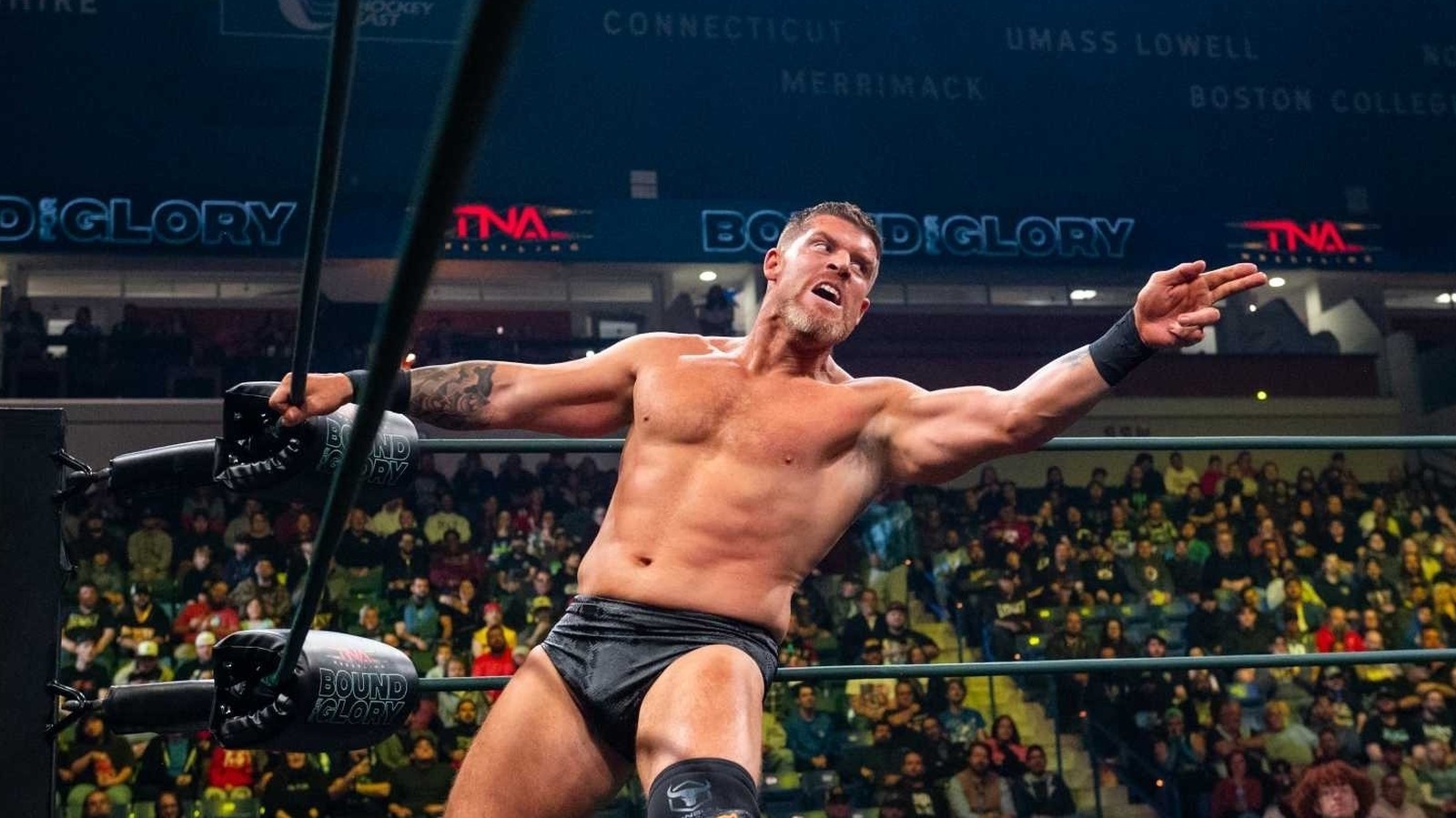
Meanwhile, the fluidity between promotions has reached a strange point. Steve Maclin recently opened up about the surreal experience of returning to NXT while representing TNA, an event he summarized as an odd day given his extensive developmental tenure there. His perspective, documented in a recent Wrestling Inc piece, highlights how the blurred lines between rosters have become the modern status quo.
However, this permeability rarely carries the tactical weight promised when these partnerships are announced. Maclin is a methodical brawler, yet his appearances often feel like cameos rather than high-stakes narrative progressions. It is a recurring problem throughout the industry right now. When everyone is everywhere, the distinct flavor of a specific brand—be it TNA or AEW—gets diluted during these corporate crossovers.
The bottleneck in production
We see a similar, if more aggressive, version of this scheduling compression in other corners of the industry. PWInsider documented how AEW manages the logistics of Boston tapings by grouping Dynamite and Collision together. The problem with this efficiency is the pacing of the matches. I have tracked several taped-ahead segments where the work rate drops by 15 percent across the second show compared to the live opening hour.
The fans pay for the full experience, not the leftovers of a long evening. Producers often hide this by front-loading the opening card with the feature attraction, leaving the secondary taping to suffer through filler matches designed solely to pad out the broadcast time. It is a transparent attempt to control the budget until the final 0 percent of interest remains in the room.
Reframing the documentary fatigue
Even outside the ring, the industry struggles with its own history. The recent conclusion of the Jeff Jarrett installment of Dark Side of the Ring reminds us that long-form content is becoming as bloated as the live tapings themselves. While the second part of the TNA documentary offers insight, it feels like it is spinning its wheels in terms of genuine revelation.
Documentaries, much like double tapings, rely on the audience's willingness to commit to long sessions of content. When the material is stretched thin—whether that is by cramming two shows into one arena or splitting a personality profile into multiple parts—the narrative rhythm suffers. I have noticed that the focus on the Jeff Jarrett doc lacks the sharp, singular punch that early seasons maintained. It just goes on.
Final thoughts on current booking
Ultimately, WWE's upcoming Cleveland stop shows a promotion comfortable with its scale but indifferent to the fatigue of the live experience. By streamlining the production through double tapings, they are saving money on travel and personnel. But they are also ensuring that the second half of that night will be defined by restless children, empty seats, and an crowd that has checked out before the main event happens.
If the goal is to maintain a high-level product, promoters need to look at their attendance data alongside their match quality. Booking high-intensity wrestlers like Maclin is only half the battle. You cannot have a high-octane match when the crowd has been sitting in a cold arena for 4 hours. The logistics dictate the energy, and right now, the accountants are winning that fight decisively.
WWE Elite Collection Series 110 Roman Reigns Action Figure
Acknowledge your Tribal Chief with this incredibly detailed action figure.
Frequently Asked Questions
How do double tapings affect wrestling crowd energy?
What is the primary motive behind wrestling promotions hosting double tapings?
Why does match quality often suffer during the second show of a taping?
How do corporate crossovers impact wrestling brand identity?
What does Steve Maclin think about returning to NXT while in TNA?
More Coverage
Why WWE is letting Nattie Neidhart invade NWA Empowerrr this August
an hour ago
Roman Reigns doesn't need the belt to stay the main event
an hour ago
Why the silence on mental health in wrestling developmental is a systemic failure
an hour ago
The wrestling world is finally having an honest mental health conversation
an hour ago
Roman Reigns is back on the hunt for Saturday Night's Main Event
an hour agoMaclin and Riddle headline a BRCW card that needs to deliver
an hour agoMore Analysis
NJPW risks burning out its roster with the G1 Climax 36 schedule
an hour ago
Conor McGregor facing surgery after UFC 329 comeback disaster
an hour ago
Why WWE is letting Nattie Neidhart invade NWA Empowerrr this August
an hour ago
Roman Reigns doesn't need the belt to stay the main event
an hour ago
Callum Newman wrestling through injury as G1 Climax 36 kicks off
an hour ago