The physical cost of the G1 Climax
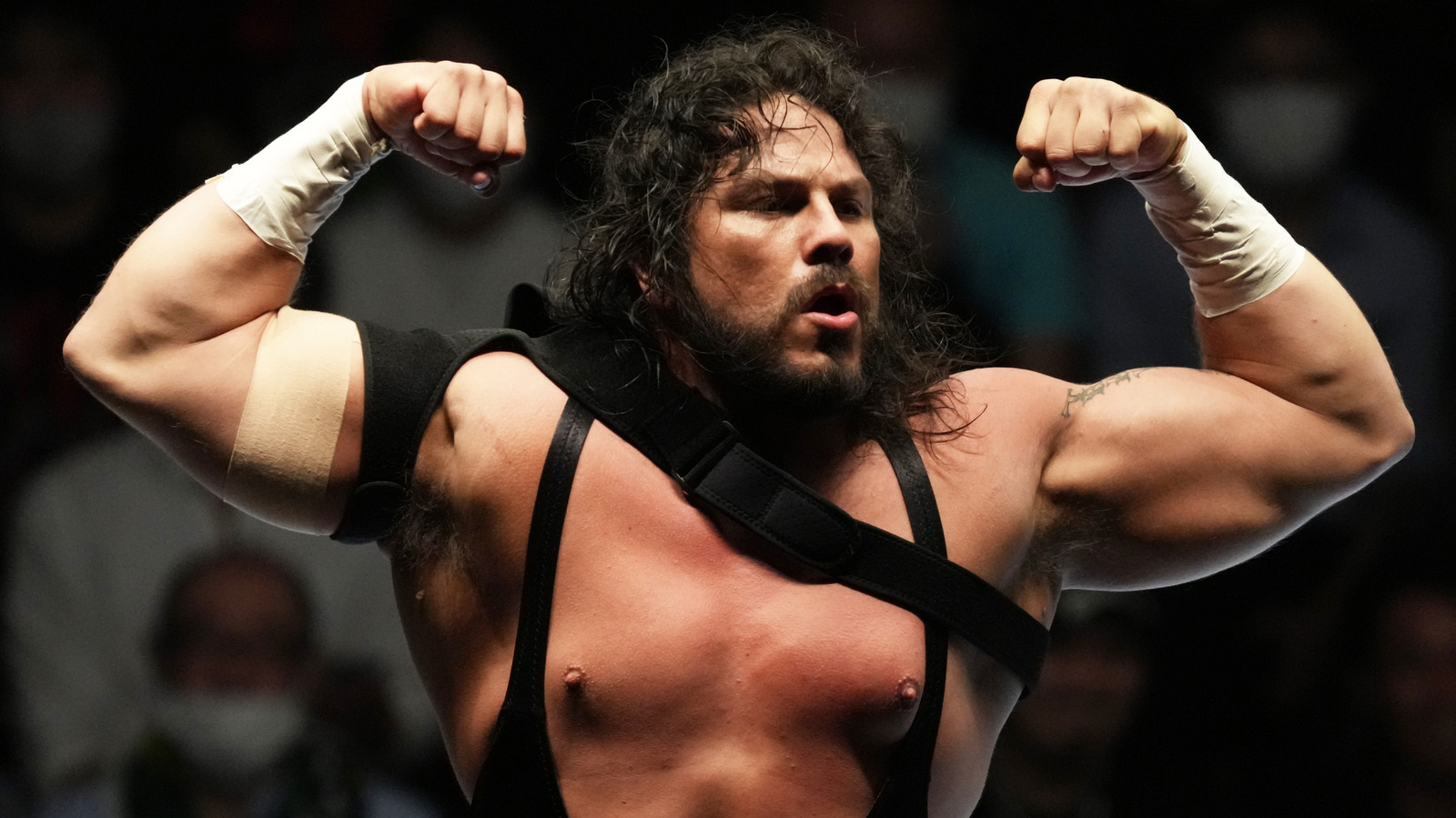
The G1 Climax is designed as a grueling test of endurance, but NJPW is pushing the threshold of sustainability to its breaking point. As noted in recent reporting regarding Callum Newman, the physical reality for talent often precedes the tournament cycle. Newman nearly missed the G1 entirely after sustaining injuries during his IWGP Heavyweight Championship challenge against Yota Tsuji last month.
Seeing a competitor like Newman struggle to maintain health highlights the thinning margin for error in this tournament. When athletes enter a block system already compromised by lingering trauma, the quality of both the singles matches and the long-term career outlook diminishes. It forces a style shift that favors safety over the high-stakes sequences fans expect.
Evaluating the opening results
Night one at the NOW Arena in Hoffman Estates proved that the intensity remains high, despite the internal instability of the roster. Following the July 11th results, Aaron Wolf grabbed an early lead in Block B with 2 points. Securing an opening victory is vital in a tournament where dropping early matches creates a mathematical mountain that is difficult to climb in the final two weeks.
We have to question the wisdom of such an aggressive schedule when the injury reports are already trickling in. Match quality generally plateaus around the final nights as fatigue sets in. If the primary stars are already fighting uphill battles against their own bodies, the latter half of the tournament lacks the crispness associated with previous G1 iterations.
The ticket distribution warning signs
Beyond the ring, the promotional focus has shifted toward securing attendance in competitive markets. Reports on NJPW G1 Climax 36 ticket distribution suggest that maximizing the Chicago audience remains a primary objective. Trying to sustain interest in a grueling, multi-week tournament requires consistent sell-outs, but the current booking approach seems to prioritize volume over the long-term health of the talent pool.
My prediction for the remainder of the block stage is grim: expect at least two more roster exits before we reach the finals. The combination of high-stakes, high-impact competition and a compressed recovery window is a recipe for medical withdrawals. The promotion needs to recalibrate its medical recovery protocols, or the final card will be built on substitutes rather than the tournament architects intended for the main events.