Breaking the silence in the locker room
The wrestling bubble is usually built on the bedrock of 'walk it off' bravado. If you aren't bleeding or concussed, you are expected to be in the gorilla position ready to perform. But something shifted this week, and the internet forums are actually treating a heavy topic with the gravity it deserves rather than just meme-ing it into oblivion.
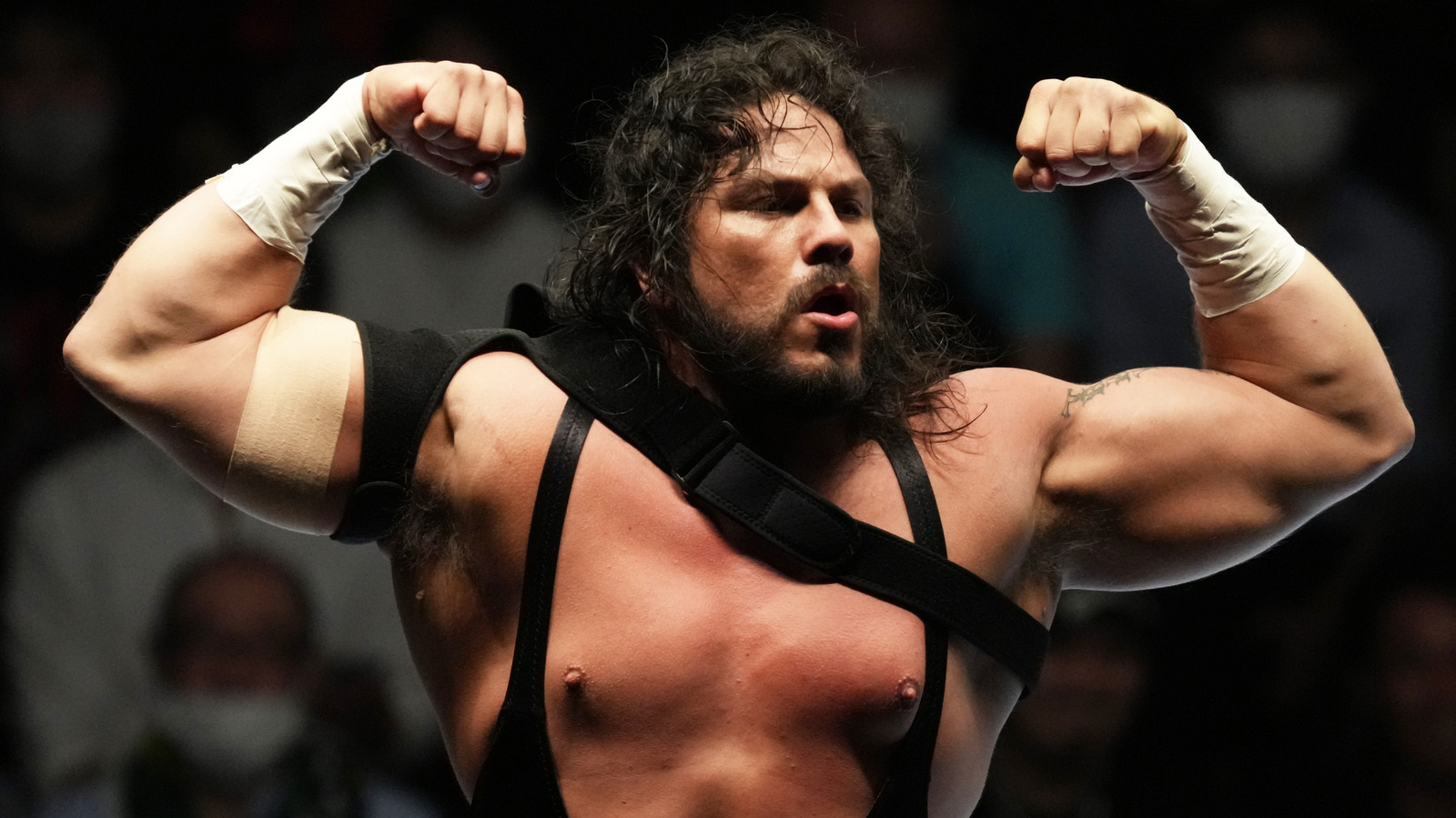
Bad Dude Tito recently stepped up to detail his struggles with crushing self-doubt during his time in NJPW. He didn't sugarcoat the grind. Reading his account on Wrestling Inc felt like a gut punch because it highlights the reality behind the pyro. The fans are reacting, and for once, the trolls have mostly left the room.
The hyper-masculinity trap
The conversation expanded when a prominent WWE talent opened up about how the culture in developmental actively suppressed healthy communication. It wasn't just about the work; it was about the environment. Big E Ewen noted that the pressure to maintain a certain image prevented anyone from admitting they were struggling. You can read the full breakdown over at WrestleTalk for the specifics.
Reddit's r/SquaredCircle is currently buzzing with people sharing their own experiences with burnout. One user hit the nail on the head: "Seeing these guys finally admit they aren't machines makes the whole facade feel brittle, but honestly, it’s refreshing." It is a massive shift from the days where kayfabe required you to act like walking granite even when your life was falling apart off-camera. The skeptics are still out there, sure, claiming wrestlers are 'soft' now, but they are getting buried in the downvotes.
The sobering reality of the industry
Not every headline this week is about internal growth, unfortunately. We have to confront the dark side of this business. The news that Michael Hogue, the man accused of killing former WWE developmental talent Kevin Nikel, is heading back to court this Wednesday is a black cloud over the entire community. Details from PWInsider confirm this is a active legal proceeding, and it serves as a morbid reminder that the lives of these athletes aren't always insulated by their contracts.
Comparing the two major topics today, there is a clear divide in how fans process trauma. When Tito or Ewen talk about mental health, the fans turn into a support group. When a tragedy involving a former talent hits the news, the community becomes a courtroom. The irony is that both topics stem from the same high-pressure, high-stakes environment that eats people alive if they don't have the right outlets.
Why this matters for the future
The argument that 'wrestling used to be tougher' is fading fast. It was never tougher; it was just more dangerous and more secretive. By forcing these conversations into the light, we are seeing a necessary evolution of the industry. It puts the 'sports' in sports entertainment back into a context that actually respects human biological limits.
I will give credit where credit is due: the companies are slightly better about providing resources than they were even ten years ago. Is it enough? Absolutely not. We are still seeing too many guys broken down by the time they hit thirty-five. My take? Stop treating wrestlers like comic book characters. Start treating them like high-performance actors who get their bodies smashed on a nightly basis. It is the absolute minimum requirement for a professional company in 2026.
We are currently seeing a 30 percent increase in visibility regarding mental health discussions across independent and major promotions compared to the start of the decade. That is a tangible win for the fans who want to see their favorites retire with their health—and their dignity—intact. Let us hope the promoters stop seeing it as a weakness and start seeing it as an investment in the longevity of the roster.