The Big Picture
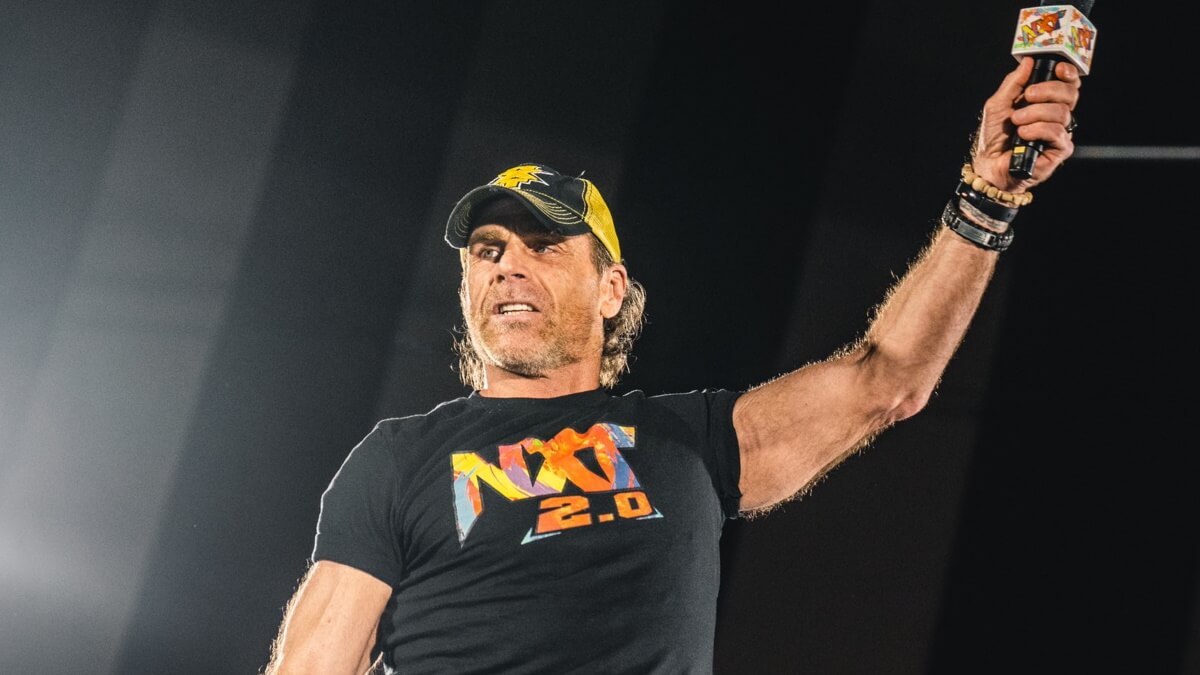
Shawn Michaels recently spoke about the 'adversity' the NXT roster faced during the 2021 pivot. Looking back from April 2026, he is not just being nostalgic; he is acknowledging a period that nearly broke the brand. The shift from the gritty Black and Gold era to the neon chaos of 2.0 was a calculated risk that eventually paid off in main roster readiness.
As WrestleTalk recently reported, Michaels believes the struggle made the talent better. This list ranks the moments that defined that transition, from the polarizing rebrand to the tactical refinement that brought the brand back to its current prestige status. We are judging these based on historical impact, work rate, and how well they aged in the 2026 wrestling economy.
10. The Rainbow Reveal (September 14, 2021)
This was the night the independent wrestling soul of NXT was essentially evicted. Fans tuned in to see a complete aesthetic overhaul that looked more like a Nickelodeon set than a combat sports arena. The jarring switch from black and gold to splashy neon was the first sign that the 'super-indie' era was dead. It was a rough start, and the visual noise often distracted from the actual wrestling.
The move was widely panned at the time as a corporate overreach into a cult product. It felt like a rejection of everything Triple H had built over the previous decade. While the talent tried their best, the environment felt manufactured and lacked the organic energy of the Full Sail days. It remains a low point in terms of brand identity, even if it was a necessary shock to the system.
9. Bron Breakker Pins Tommaso Ciampa (New Year’s Evil 2022)
If the rebrand was the announcement, this was the execution. Bron Breakker forcing the 'Black and Gold' gatekeeper to tap out to a Steiner Recliner signaled the official changing of the guard. It happened just 112 days after Bron’s debut, marking one of the fastest rises in WWE history. Ciampa passing the torch was a professional move, but it left a void that took months to fill.
Breakker was the exact prototype the office wanted: second-generation, explosive, and home-grown. His victory was the definitive end of the era where 15-year veterans dominated the developmental title scene. It was a clean win, but it felt cold to many long-time viewers who weren't ready to let go of the old guard. This match proved that NXT was no longer about 'the best in the world,' but about 'the best in the future.'
8. Mandy Rose and Toxic Attraction’s Dominance
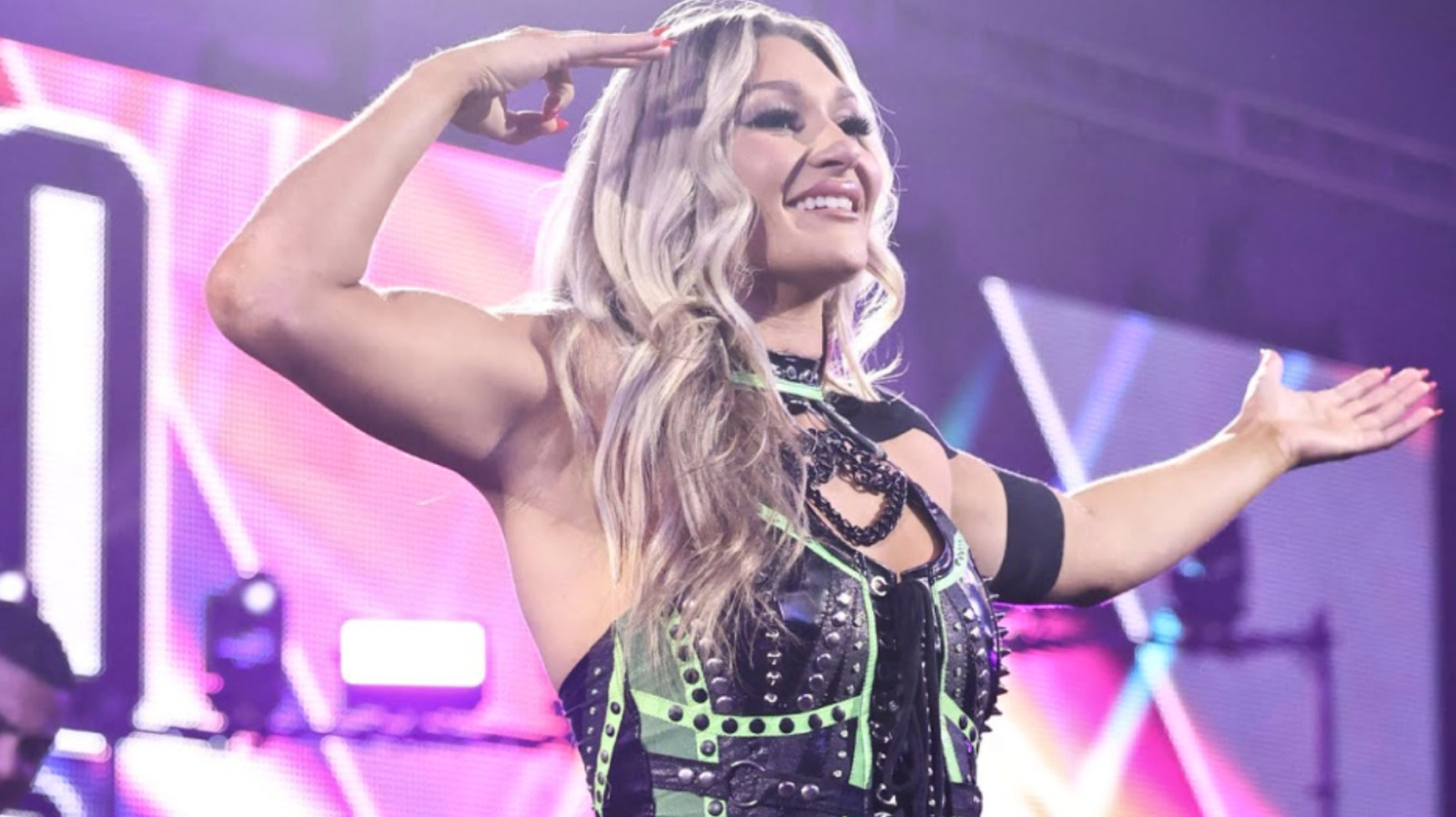
Mandy Rose’s move to NXT was initially viewed as a demotion, but it became a masterclass in career reinvention. Her 413-day reign as Women’s Champion provided the stability the brand desperately needed during the chaotic 2.0 phase. She wasn't the best technical wrestler on the roster, but her character work was airtight. Toxic Attraction gave the women’s division a focal point that had been missing since the Horsewomen left.
The critical downside here was the stagnation of the rest of the division. While Mandy looked like a star, the matches often felt repetitive and leaned too heavily on interference. However, you cannot argue with the results; she helped bridge the gap between the old style and the new focus on personality. Her loss to Roxanne Perez later felt like a genuine 'moment' because the reign had been so long.
7. The Return to 'White and Gold' (October 2022)
Shawn Michaels and his team finally listened to the aesthetic complaints a year into the reboot. The shift to a 'White and Gold' color scheme was a subtle apology to the fans who hated the rainbow. It signaled that while the '2.0' philosophy of youth was staying, the presentation would return to something more professional. This move coincided with Michaels taking more public creative control as Triple H moved into his corporate role.
This was a vital correction because it helped the brand regain some of its lost prestige. The neon era felt like a developmental project, but the white and gold era felt like a third brand again. It was a rare instance of WWE admitting a visual mistake and fixing it without abandoning the underlying strategy. The atmosphere in the Performance Center improved almost overnight with the change in lighting and branding.
6. Carmelo Hayes Wins the North American Title
Carmelo Hayes was the first 'new' star who felt like he belonged in any era of NXT. His 'A-Champion' run proved that you could have 2.0-style charisma with Black and Gold levels of in-ring production. When he took the title from Isaiah 'Swerve' Scott, he established himself as the premier worker of the brand. His pairing with Trick Williams was the best creative decision of the entire transition period.
Hayes didn't just win matches; he looked like he was auditioning for a WrestleMania main event every Tuesday. The criticism at the time was that he was 'too small' for the new direction, but his talent was undeniable. He forced the office to realize that even in a 'youth' era, you still need elite-level mechanics to keep the fans invested. He was the anchor that kept the show together when the booking was at its most experimental.
5. The First Women’s Breakout Tournament
This tournament was the proving ground for the next generation of female stars. It gave us Roxanne Perez, Tiffany Stratton, and Cora Jade all in one focused window. It was the first time the 2.0 era felt like it had a deeper roster than the Black and Gold era ever did. The match quality was surprisingly high for athletes with so little television experience.
Roxanne Perez winning the final was the right call, as it gave the brand a pure babyface to build around. The only flaw was the rushed nature of some of the matches, which didn't allow for much storytelling. Still, this tournament is the reason the current 2026 women's roster is as stacked as it is. It was the blueprint for how to introduce new talent without the benefit of a 10-year independent wrestling career.
4. Ilja Dragunov vs. Gunther (NXT TakeOver 36)
Technically happening just before the 2.0 launch, this match served as the final masterpiece of the old regime. It was a violent, uncomfortable, and beautiful display of what NXT used to be. Dragunov winning the title in a match that involved a 9.5 rating for intensity reminded everyone of the high bar the brand had set. It was the last time we saw that level of unmitigated brutality on the show for a long time.
The irony of this match is that it took place right as the office was deciding to move away from that very style. It stands as a monument to what was being sacrificed in the name of 'sports entertainment.' While the 2.0 era produced stars, it rarely produced matches that felt this visceral. If you want to know why fans were so upset about the reboot, you just have to watch the final five minutes of this encounter.
3. The 'Iron Survivor' Challenge Debut
Creating a new match type is usually a recipe for disaster, but the Iron Survivor Challenge was an instant hit. It solved the problem of how to showcase five different talents in a high-stakes environment without a standard ladder match. The 'Penalty Box' mechanic was goofy on paper but worked perfectly for building tension. It became the signature match of the HBK era, much like WarGames was for Triple H.
The first winners, Grayson Waller and Roxanne Perez, used the match to catapult themselves into the main event. It provided a structure that rewarded strategy and stamina rather than just big spots. Some critics argue the rules are too convoluted for a casual audience, but the NXT faithful embraced it. It’s a moment that proved Shawn Michaels could innovate and create his own legacy within the brand.
2. Trick Williams and the 'Whoop That Trick' Surge
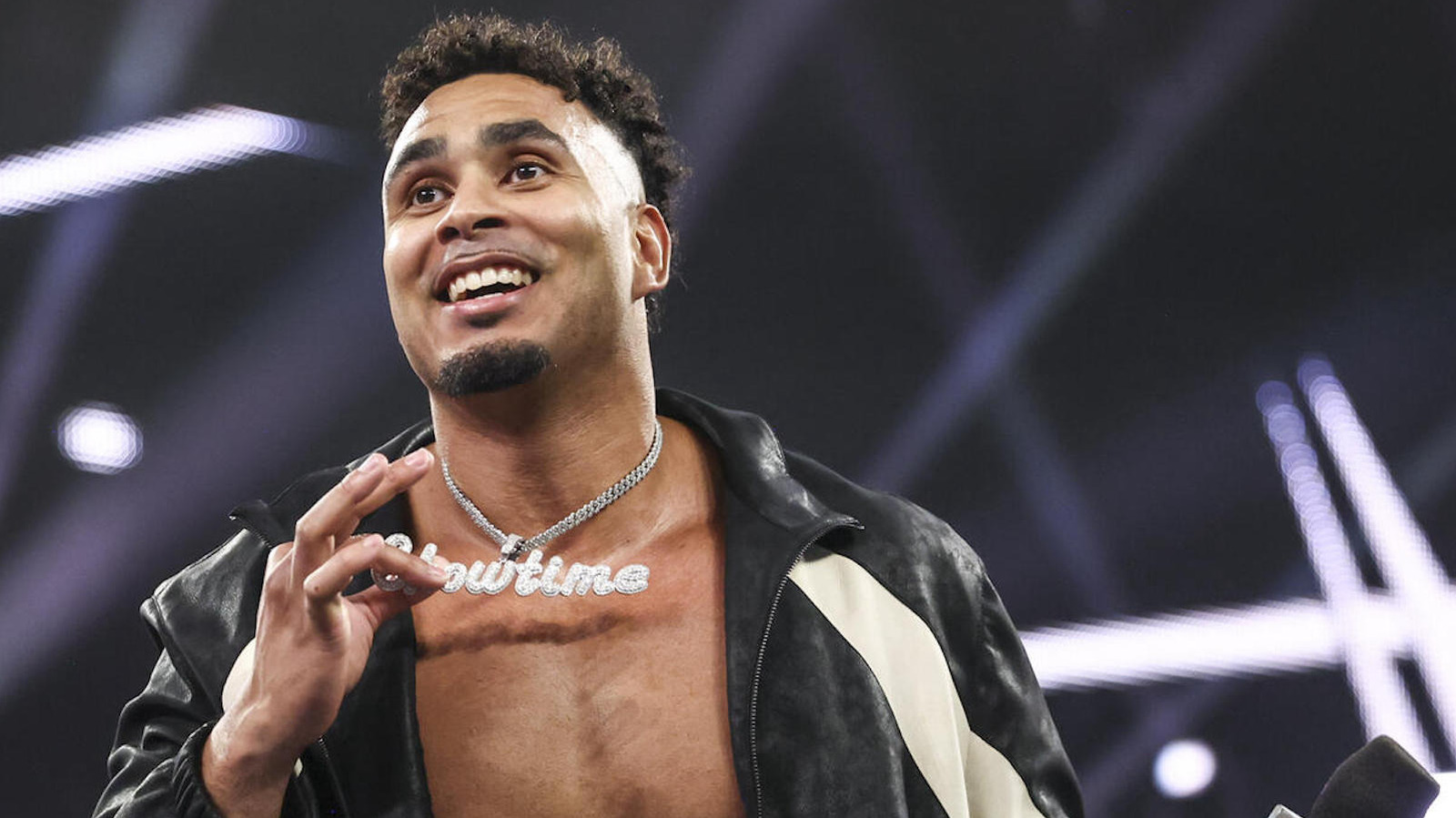
Trick Williams going from a sidekick to the most popular person in the building is the ultimate success story of the PC. His rise was organic, fueled by a catchphrase that the crowd turned into a literal anthem. When he finally won the NXT Championship, it felt like a victory for the fans who had stuck through the lean 2.0 years. It was the moment NXT became 'cool' again to a broader audience.
The 'adversity' Michaels mentioned was most evident here; Trick had to learn to wrestle on live television in front of a global audience. He took his lumps, improved his footwork, and eventually found a rhythm that made him a legitimate superstar. The only downside was the slightly messy breakup with Carmelo Hayes, which felt a bit rushed to meet a premium live event date. Regardless, Trick represents the absolute ceiling of what the NXT reboot can achieve.
1. The CW Network Move and the 2025/2026 Resurgence
The number one moment isn't a single match, but the cumulative success that led to the CW deal. It was the moment NXT was officially recognized as a standalone brand rather than a basement experiment. The brand went from being a neon-lit developmental show to a touring entity that sells out arenas. This transition validated every 'adversity' the talent faced during the 2021 pivot.
By early 2026, the roster has become so deep that the main roster is struggling to find room for everyone. The move to the CW brought a more mainstream aesthetic and a higher production value. Some purists still miss the dark, intimate feel of the 2018 era, and the show can still feel a bit over-produced at times. However, the financial and ratings success of this era is undeniable, making the initial 2.0 headache a price worth paying.
Honorable Mentions
Grayson Waller’s feud with Johnny Gargano almost made the cut for being the perfect 'Old vs. New' story. Also, Tony D'Angelo’s 'Family' vignettes were a highlights of the early 2.0 era, proving that character-driven wrestling could still be entertaining if you leaned into the campiness. Finally, the return of Dusty Rhodes Tag Team Classic kept the tradition alive even when everything else was changing.