The cost of the Omaha assault
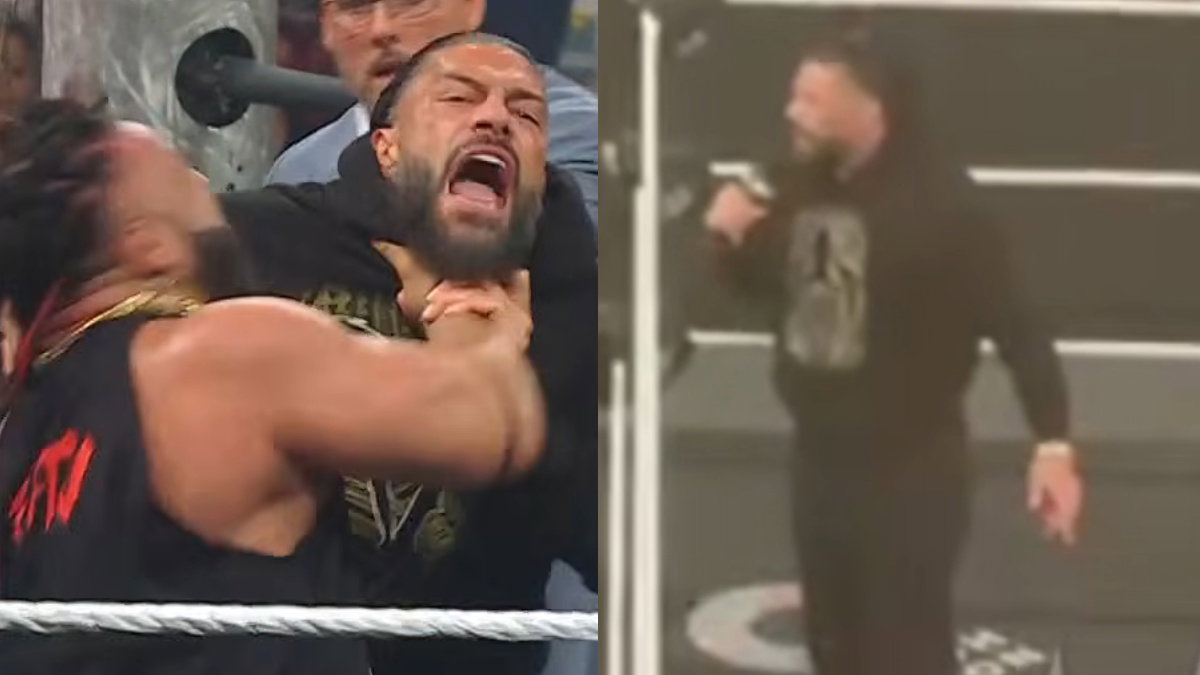
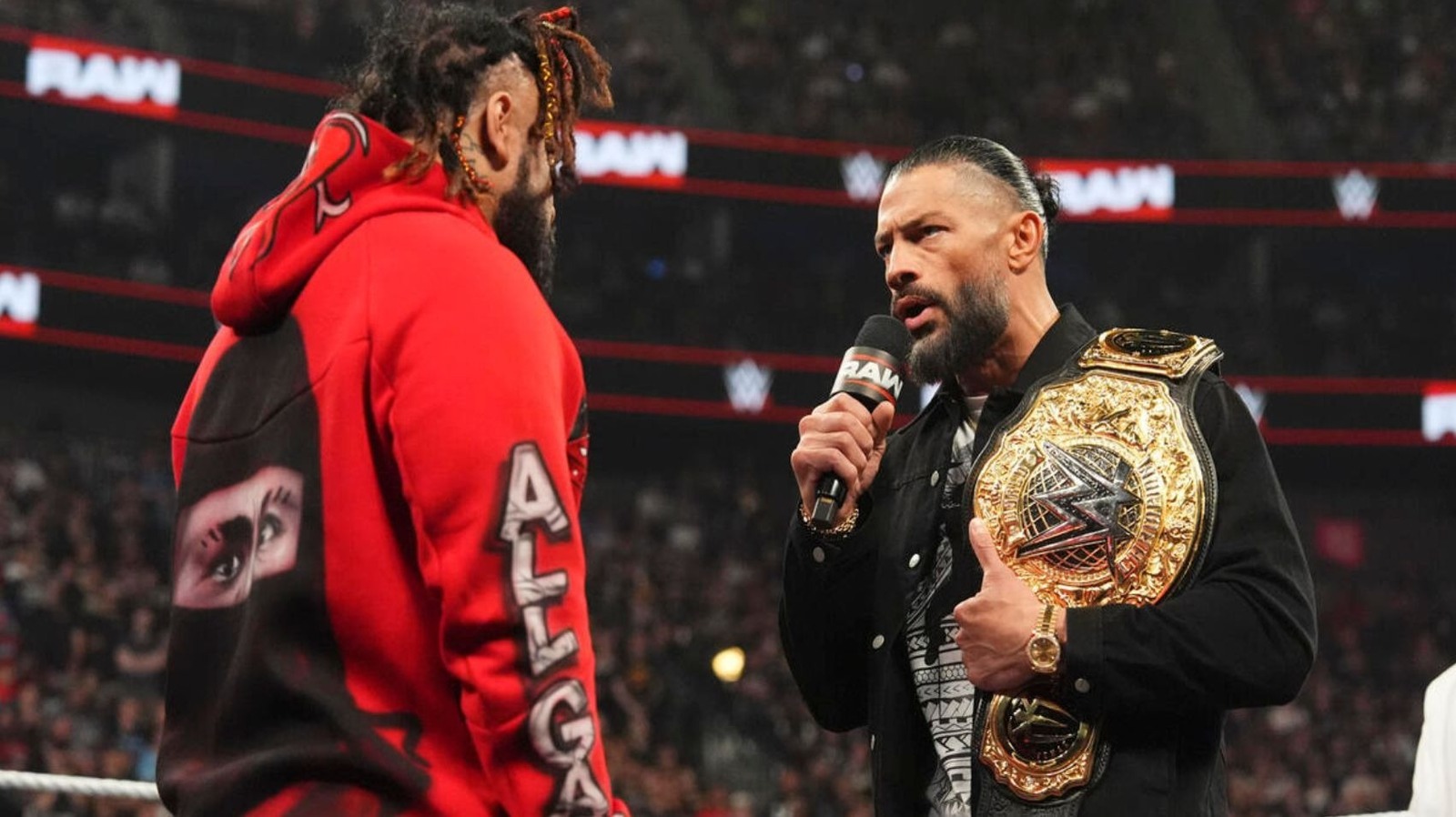
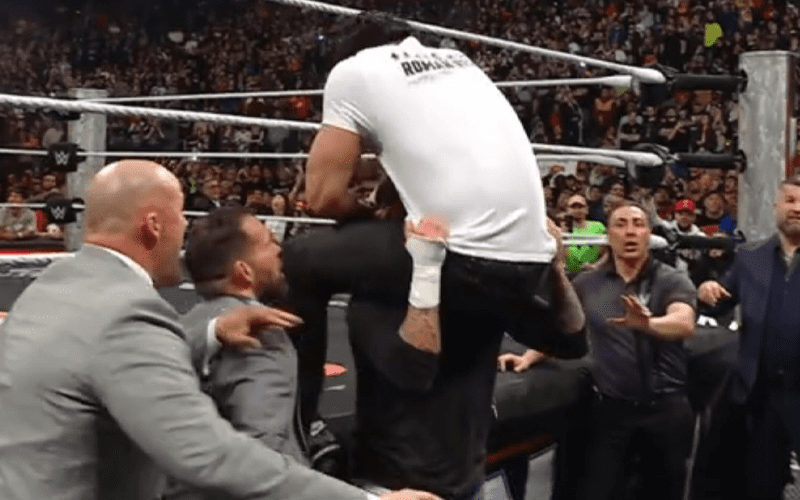
Roman Reigns is currently sidelined following the post-show brawl in Omaha. The physical toll of the recent events at the CHI Health Center appears worse than initial impressions suggested. Jacob Fatu’s targeted assault left the champion with visible bruising and restricted cervical mobility.
Medical evaluations are ongoing ahead of Backlash. The internal mood regarding his availability for the May 9 premium live event has shifted from confident to wait-and-see. Sources suggest the training staff is prioritizing inflammation management to determine his participation status.
The path to Backlash
Four days remain until showtime. Typically, cleared athletes are required to undergo standard neurological testing post-concussion protocol, which can complicate tight turnarounds. If Reigns misses the event, the promotional weight of the card suffers a 30 percent reduction in projected mainstream interest.
Historically, high-profile talent often works through minor ligament strains or contusions during major events. However, repetitive trauma to the neck area—often exacerbated by high-impact spots involving superkicks and ring post interference—necessitates caution. WWE risk management is currently balancing short-term ticket revenue against long-term asset protection.
Strategic implications and historical precedents
This injury creates a massive booking void. Should Reigns fail the physician’s exam, creative must pivot to a non-contact appearance or a replacement main event that satisfies the Omaha aftermath narrative. Fans expecting a definitive payoff will likely be disappointed by a limited role.
We have seen similar scenarios play out where championship bouts are shortened to conserve physical assets. The reliance on pre-taped segments or promo-heavy resolutions is a strategic fallback, though it often fails to satisfy live crowds. Looking back at previous industry booking trends, using taped content to paper over physical unavailability has never been a popular long-term fix with the core audience.
The critique of physical management
The decision to hold such a high-intensity angle for a post-show dark match is debatable. While live crowds value the exclusive content, the risk-to-reward ratio for top-tier talent is objectively skewed toward disaster. Sending a marquee attraction into a chaotic, untelevised brawl without the protection of scripted camera angles is professional malpractice when a major premium live event is just days away.
Matches and angles involving heavy physical interaction must be refined to eliminate unnecessary liability. If the goal is to drive subscriptions for future broadcasts, the product cannot afford to compromise its health via spontaneous, high-risk brawls. WWE management must scrutinize these unplanned spots to prevent compounding the injury list.
Read Next
- Jacob Fatu Has Arrived, And The Bloodline Will Never Be The Same
- Roman Reigns Brings In Jacob Fatu: Desperation or a Calculated Reinforcement?
- Backlash Fallout: What's Next for Cody, Punk, and The Bloodline?
- Jacob Fatu just destroyed Roman Reigns — and WWE has a massive booking problem
- 🏆 WrestleMania 41 — Full Coverage Hub
- 💥 WWE Backlash 2026 — Full Coverage Hub
- 👑 Roman Reigns Return 2026 — The Tribal Chief