The Bill Always Comes Due
Nobody in professional wrestling likes to talk about the physical toll until a torn labrum forces the conversation. You can reinvent yourself. You can get in the best shape of your life at forty-five. You can put on five-star classics that make the internet lose its collective mind. But eventually, the miles catch up to you. The bill always comes due.
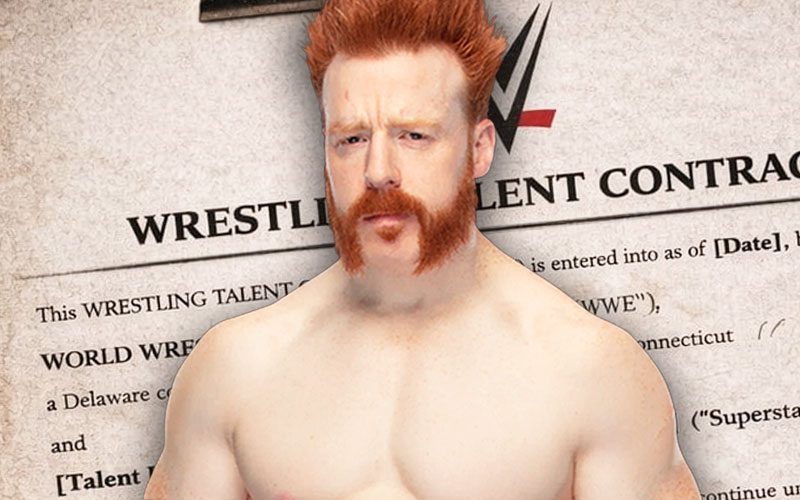
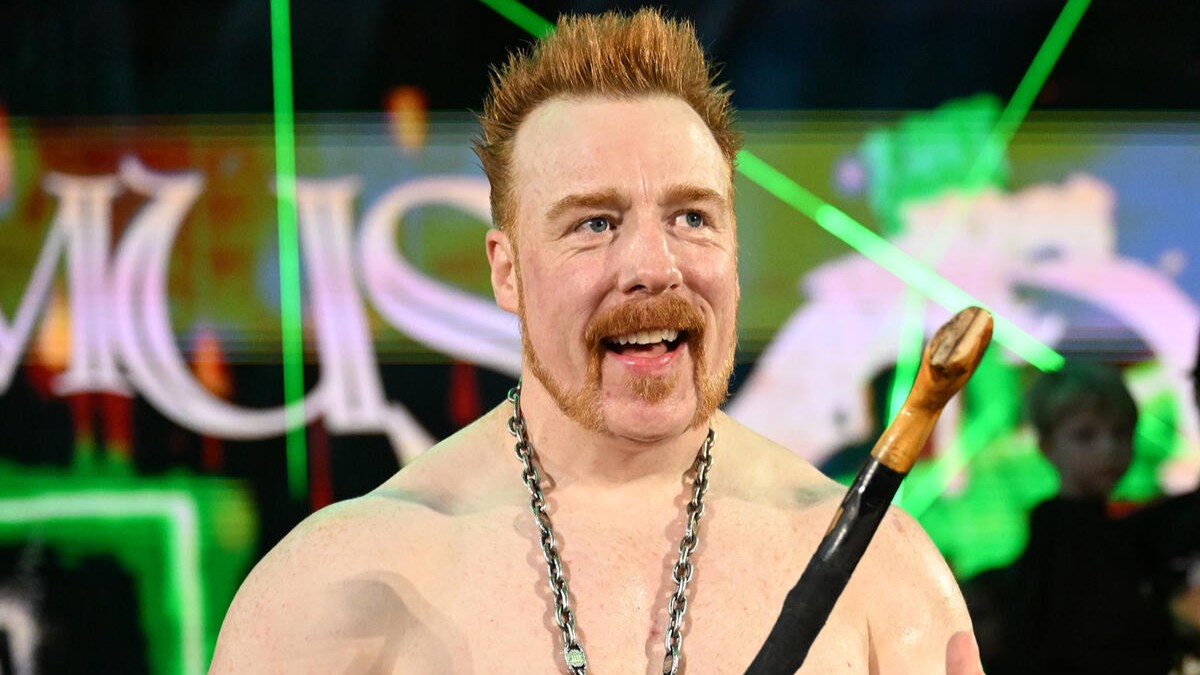
When Sheamus gave an update on his injured shoulder this week, the tone was unmistakably grim. He has been on the shelf since November 2025, recovering from a December surgery that completely erased his Road to WrestleMania 41. His quote was telling.
"This one's been difficult, it kind of came out of nowhere."
With all due respect to the Celtic Warrior, that is a lie. A beautiful, necessary lie that athletes tell themselves to keep lacing up their boots, but a lie nonetheless. A massive shoulder injury for a guy who has spent the last three years working the most physically punishing style on the roster does not come out of nowhere. It comes from hundreds of repetitions of throwing two-hundred-and-fifty-pound men around like they are sacks of potatoes.
The Renaissance Built on Bruises
To understand why this injury hurts so much for fans, we have to look at the recent past. The late-stage career renaissance of Sheamus was one of the most unexpected and purely enjoyable things in modern WWE. For a long time, he was the guy with the ridiculous mohawk and the much-maligned League of Nations baggage. He was a solid hand, a former champion, but nobody was calling him the workhorse of the company.
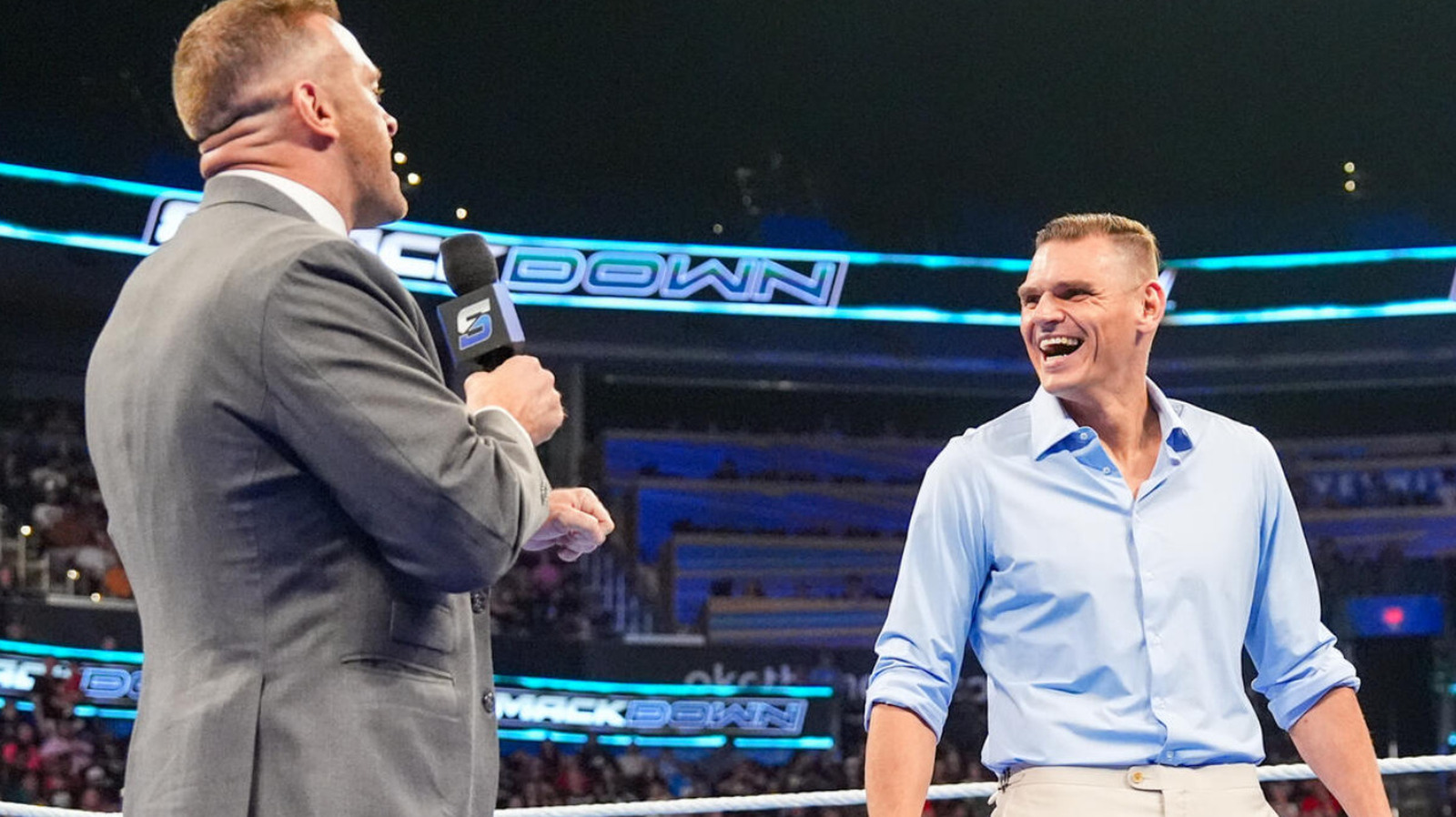
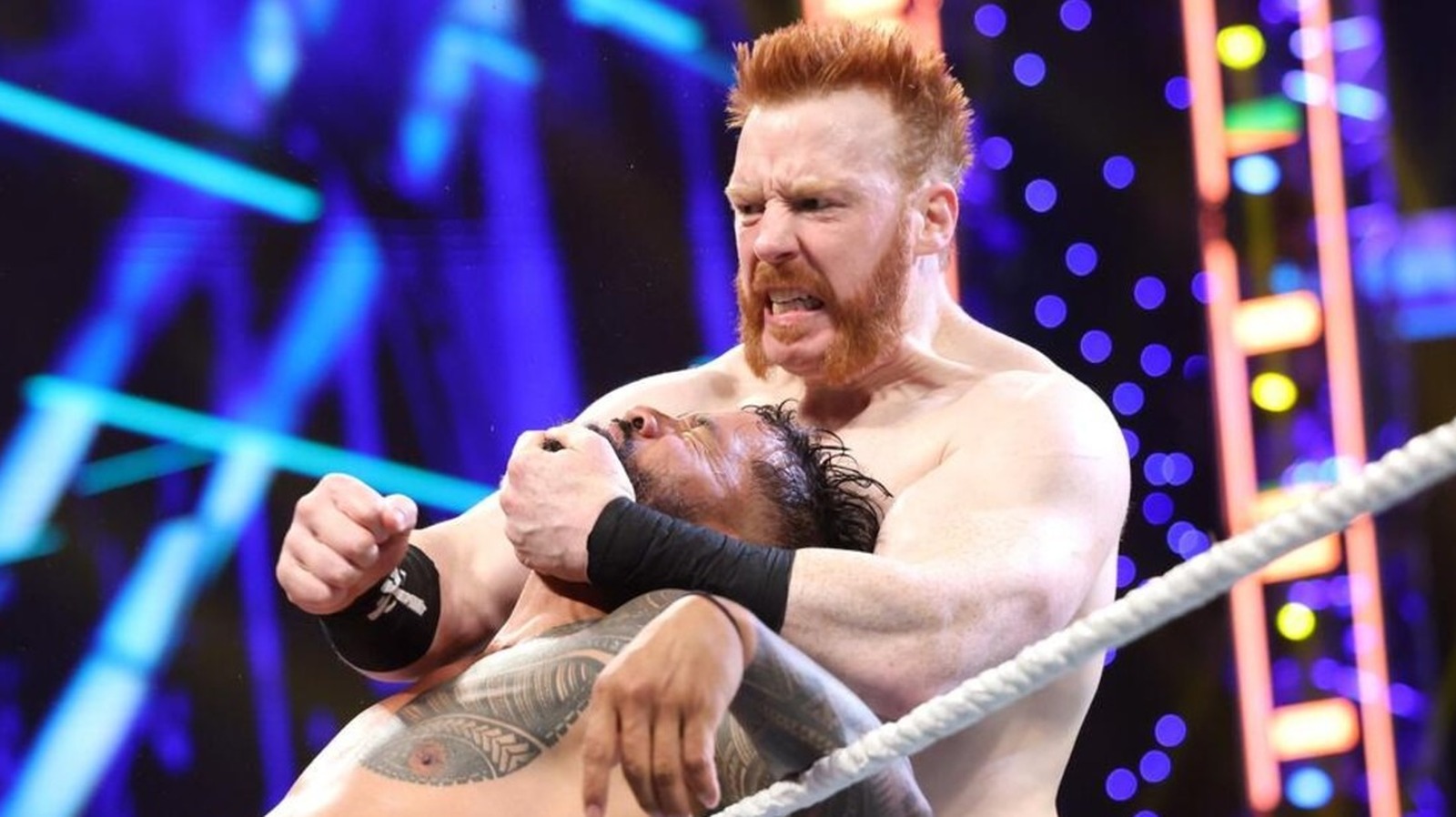
Then something clicked. He started putting on absolute clinics. The Intercontinental Championship match against Gunther at Clash at the Castle in 2022 was a violent masterpiece. They beat the absolute hell out of each other for exactly 19 minutes, leaving chests looking like raw hamburger meat. It was the birth of the "Banger After Banger" era.
Fans ate it up. The Brawling Brutes became one of the most reliable acts on television. Whenever Sheamus was on the card, you knew exactly what you were getting. You were getting a hard-hitting, bruising, stiff match that felt like a chaotic bar fight. It was a massive departure from the overly choreographed, heavily scripted style that plods through so much of WWE programming.
But that style has a terrifying price tag. You cannot trade stiff lariats with Gunther, Drew McIntyre, and Bronson Reed every week without your own joints absorbing the shockwave. The human shoulder is an incredible piece of machinery, but it is not designed to repeatedly hoist giants into the air for a White Noise slam.
Creative Malpractice and the Veteran Trap
This is where WWE creative deserves some serious criticism. We love seeing our favorites go out there and tear the house down, but there is a distinct lack of long-term planning when it comes to utilizing aging veterans.
Sheamus is forty-eight years old. Let that sink in. He is pushing fifty, and WWE was booking him like he was a twenty-five-year-old rookie trying to make a name for himself in a Tokyo dome. Instead of protecting him, instead of evolving his character to rely more on ring psychology and less on sheer physical trauma, they just kept throwing him into the meat grinder.
Every single week on Monday Night Raw or Friday Night SmackDown, it was another punishing singles match. Another physical war. Where was the protection? Why was he not being utilized more effectively in tag team situations where he could pop the crowd with his signature spots and tag out? The Brawling Brutes were right there. Pete Dunne and Ridge Holland could have taken the heavy bumps, letting Sheamus play the role of the devastating hot-tag enforcer.
Instead, WWE broke up the faction. They left Sheamus isolated as a singles competitor, forcing him to carry the physical load night after night. It was incredibly short-sighted. They traded the long-term health of one of their most reliable stars for a few months of good television ratings. Now, the midcard feels hollow, and Sheamus is sitting at home doing rehab exercises with resistance bands.
The Emptiness of the Current Midcard
Look at the current state of Monday Night Raw. The void left by the Celtic Warrior is massive. Without him gatekeeping the upper midcard, there is a distinct lack of physical credibility in the title pictures. When a rising star needs to prove they are tough enough for the main event, Sheamus was the ultimate test. You had to survive the Ten Beats of the Bodhrán before you could even think about challenging for a world championship.
Who fills that role now? Drew McIntyre is busy dealing with his own chaotic feuds and world title aspirations. Gunther has moved beyond being a gatekeeper and into the stratosphere of the main event scene. The company lacks a credible, terrifying veteran who can legitimize the younger talent by beating them to a pulp.
Missing WrestleMania 41 is a brutal pill to swallow for him. Allegiant Stadium would have come unglued for a proper Sheamus match. Instead, he was sitting at home, watching Cody Rhodes defend the WWE Championship and the Bloodline drama unfold, completely unable to contribute to the biggest weekend of the year. He has been out of action for over 150 days, and every single one of those days must feel like an eternity.
The Brutal Reality of Rehab
Recovering from a major shoulder surgery is a nightmare at any age. Doing it in your late forties, knowing that the window for your career is rapidly closing, must be a psychological torture chamber. This is why his quote is so frustrating to hear.
When he says it has been difficult, you can hear the exhaustion. The physical therapy for a rebuilt shoulder involves months of excruciating, microscopic movements just to regain a normal range of motion. It is not glamorous. It is not like a training montage in a Rocky movie. It is sitting in a sterile room, trying to lift a two-pound weight above your head without wincing in agony.
And let us be honest about the return. Will he ever be the same? A torn shoulder fundamentally changes how a wrestler operates. The strength required to hit a Brogue Kick safely, balancing entirely on one leg while throwing your body weight backward, requires immense upper-body stabilization. If that shoulder is even slightly compromised, the whole mechanic falls apart.
What Happens Next
I want to see Sheamus back in the ring. I want to hear the crowd erupt when that heavy bassline hits and the lights go green. I want him to get the massive farewell run that he absolutely deserves for carrying so much of this company's midcard over the last decade and a half.
But WWE needs to learn a lesson here. You cannot keep milking your aging stars for five-star physical wars without putting a plan in place to protect them. The nostalgia act only works if the performer can actually walk down the ramp.
If and when Sheamus returns, things have to change. He needs a lighter schedule. He needs to transition away from the gimmick of reckless violence and into something that relies on his incredible comedic timing and undeniable charisma. Let him manage a new faction. Let him be the grizzled veteran who only wrestles on premium live events.
The Celtic Warrior has given enough blood, sweat, and torn cartilage to this business. He does not owe us another twenty-minute classic. He owes it to himself to heal properly and finish his career on his own terms, rather than being forced out by a body that simply cannot take the abuse anymore. We will gladly take a slightly slower, safer Sheamus over a retired Sheamus any day of the week.
Read Next