The Abrupt Halt
Wrestling is rarely kind to aging bodies. It is exceptionally cruel to those who work the bruising style Sheamus does. The Irish veteran has been missing from WWE television since November. He quietly disappeared from the weekly grind. Now, we finally have a clearer picture of why.
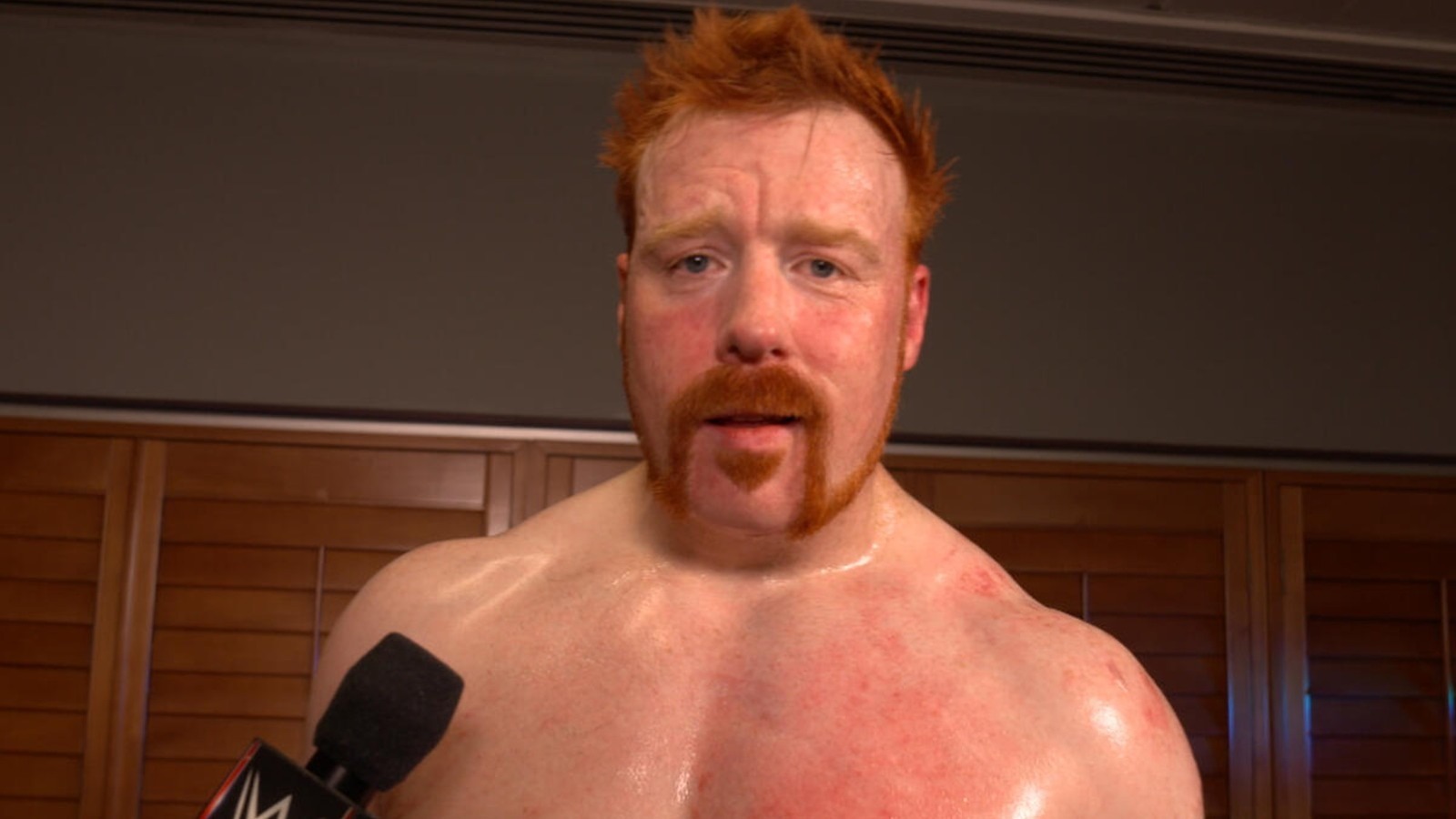
According to a recent update from WrestleTalk, Sheamus is dealing with a significant shoulder injury. In his own words, the situation has been deeply frustrating.
"This one's been difficult, it kind of came out of nowhere," Sheamus stated.
That brief admission tells a larger story. For a man who built a Hall of Fame career on sheer force, an injury coming "out of nowhere" usually means a joint simply gave up. It is the insidious nature of wrestling injuries. Sometimes it is not a spectacular crash through an announce table. Sometimes, a routine clothesline is the final straw for a frayed tendon.
The Lost Season
The timing could not have been worse. Going down in November meant missing the entire buildup to the biggest events on the WWE calendar.
He sat out the Royal Rumble. He watched WrestleMania 41 in Las Vegas from the sidelines. For a veteran in the twilight of his active career, missing these premier events is a bitter pill. You only get so many WrestleManias. Watching the showcase from a luxury box while Cody Rhodes and John Cena dominate the marquee is not how a competitor like Sheamus operates.
The physical toll is one thing. The mental toll of rehabilitation is arguably harder. Shoulder injuries are notoriously tricky. The shoulder is the most mobile joint in the human body, relying on a complex web of muscles to maintain stability. For a professional wrestler, that stability is non-negotiable.
The Mechanics of the Damage
Think about the offensive repertoire Sheamus uses. The Ten Beats of the Bodhrán requires rapid, forceful extension of the shoulder. The White Noise places the dead weight of an opponent directly onto his upper body. The Brogue Kick requires massive upper-body torque to brace for impact upon landing.
To the casual viewer, running the ropes looks effortless. In reality, ring ropes are heavy elevator cables wrapped in tape. Hitting those cables with your upper back dozens of times a match causes constant micro-trauma. When a shoulder is compromised, rebounding off the ropes sends shooting pain down the arm.
When a shoulder goes out, a wrestler loses the ability to post. Posting—using your arm to slap the mat and absorb impact—is the fundamental safety mechanism drilled into every performer. Without a functional shoulder, taking a standard suplex is a terrifying gamble. The impact has to go somewhere. If the shoulder cannot absorb it, the neck takes the brunt.
This is why recovery cannot be rushed. Whether it involves a rotator cuff tear or labrum damage, wrestlers returning prematurely invariably suffer setbacks. The joint cannot be protected during a live match.
A History of Beating the Odds
This is not the first time Sheamus has stared down a career-threatening issue. We have to look at his medical history to understand his current predicament.
Years ago, he was diagnosed with spinal stenosis. It is the same narrowing of the spinal canal that ended the careers of Edge and 'Stone Cold' Steve Austin. Many assumed the Celtic Warrior was finished. Instead, he dropped weight, overhauled his conditioning, and returned to have the absolute best run of his career.
His 2022 campaign redefined his legacy. The brutal war with Gunther at Clash at the Castle in Cardiff transformed him from a reliable heel into a beloved, gritty brawler. He put on masterclasses in physical storytelling.
But overcoming spinal issues in your late 30s is one thing. Rehabilitating a blown shoulder in your mid-40s is an entirely different beast. The body does not regenerate tissue at the same rate. Muscle atrophy sets in faster. Every major injury past the age of 40 carries the silent threat of being the final one.
The Roster Impact and Booking Flaws
His extended absence exposes a glaring issue with WWE’s current roster construction. The company leans heavily on reliable veterans to anchor the weekly television product.
When you lose a workhorse like Sheamus, the midcard loses its primary gatekeeper. He was the physical measuring stick. If a young talent wanted to prove they belonged, they were thrown in the ring with Sheamus for 15 minutes to survive the bruising pace.
Without him, WWE has struggled to replicate that specific brand of hard-hitting violence. It highlights a very real booking failure. WWE has not built the next generation of pure brawlers. While they have an abundance of high-flyers, the roster is dangerously thin when it comes to believable bruisers who can anchor a 20-minute match.
We have seen younger powerhouses emerge, but they rely on explosive sprints rather than attritional pacing. Relying on guys with massive miles on their odometers to carry this style is incredibly risky. The company has squeezed every ounce of value out of its older talent. This November injury is the consequence of that reliance.
The Intercontinental Dream Deferred
The narrative weight of this injury centers on the one accolade missing from his resume. Sheamus has won world championships. He won the Royal Rumble. He secured King of the Ring.
The Intercontinental Championship is the final piece of his Grand Slam puzzle. It became the defining motivation for his character. The chase for the workhorse title resonated deeply with fans because it mirrored his real-life resurgence.
This shoulder injury puts that quest on ice. Depending on the severity of the structural damage, it might extinguish it completely. A return before late summer 2026 feels highly optimistic. That pushes any potential title program deep into the back half of the year.
What Comes Next
The phrase "came out of nowhere" heavily suggests an acute tear rather than purely chronic degeneration. If a tendon snapped unexpectedly during a routine sequence, surgery is the required path.
The rehabilitation process for a severe shoulder reconstruction is agonizing. It involves weeks of total immobilization in a sling, followed by months of painful physical therapy just to regain basic range of motion. Building wrestling-ready strength takes even longer. Only after the joint is fully stable—often six to nine months post-surgery—can a wrestler take practice bumps.
Sheamus has earned the right to dictate his own ending in this industry. He has given his body to the business in a way very few ever have. But the cold reality of wrestling is that the ring rarely lets you write your final chapter.
For now, the focus is purely on healing. The locker room is noticeably quieter without him, and weekly television lacks his signature intensity. Fans will have to wait, hoping the Celtic Warrior has one more impossible comeback left in him.