The Garden hosted a hollow spectacle
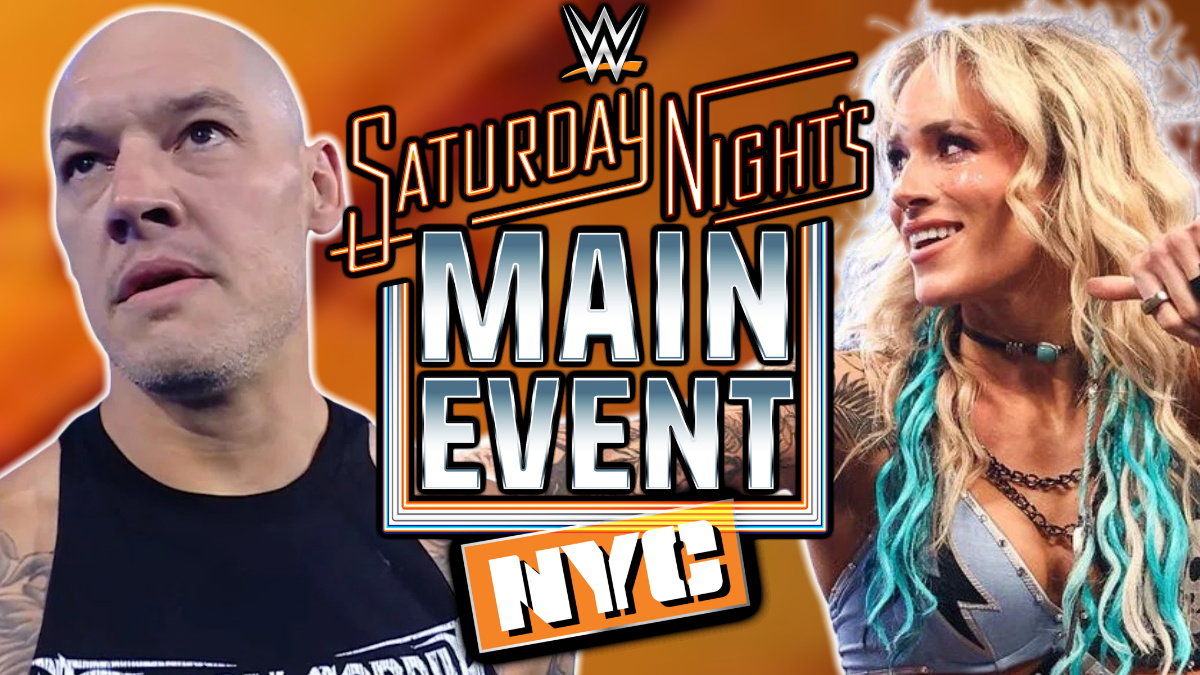
Returning to Madison Square Garden should be a career-defining moment for any performer. Instead, the July 18 return of Saturday Night's Main Event proved that even the most historic venue cannot save a card burdened by thin booking and celebrity distractions. With a mere four matches on the docket, the promotion effectively signaled that the in-ring output was secondary to the spectacle.
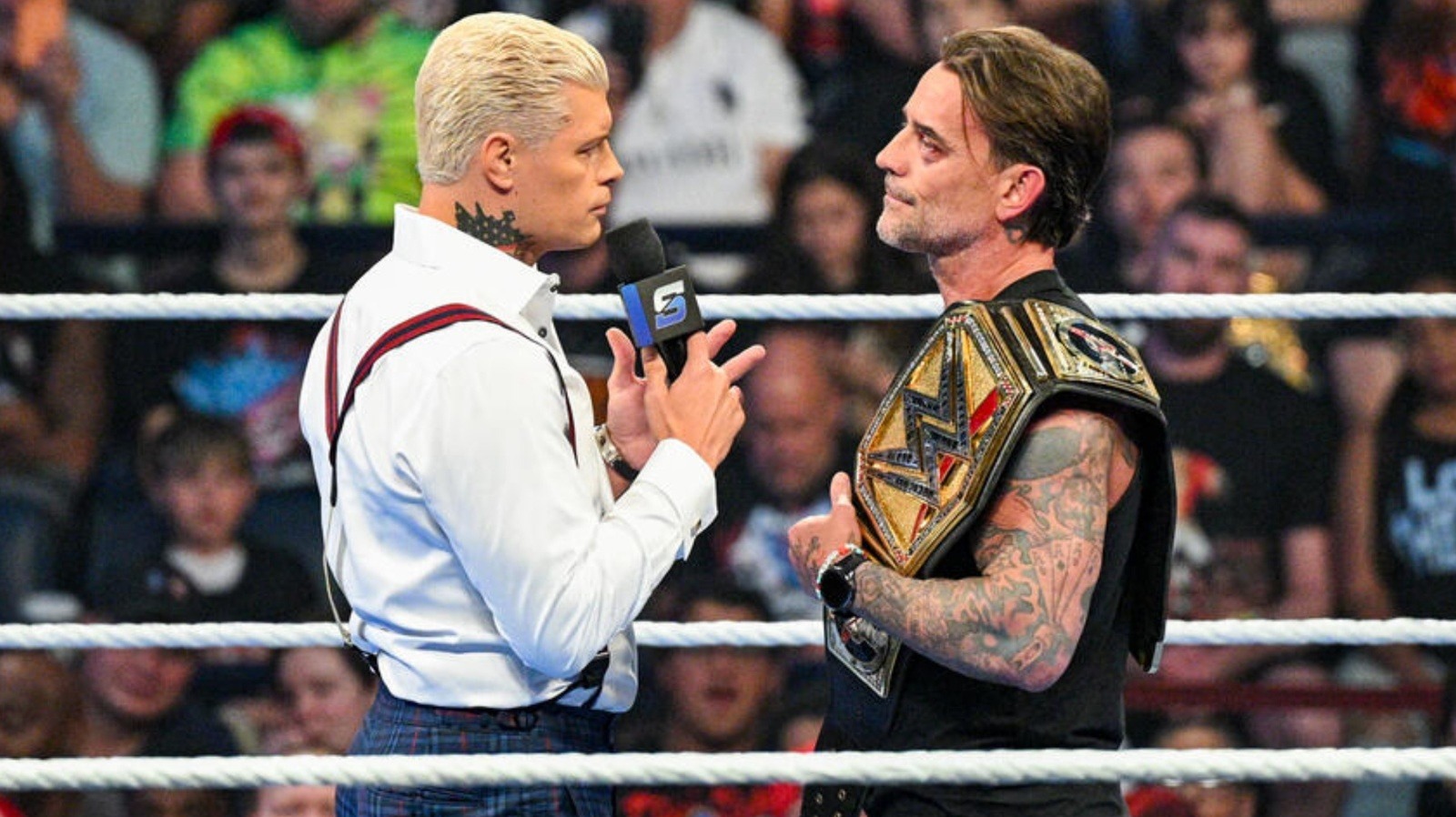
The headline attraction was not even a traditional bout in the eyes of many, but a tag team affair involving CM Punk. Even with high-caliber names like Gunther and Sami Zayn in the mix, the narrative focus shifted toward Nick Aldis interfering to kill their momentum. When a title shot for SummerSlam is stripped away by administrative fiat rather than a clean pinfall, the sport loses the gravity that built the Garden’s reputation.
The mechanics of the card’s failure
The Women’s Tag Team Championship changed hands, with Fatal Influence securing the gold. While a title change provides a jolt of energy, the surrounding structure of the show felt haphazard. Booking four matches for a prime-time broadcast in the world’s most famous arena is an exercise in restraint that boarders on negligence. It leaves zero room for the mid-card talent to prove their worth before a crowd that likely paid premium prices for a, at best, truncated experience.
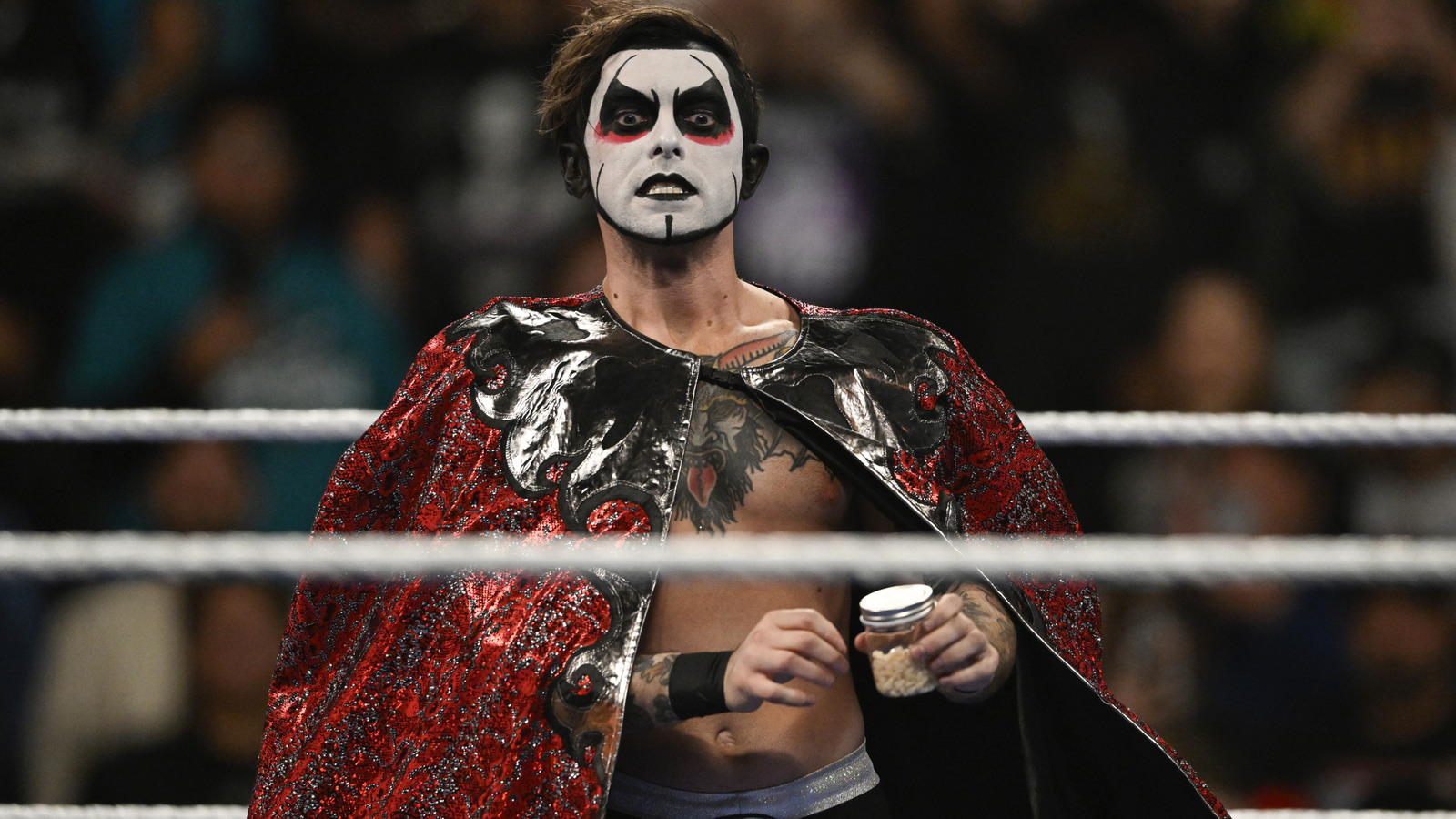
Elsewhere, the reliance on outside intervention hit a fever pitch. Danhausen’s victory over JD McDonagh in a No DQ match relied entirely on the presence of NBA champion Karl-Anthony Towns. As reported by Ringside News, the involvement of mainstream athletes is a tried-and-true trope, but it serves to devalue the technical proficiency of the roster. When you need a basketball star to secure a finish in a gimmick match, you are admitting that your own creative engine is stalling.
A frustrating look ahead
Lyra Valkyria made Bayley pass out in a submission, a decisive result that provided perhaps the only genuine high point of the evening. It was a technical highlight in a night otherwise defined by power plays and external cameos. WrestlingNews.co confirms that while the finish was clean, it remained an outlier in a card that otherwise prioritised segments over wrestling.
We have to be honest about the cost of these decisions. When you relegate your marquee wrestling talent to sub-ten-minute windows to make time for celebrity walk-ons and authority-figure interference, you are betting against your own product's core appeal. The audience at MSG witnessed a four-match card in an era where deep, layered storytelling should be the standard. It was a missed opportunity to leverage the history of the building, opting instead for a broadcast that felt like a placeholder rather than a premier event.
My prediction for the path forward? WWE will ignore these criticisms, citing the social media engagement generated by the cameos. They will continue to treat the ring as a stage for personality management rather than athletic competition. Expect next month’s lead-up to SummerSlam to follow this exact blueprint: more distractions, fewer clean finishes, and a total disregard for the fans who just want to see a standard, well-booked match.