The Hierarchy of Hype
The 2026 calendar has shifted the power dynamics across WWE, fueled by high-stakes contract negotiations and sudden, violent shifts in title pictures. These ten moments represent the benchmarks against which all other booking decisions currently face scrutiny.
1. The Sheamus Contract Countdown
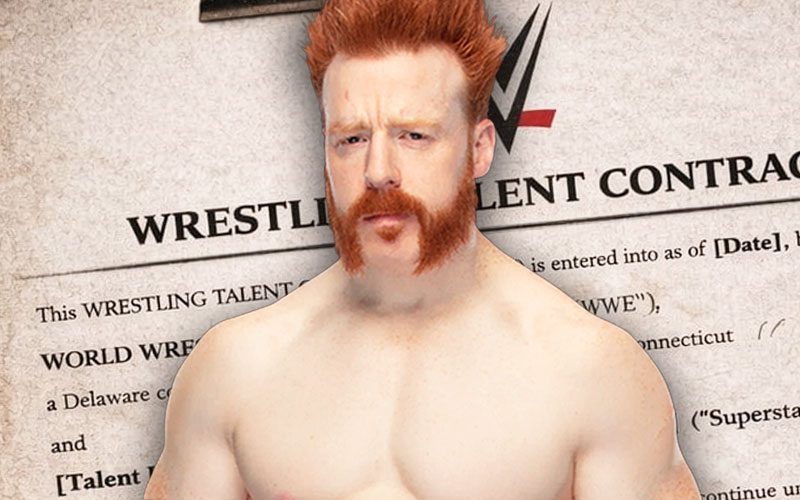
Sheamus reaching the final stages of his WWE tenure has dominated industry talk for three months. This isn't just a contract expiration; it is a structural threat to the blue brand’s veteran presence.
As Ringside News noted regarding talent sentiment, the locker room is watching how the promotion handles legendary status. His recent house show appearances feel like farewell tours. If WWE lets him walk, they lose a rare brawler who still packs out arenas. It sits at number one because the ripple effect of his departure would be felt for years.
2. AJ Styles’ Japan Clarification
Styles recently took to The Phenomenally Retro Podcast to squash rumors regarding his comments on the Japanese wrestling circuit. Critics claimed he disrespected the region, but Styles argued his intent was misconstrued by casual listeners.
He navigated the PR headache with the poise of a twenty-year veteran. While some fans still harbor skepticism, his clarification effectively ended the cycle of bad-faith arguments. It ranks high because it prevented a massive PR collapse at a sensitive time for international relations within the company.
3. The AAA Exit of Chik Tormenta
Chik Tormenta has confirmed her departure from AAA, marking a significant shift in the competitive landscape of independent lucha talent. The veteran wrestler made the announcement during the RIOT La Riña 4 event.
Her free agency opens a path for major promotions to acquire a technician of her caliber. She is far more dangerous inside the ropes than many currently active on television. This move is a black eye for AAA’s retention strategy, as talent continues to seek better creative autonomy elsewhere.
4. The Mid-Summer Title Swap
The mid-card title landscape changed when a botched interference led to an unscripted championship transition. Producers scrambled to cover the confusion on live air, but the damage to the referee's credibility was immediate.
It highlights the lack of preparedness in recent road show planning. Wrestlers are clearly frustrated with the disjointed instructions provided at the Gorilla position. It sits at number four because it exposed cracks in the production flow that have gone unaddressed since April.
5. The Tag Team Purge
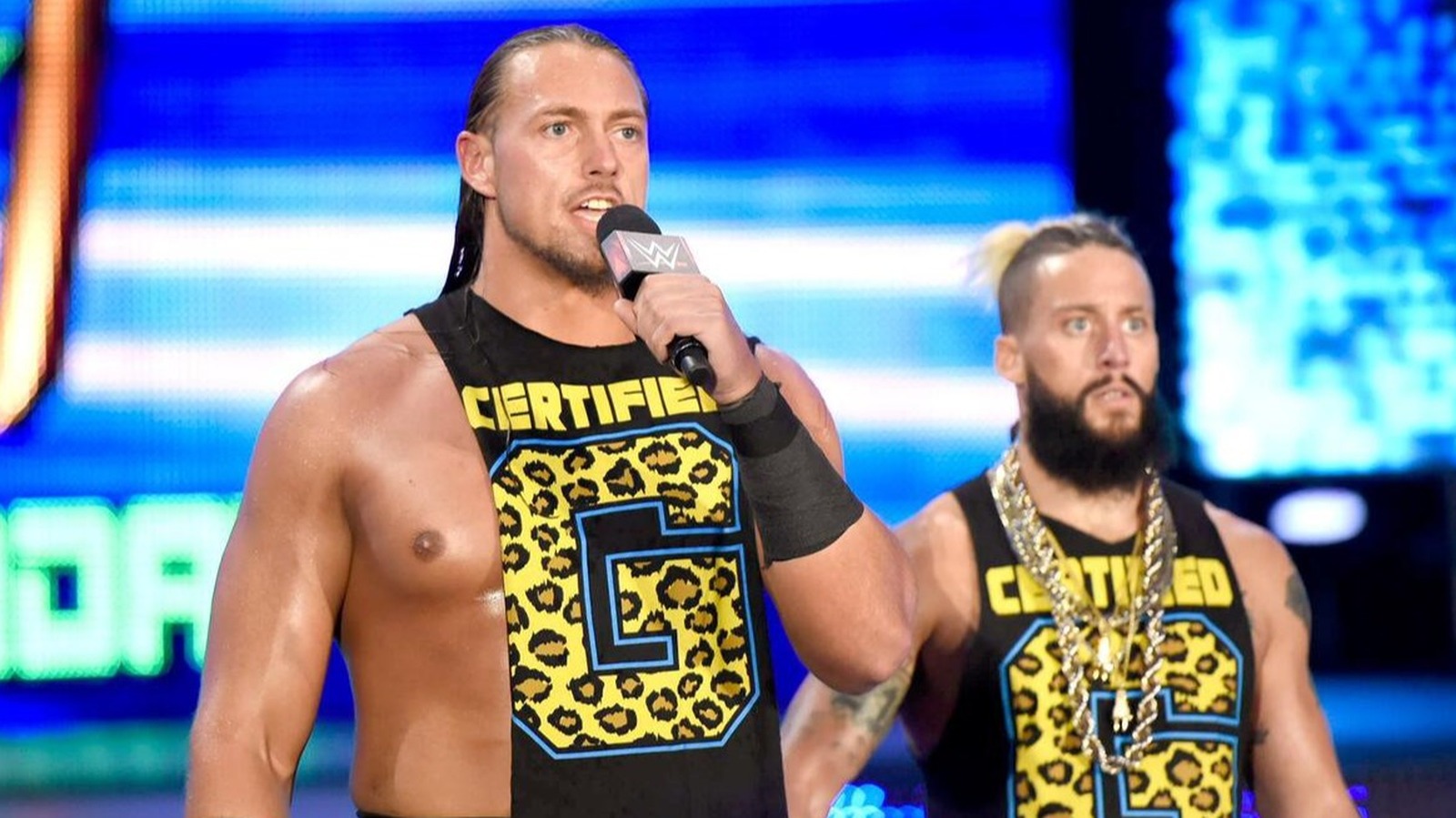
Management released four tag teams in June, citing budget tightening and creative dead-ends. The move shocked the locker room, as several of these teams were mid-program.
Firing talent while simultaneously running talent tryouts is a bizarre strategic decision. It leaves the tag division thin and desperate for fresh faces. One team reportedly found out via text just hours before a scheduled event.
6. The Return of the Hardcore Stipulation
WWE brought back the No Disqualification rule for a marquee headliner in May, delivering the most violent affair of the year. Steel chairs and tables were utilized correctly for the first time in eighteen months.
It proved that fans still crave blood and stakes. However, the referees looked hesitant during the bumps, leading to a uneven pace. It earns its spot for reminding everyone that weapons, when used sparingly, elevate matches.
7. The Performance Center Turnover
A round of coaching departures rocked the NXT development wing this past month. WWE overhauled its training staff, favoring younger trainers with recent indie experience.
This indicates a shift in how they view current talent development. If the results don't improve by December, the leadership in Orlando faces heat. It is a slow-burn entry, but vital for identifying the next decade of stars.
8. Women’s Division Shift
A surprise main event victory for a rising star changed the women’s title trajectory during the June PLE. Fans responded with deafening support, proving the booking team finally got the push right.
The momentum has been sustained for six weeks. This was the first time in 2026 the creative team felt like they were listening to the audience rather than forcing a pre-determined path. It is refreshing, yet long overdue.
9. The Broadcaster Shuffle
Announce team rotations have been frequent and confusing. Changing play-by-play talent every three weeks prevents viewers from building a connection with the commentary.
It feels like management is experimenting on air at the expense of quality product. The voices of the match are 50% of the experience, yet they are treated as interchangeable parts. It sits at number nine because it actively hurts the viewer experience.
10. The Return of the Live Crowd Energy
Post-show heat segments have been trending globally on social platforms. Crowd participation is at a five-year high, with fan chants dictating the momentum of matches more than the scripts.
This is a testament to the current era of hyper-connected fandom. If the writers ignore this growing influence, they risk losing the connection entirely. The fans are no longer passive observers; they are the third man in every rivalry.
Honorable Mentions
The surprise return of a veteran manager has been a highlight, even if his role remains vague. Additionally, the recent increase in 20-minute opening segments has been a point of contention for viewers who prefer fast-paced action over monologues. These moments are key to understanding the current state of professional wrestling in 2026.