WrestleMania is sold to us as the ultimate escape. It is the weekend where the regular world stops and the scripted drama takes over. Fans pack into stadiums, completely ignoring the reality of the Monday-to-Friday grind.
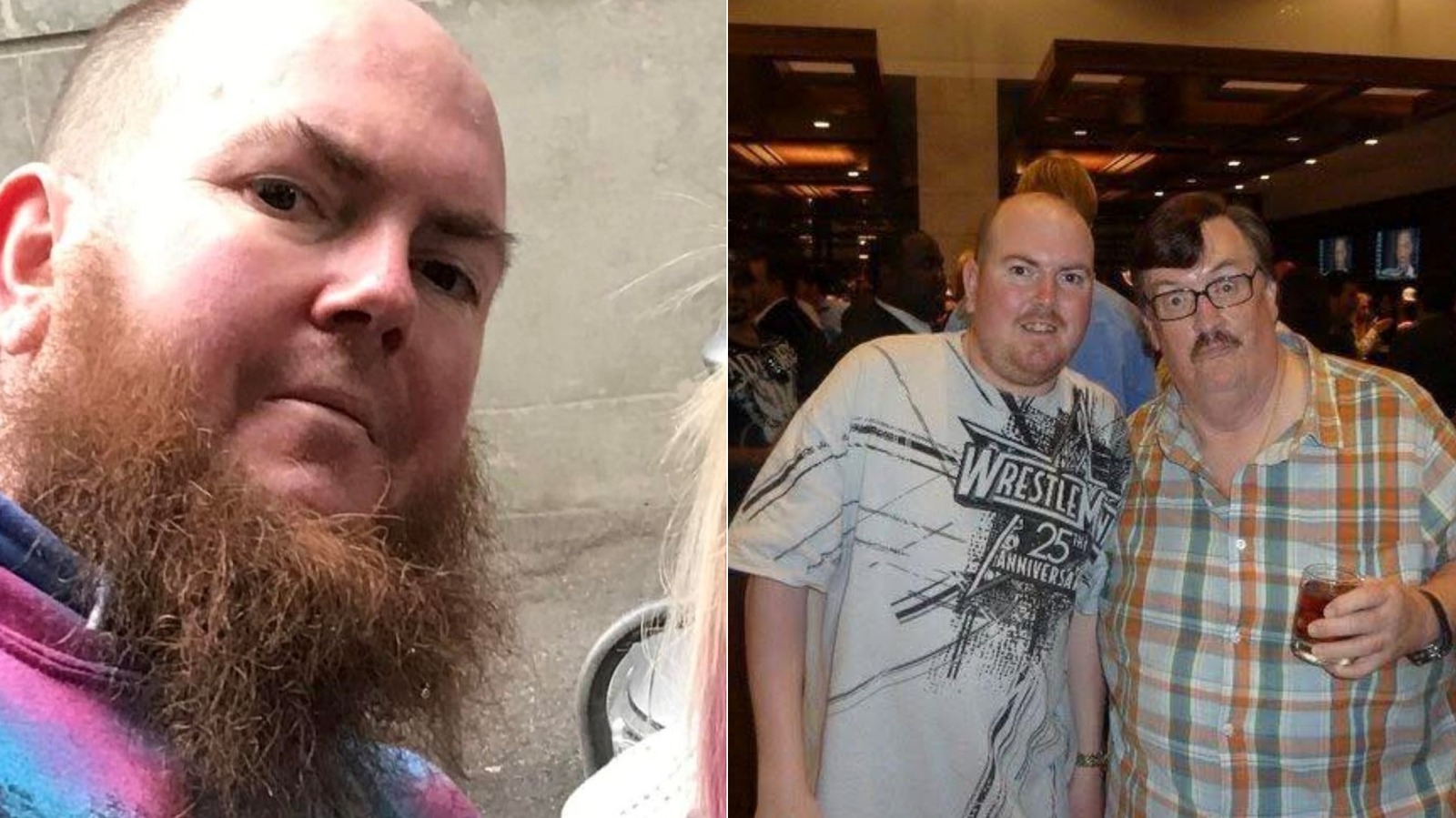
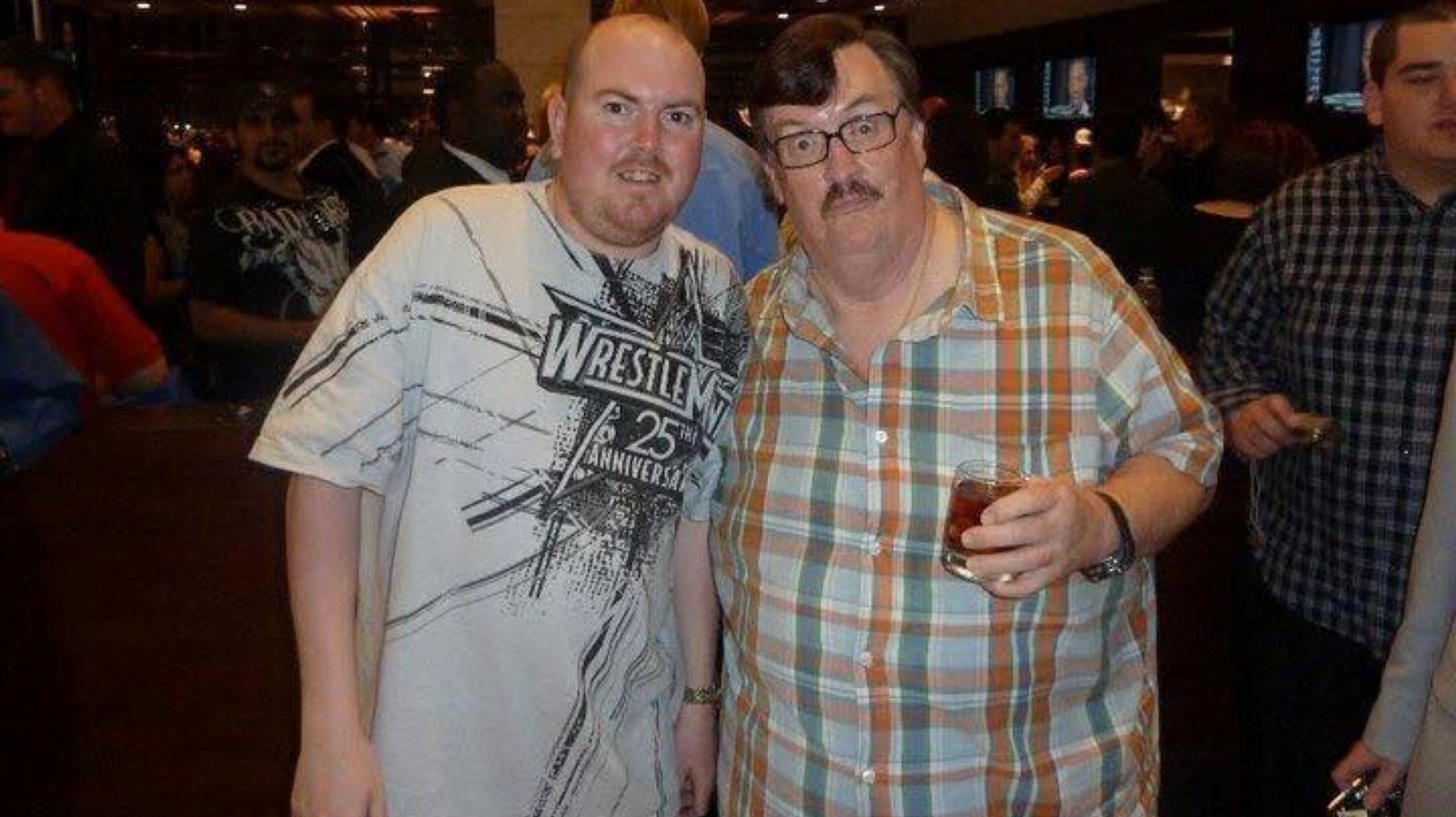
For Marc Izard, a fan who traveled from the United Kingdom to Las Vegas for WrestleMania 41, that escape ended in an unimaginable tragedy. He passed away during the event weekend. Now, instead of sharing stories about the matches, his family is dealing with the crushing logistical nightmare of bringing his body home.
A GoFundMe campaign has been launched by Izard's family, as reported by Wrestling Inc. They are trying to raise the funds necessary for repatriation. Getting a deceased loved one back across the Atlantic from Nevada to the UK is not a simple process.
It involves a web of international regulations, specific funeral home coordination, and massive transport fees. Travel insurance sometimes falls short or gets tied up in weeks of red tape. The family needs help right now, not a month from now.
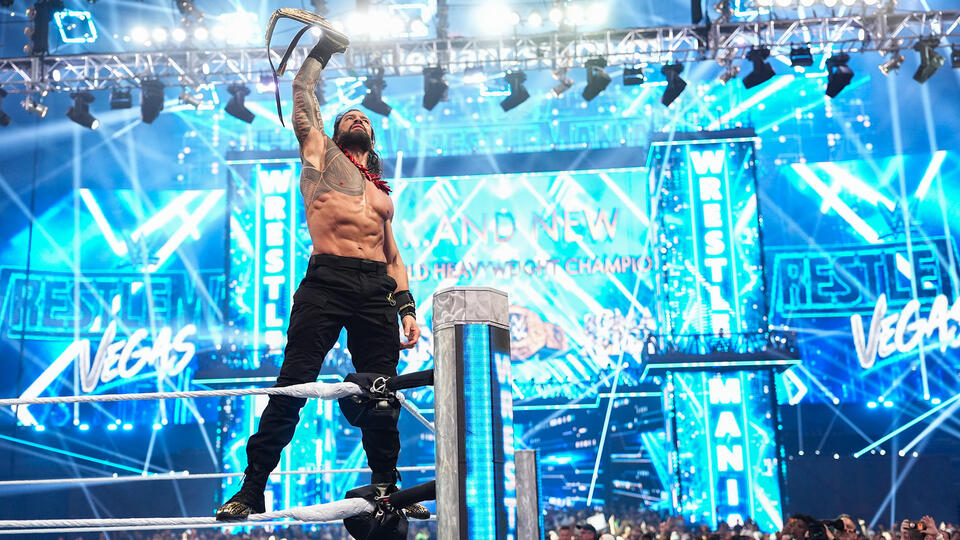
This was a monumental weekend for the sport. WrestleMania 41 at Allegiant Stadium was billed as a generation-defining event. We saw the beginning of John Cena's farewell tour. We watched CM Punk finally get his massive stadium moment.
Cody Rhodes defended the WWE Championship against a relentless challenger while the Bloodline saga continued to dominate the main event picture. British fans are famous for making the pilgrimage for massive stadium cards exactly like this. They save up for months, sometimes years, just to secure a basic hotel room and a decent ticket on the Strip.
They deal with jet lag, overpriced food, and chaotic transport, all for the love of the show. Izard was one of those dedicated thousands. He made the trip that so many fans dream of making.
The brutal logistics of loss
The cost of repatriating a body from the US to the UK typically runs into the thousands of pounds. There are fees for embalming according to strict international transport standards. There is the cost of specialized caskets designed specifically for air travel.
Then you have the sheer expense of cargo space on a commercial flight out of Harry Reid International Airport. Families are suddenly forced to become logistics experts while navigating the absolute worst grief of their lives. A GoFundMe isn't a luxury in this scenario. It is a desperate necessity.
The link is currently circulating across social media. Fans are sharing it, dropping small donations, and trying to get the attention of high-profile wrestlers. A single retweet from a main event talent can push a campaign past its goal in a matter of hours.
It is an imperfect system. It relies on the algorithmic lottery of Twitter and Instagram to fund a basic human need. But right now, it is the only system the family has at their disposal.
If you have ever traveled for a major wrestling show, you know the feeling of camaraderie in the host city. Every bar and restaurant in Las Vegas was filled with people wearing vintage wrestling shirts. Everyone speaks the same weird, hyper-specific language of professional wrestling.
Izard was part of that shared experience. He was in the crowd, absorbing the same moments, the same entrances, and the same near-falls as the rest of the building. To lose a member of that traveling circus is a heavy blow.
The corporate silence
This situation highlights a jarring disconnect in modern professional wrestling. We just watched WWE pull off a massive stadium show in Las Vegas. The revenue figures from ticket sales, merchandise, and site fees were astronomical.
Yet, when a fan who paid into that massive corporate system suffers a tragedy, the financial safety net is almost entirely crowd-funded by other working-class fans. It is a frustrating reality. The corporate wrestling machine loves to talk about the "WWE Universe" as a family.
They sell merchandise based on that connection. But when real life crashes into the fantasy, the corporation goes completely quiet. There is no billionaire safety net for the fans who make the billionaires possible. The burden falls squarely back on the community.
You have to wonder if massive entertainment companies should carry some form of catastrophic coverage. Not just liability for slips and falls inside the venue, but a broader support structure for the international travelers they actively court. Las Vegas actively subsidized the event to bring tourists in.
WWE pocketed millions in profit. Their television deals alone guarantee massive revenue before a single ticket is even sold. A fraction of a percent of the live gate could instantly relieve the financial panic for a family dealing with an unexpected death. It would be a rounding error on their quarterly earnings report.
Instead, we get radio silence from the top. The show moves on. WWE Backlash is just days away on May 9. The storylines advance without missing a single beat. The corporate side of wrestling is inherently cold.
It is designed to keep churning out television content and merchandise regardless of what happens in the margins of the arenas. It is a harsh juxtaposition against the deep emotional investment of the fanbase.
Corporate entities avoid acknowledging tragedies that happen in the orbit of their events. They want to avoid any implication of liability. It is basic legal strategy. It is also entirely devoid of empathy. They will gladly take the travel package fees. They will not cut a check to help a grieving family.
A community's responsibility
So it falls to the fans. It always falls to the fans. The people who bought the tickets next to him. The people who stayed in the same overcrowded hotels on the Vegas Strip.
The people who watched the broadcast from their couches at 3 AM in the UK. This is the real core of the wrestling industry. Not the executives in suites, but the fans who actually care about each other when things go horribly wrong.
Wrestling fans are often an incredibly cynical bunch online. The daily discourse is filled with toxic tribalism. We see endless, exhausting arguments over booking decisions, television ratings, and subjective match quality. But when something real happens, that same community shifts gears instantly.
We have seen it before with independent wrestlers needing surgery or fans facing sudden hardship. The tribal lines vanish. AEW fans and WWE fans stop arguing. People just want to help one of their own.
The focus right now has to remain on the Izard family. They sent someone off on what should have been the trip of a lifetime to Nevada. They are now waiting for him to come back in the worst possible circumstances.
The wrestling community stepping up is the only positive angle to this bleak story. The campaign page remains active. Contributions are ticking up slowly but steadily. The goal is simply to get him back to the UK.
It strips away all the nonsense we usually argue about in this sport. There are no star ratings here. There are no arguments about push or burial. There is just a grieving family trying to navigate an international nightmare.
We often talk about wrestling as a global community. This is the moment where that phrase actually has to mean something tangible. Retweeting a link is easy. Liking a post requires zero effort. Donating a few dollars or pounds is harder. It requires parting with your own hard-earned money in a tough economy.
But it is what actually moves the needle for the family. The wrestling news cycle moves incredibly fast. Today's tragedy is easily swallowed by tomorrow's backstage rumor.
We cannot let this family be forgotten in the rush to the next premium live event. They need to get Marc home. The link is out there. It is time for the community to do what the corporation will not.
Prediction: The GoFundMe goal will be entirely met and surpassed by Friday. We have seen this exact scenario play out with independent wrestlers, injured performers, and fellow fans in distress. The corporate machine will ignore the situation entirely to protect their bottom line, but the fanbase will not. The wrestling community will quietly fund the repatriation before the weekend is over, because fans always fill the financial gaps that the billionaires leave behind. They always have, and they always will.
Read Next
- Is AJ Lee back for good? WrestleMania 41 aftermath sparks contract rumours
- Oba Femi is retiring legends and the internet has notes
- Kevin Nash got cut from the Hogan Netflix doc and the IWC is losing its mind
- Swerve Strickland's creative limbo and Carmella's looming return redefine the April medical report
- 🏆 WrestleMania 41 — Full Coverage Hub