The clock on the Celtic Warrior
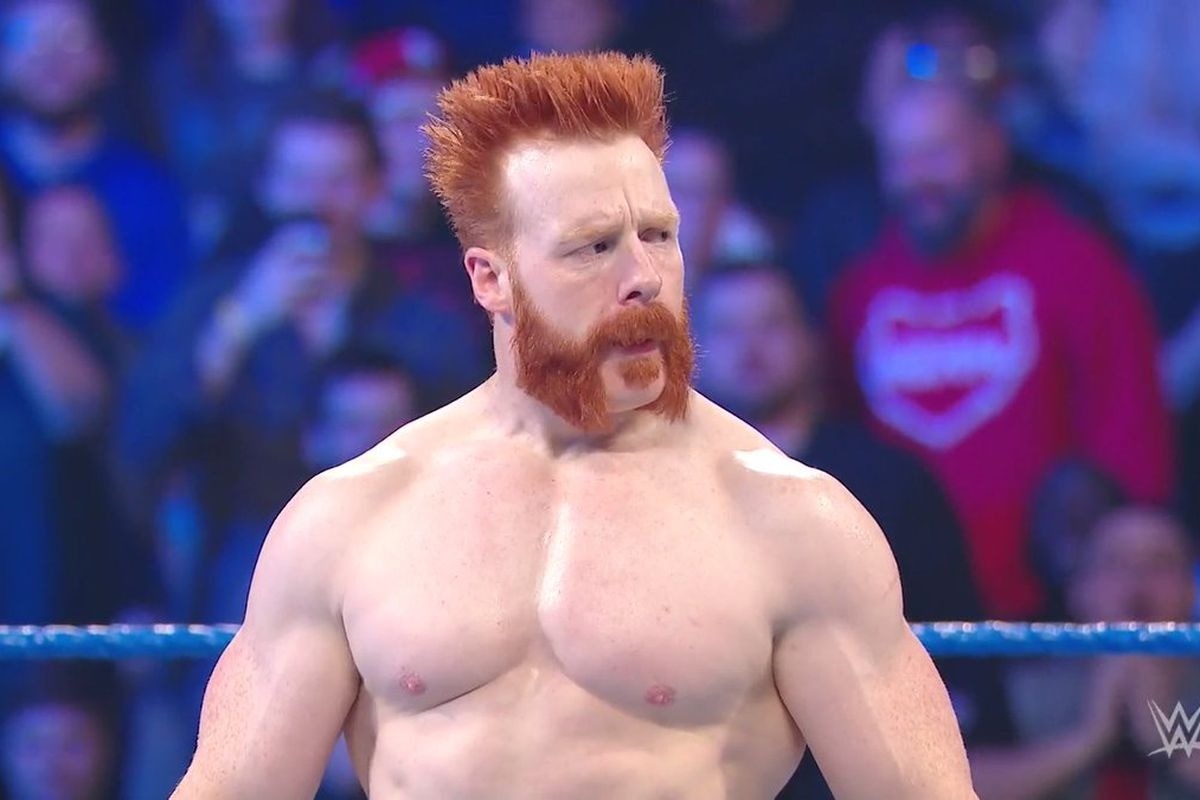
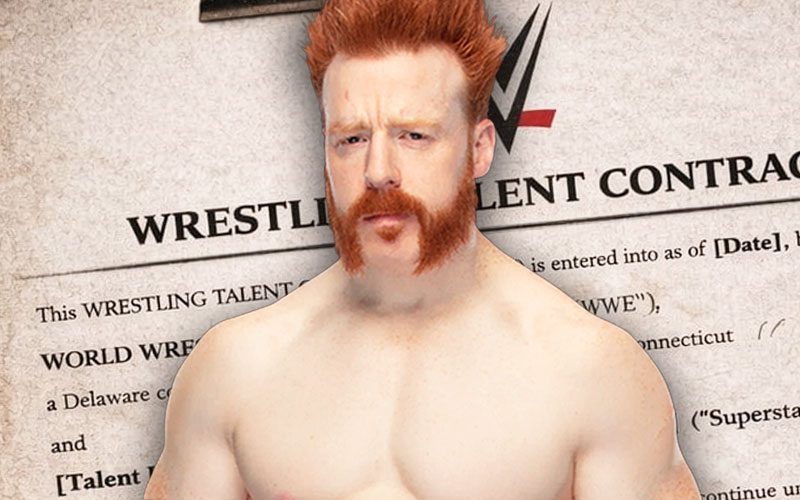
The status of Sheamus within current WWE programming has shifted from a reliable mid-card anchor to a glaring question mark. With recent reports clarifying his contract expiration date, we are entering the final window of his tenure. He has spent the better part of two decades as a physical workhorse, but the transition from active competitor to potential free agent carries significant weight.
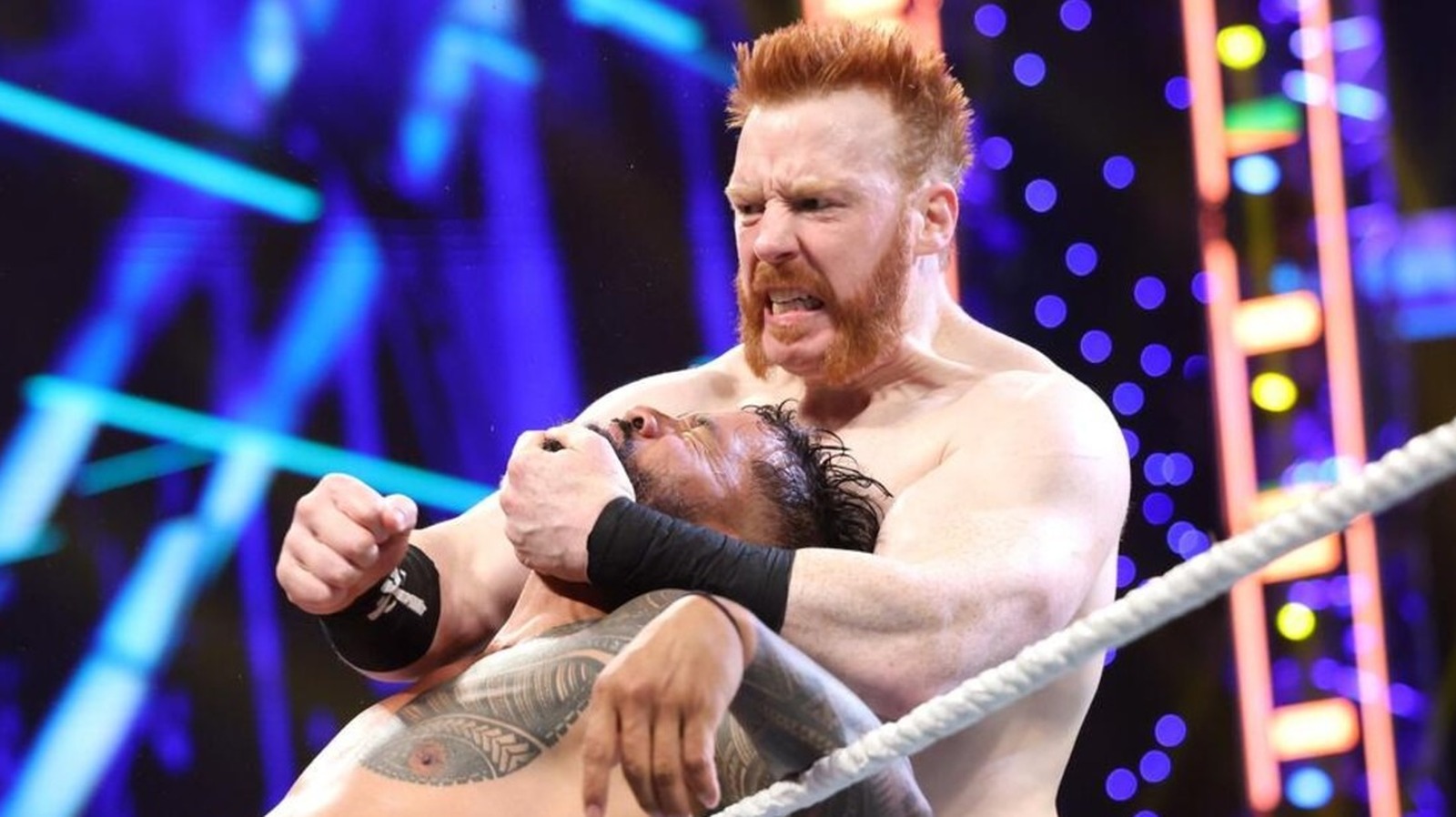
His recent work rate remains technically sound. Watching his exchanges over the last quarter, the pacing is clinical. He avoids the drift of many veterans, maintaining a high intensity in his strike velocity. However, the reliance on high-impact offense like the Brogue Kick—a move that requires immense lower-body explosion—is a declining asset for a veteran with his injury history.
The booking vacuum
WWE management has a habit of burning through veteran capital before a contract expires. We saw it with the shifting dynamic of The Vision during July, where internal factions dissolved under the weight of looming exit strategies. Sheamus is currently a victim of a similar lack of long-term narrative commitment.
He is being utilized as a utility player, bridging gaps between rising talent rather than anchoring marquee programs. From a tactical standpoint, this is a dangerous signal. It indicates the creative team has stopped viewing him as a central engine and instead uses him as a temporary barrier for newer strikers to bypass.
The move toward free agency
Looking at the broader market, the departure of established high-work-rate stars opens up specific needs for promotions looking to replicate the intensity seen in RIOT La Riña. Sheamus fills a niche: a physically imposing gatekeeper who can elevate younger talent through stiff, believable offense. If he hits the open market, he becomes an immediate candidate for high-level main events elsewhere.
My projection is that WWE will not offer a renewal matching his current market value. The company is leaning into a younger, higher-turnover roster density. He will likely finish his contract with a final, high-profile loss to put over a rising star—a classic exit booking move. Once that occurs, he will exit the company to test his value as a marquee free agent.
This is not a reflection of his skill, but of his utility. Wrestling is a brutal game of rotations. He has given the company 15 years of dependable service, but the patterns on television suggest that his time as a focal point is effectively over. Expect him to transition to a schedule that allows for a shorter, more impactful run in smaller, international arenas by the next calendar year.