The Anatomy of a Threat
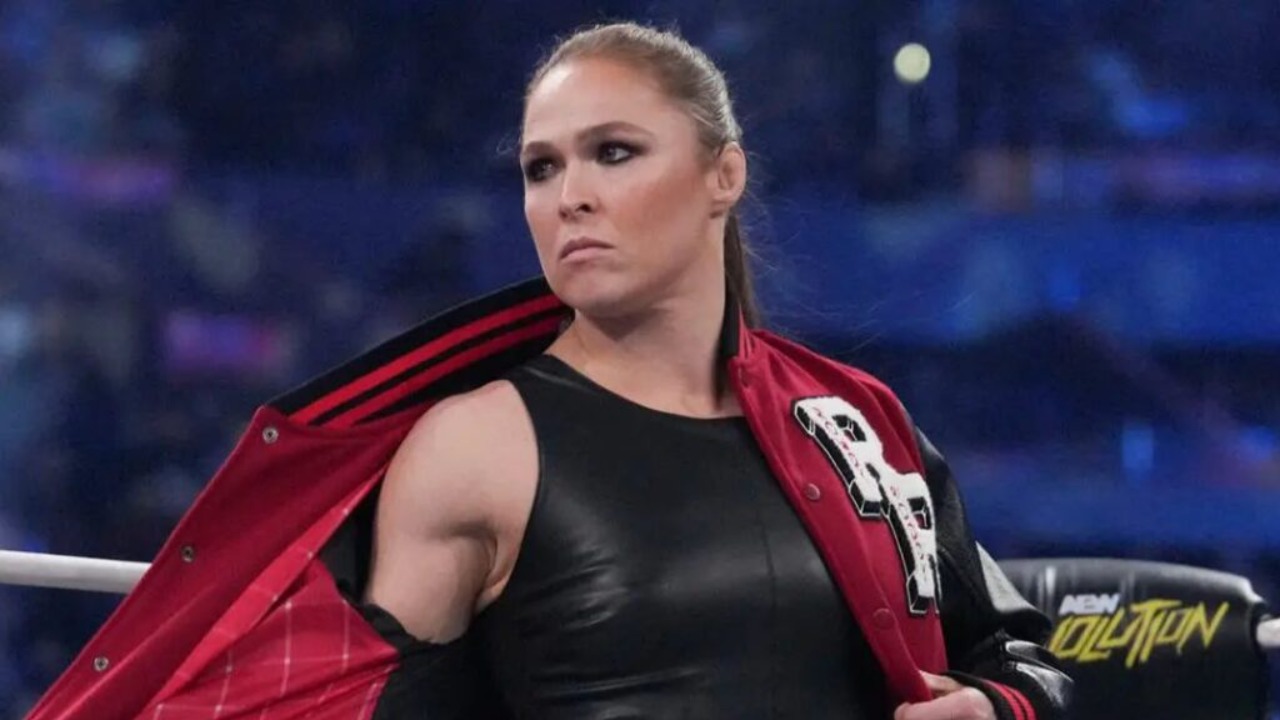
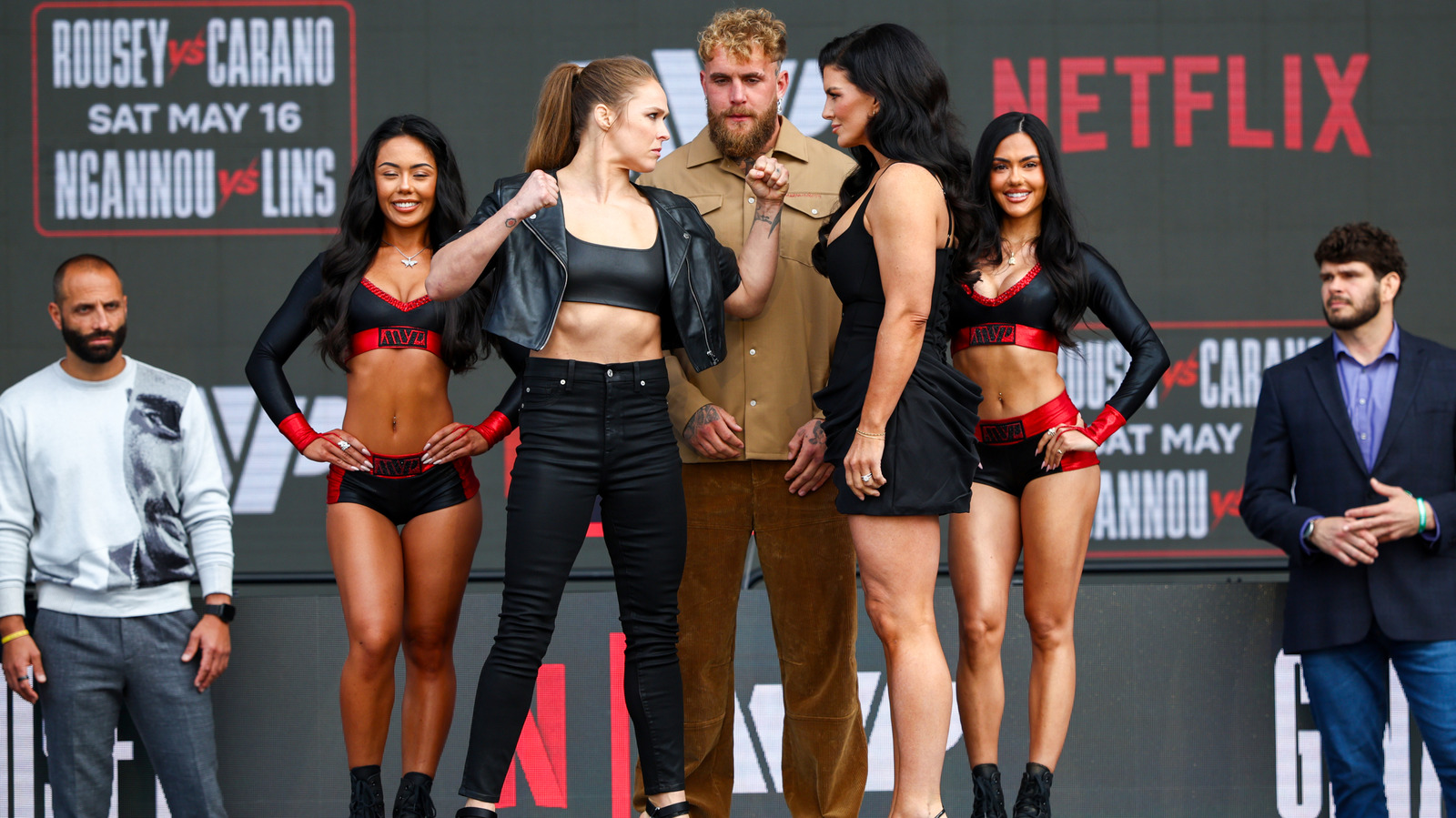
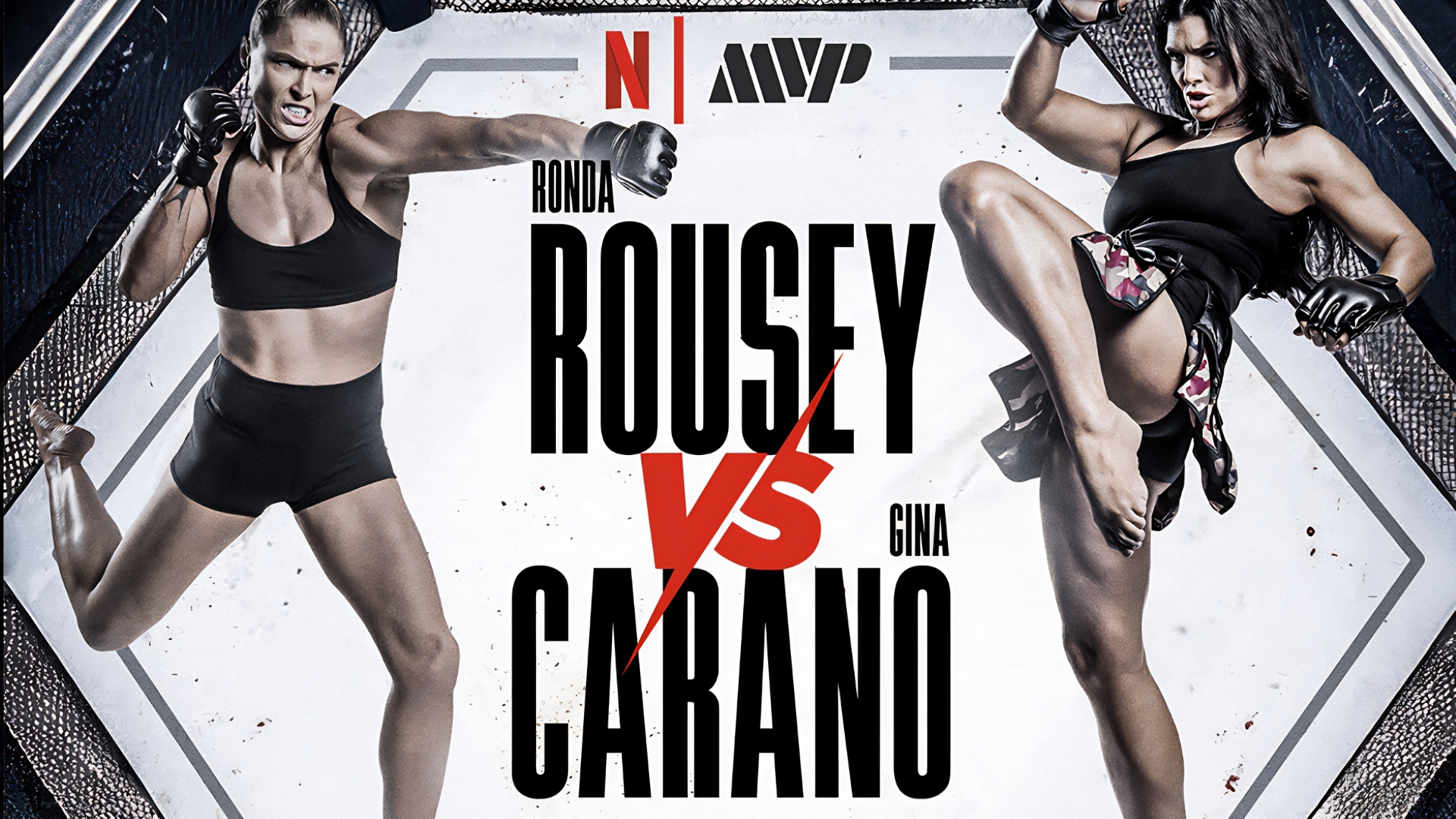
Tonight, MVP MMA is staging a spectacle that feels ripped from a bygone era. Ronda Rousey is stepping back into the cage for the first time since December 2016. Across from her is Gina Carano, a pioneer of the sport who hasn’t absorbed a professional strike in a sanctioned bout since she faced Cris Cyborg in 2009.
From a promotional standpoint, the narrative is built around legacy, closure, and a purse that will be "smashing the record" for women’s MMA. But from a medical and athletic conditioning perspective, this main event is a massive red flag. MVP MMA is taking an unbelievable regulatory risk.
The most alarming aspect of tonight's bout isn't just the unprecedented ring rust. It is Rousey’s explicit, documented promise heading into the fight. According to recent reports, the former UFC champion stated she "won't hesitate" to break Carano’s arm if the opportunity presents itself.
"Ronda Rousey 'won't hesitate' to break Gina Carano's arm in MMA superfight."
In the hyperbole-driven world of combat sports promotion, it is easy to dismiss this as standard trash talk. Rousey admits she refined her promotional skills under the tutelage of Paul Heyman during her WWE tenure, explicitly crediting him for changing how she sells fights. You shouldn't dismiss the threat.
Rousey has the technical pedigree to execute joint destruction. She is facing an opponent whose body has not been conditioned for high-level submission defense in over a decade and a half. The threat is not just promotional rhetoric. It is a highly probable medical outcome.
The Mechanics of Joint Destruction
When we talk about a broken arm in the context of an MMA armbar, we are rarely talking about a simple bone fracture. The traditional juji-gatame focuses on catastrophic structural failure of the elbow joint. If Rousey secures the position and fully extends her hips while isolating Carano’s wrist, the fulcrum point becomes the elbow.
The human elbow is a hinge joint, designed to stop at roughly 180 degrees of extension. When external force pushes the joint past this anatomical limit, the soft tissue is the first to fail. The ulnar collateral ligament (UCL) and the radial collateral ligament take the immediate brunt of the stress.
The structural failure during a fully extended juji-gatame typically follows a brutal, predictable sequence:
- Phase 1: The ulnar collateral ligament (UCL) stretches past its yield point and tears completely.
- Phase 2: The joint capsule ruptures under the sustained torque.
- Phase 3: The olecranon process is violently forced into the humerus, causing potential bone fractures or a complete elbow dislocation.
We have historical precedent for what happens when Rousey applies this technique against elite, active competition. Look back at her UFC run. When she caught Miesha Tate at UFC 168, the torque applied was enough to visibly hyperextend Tate’s elbow before the tap finally registered.
Tate was in the prime of her career, actively training daily, and possessing world-class grappling defense. Even with those advantages, the structural integrity of her arm was severely compromised in seconds. Carano does not have Tate's defensive grappling pedigree, nor does she have the benefit of active, daily training.
The physics of the hold remain the same, but the resistance offered by the defending joint will be significantly lower. It takes approximately 50 pounds of pressure to break a human arm when the joint is properly isolated as a fulcrum. Rousey, an Olympic medalist in Judo, can generate significantly more torque than that simply by thrusting her hips upward while pulling the wrist down.
For a professional athlete in their physical prime, recovering from an elbow dislocation and a Grade 3 UCL tear requires surgical intervention and a minimum of six to nine months of grueling physical therapy. For a 44-year-old woman who has spent the last fifteen years working on Hollywood sets rather than grappling mats, the recovery timeline is much less predictable. Joint elasticity decreases with age, and cartilage thins out considerably.
The Reality of Ring Rust
The critical failure in sanctioning this bout lies in the physiological reality of the athletes. MVP MMA is heavily relying on nostalgia to sell pay-per-views. What they are glossing over is the fact that human bodies do not retain peak combative conditioning in stasis.
Rousey has at least remained somewhat active in the physical realm. Her stint in WWE, which concluded with what she bitterly described as a "middle finger to fans," required rigorous cardiovascular output and bump-taking. Rousey recently noted that professional wrestling is the "purest form of fight choreography."
Taking flat back bumps and running the ropes maintains a baseline of spatial awareness and core strength. The Miz recently commented on the reality series WWE: Unreal, noting that veterans hate the show because it exposes how physically taxing professional wrestling actually is. Rousey's body is battered, but it is accustomed to impact.
Carano does not have that luxury. Her transition to acting removed her from the daily grind of sparring, wrestling, and submission defense. The central nervous system adaptations that allow a fighter to instinctively recognize a submission setup fade over time.
The micro-second reaction required to clear an elbow line or stack an opponent attempting an armbar is not something you can drill back into existence during an eight-week training camp. Carano is stepping into the cage against a judo specialist whose entire offensive philosophy is built on isolating a limb. If they tie up in the clinch, Rousey’s muscle memory will take over.
Carano’s defensive reflexes will be operating on a heavy delay. That fraction of a second is the difference between a successful defense and a catastrophic injury. The financial aspect of this fight dramatically increases that medical risk.
The Pressure of the Purse
Both women are acutely aware of the historical and monetary stakes. Rousey has spent the build-up claiming credit for women headlining WWE and combat sports events. She views this match as the ultimate validation of her legacy, while Carano is returning for what is undoubtedly a life-changing sum of money.
When the purse is smashing records, fighters do not tap to pressure. They tap to pain or mechanical failure. We have seen this historically in MMA when massive stakes are on the line.
Fighters will attempt to ride out submissions, hoping the opponent’s grip slips or the round ends. In a standard undercard bout, a fighter caught in a deep armbar will tap immediately to live and fight another day. In a main event with millions of dollars on the table, pride and adrenaline mask the initial tearing of ligaments.
By the time the pain registers enough to force a tap, the structural damage is already done. If Rousey catches Carano, Carano is highly unlikely to tap early. That stubbornness, fueled by adrenaline and the magnitude of the moment, is exactly what leads to compound fractures and torn capsules.
A Critical Breakdown in Matchmaking
We have to ask serious questions about the regulatory bodies that approved this matchup. Sanctioning a bout between two fighters with a combined 25 years of ring rust is questionable under the best of circumstances. Doing it when one fighter possesses elite grappling credentials and has explicitly threatened to maim the other is entirely negligent.
There is a stark difference between a competitive mixed martial arts contest and a promotional stunt that sacrifices athlete safety for buyrates. The athletic commission should be scrutinizing this bout intensely. Carano’s physical readiness to defend against world-class judo throws cannot be verified by standard pre-fight medicals.
A clean MRI and a passed EKG do not measure a fighter's ability to defend a juji-gatame. Rousey’s time in WWE taught her how to sell a fight, and she is using her real-life frustrations with WWE’s creative process to fuel her aggressive public persona. She recently detailed a high-profile pitch with Becky Lynch that WWE approved but never delivered.
Rousey is clearly bringing that pent-up frustration into the cage tonight. The narrative works beautifully for selling the pay-per-view, but the physical consequences are entirely real. This isn't choreographed like her last run.
When the cage door locks, the promotional tactics end, and the anatomical reality begins. If Rousey makes good on her promise, MVP MMA will be dealing with the fallout of a severe, televised joint destruction. The question isn't whether Rousey has the ability to break Carano’s arm; it's whether anyone in Carano’s corner will have the sense to throw in the towel before she does.