The economics of the short-form comeback
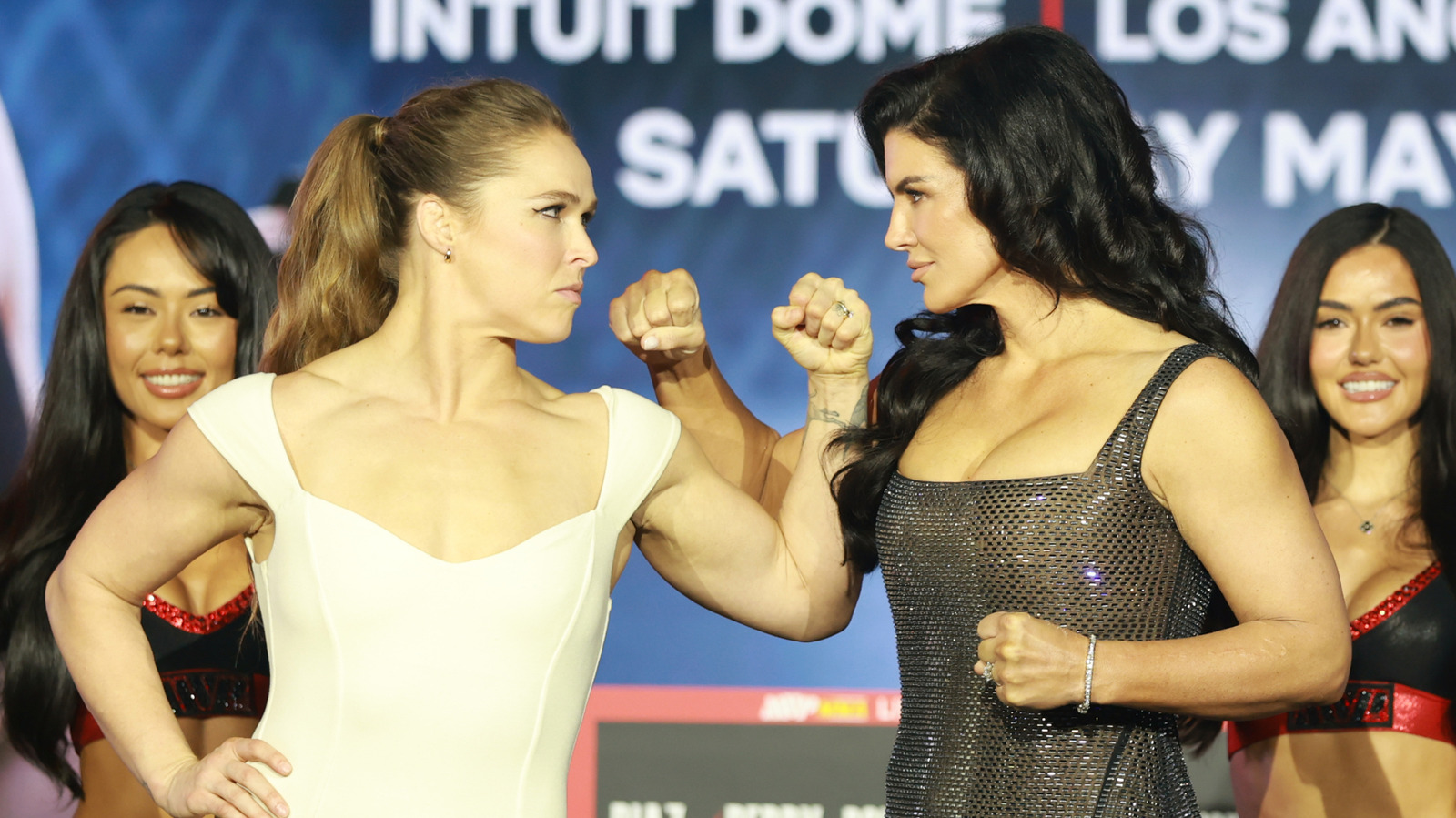
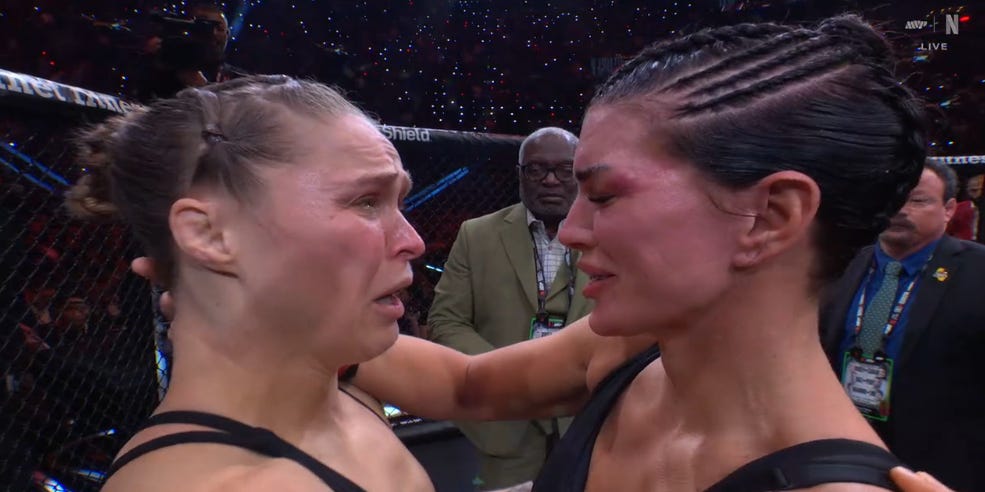
Ronda Rousey returned to the cage this past Saturday at the Intuit Dome, securing a finish over Gina Carano in seconds. With a cumulative hiatus of 27 years between the two competitors, the bout functioned less as a traditional test of martial arts proficiency and more as a high-stakes proof of concept for Netflix’s foray into live combat sports.
We are looking at an event defined by minimal output and maximum commercial penetration. The fight lasted mere moments, leaving analysts to parse the business metrics rather than physical ones. When you detach competition from longevity, you get a 30-second exhibition that effectively functions as a closing scene for two Hall of Fame careers.
Efficiency versus substance
Critics like Jim Cornette have pointed toward the performative nature of the booking, noting that the fight felt curated for maximum impact with zero risk. Mathematically, the investment returns for streaming giants on legacy matchups are outpacing traditional pay-per-view models. By leveraging the combined star power of Rousey and Carano, Netflix prioritized brand visibility in a crowded Saturday night market.
The contrast to Rousey’s professional wrestling career is stark. At WrestleMania 35, Rousey participated in the first women’s main event, a match she later suggested suffered from a lack of preparation time. Saturday’s appearance at the Intuit Dome, while profitable, mirrors that same issue: the spectacle overwhelmed the technical reality of the sport.
The post-fight career trajectory
Following the bout, Rousey explicitly stated she is done with fighting. This admission frames the entire 2026 comeback as a singular financial event rather than a genuine return to competition. The move effectively retires a name that has been a gold standard for draws in both the UFC and WWE.
Without a future competitive roadmap, the value of this performance sits entirely in its immediate viewership numbers and subscriber acquisition data. If we compare this to the modern standards of top-tier MMA, the lack of a grappling exchange or striking rhythm suggests that the audience paid for the memory of the fighters, not their current athletic state.
Market distortion in combat sports
The involvement of MVP Promotions in the event highlight a broader shift: combat sports are being treated as assets for global streaming libraries. Netflix’s debut into this space didn't rely on championship rankings or deep division narratives. It relied on two massive names and the novelty of a one-off performance.
The takeaway is clear: the industry is decoupling from the grind of rankings. As seen on the full main card results, the event was stacked with early finishes, reinforcing a culture of high-velocity, low-engagement duration. This is not the future of fighting; it is the current iteration of streaming content where a $10m-plus payday for a short-duration event represents the new ceiling for legacy icons.
Ultimately, the weekend’s events demonstrate that the primary metric for success in 2026 is immediate reach. Whether the product in the cage holds up to the analytical standards of a traditional MMA match is secondary to the fact that viewers tuned in. Whether this model is sustainable remains a mystery, especially as the number of available legends begins to dwindle.