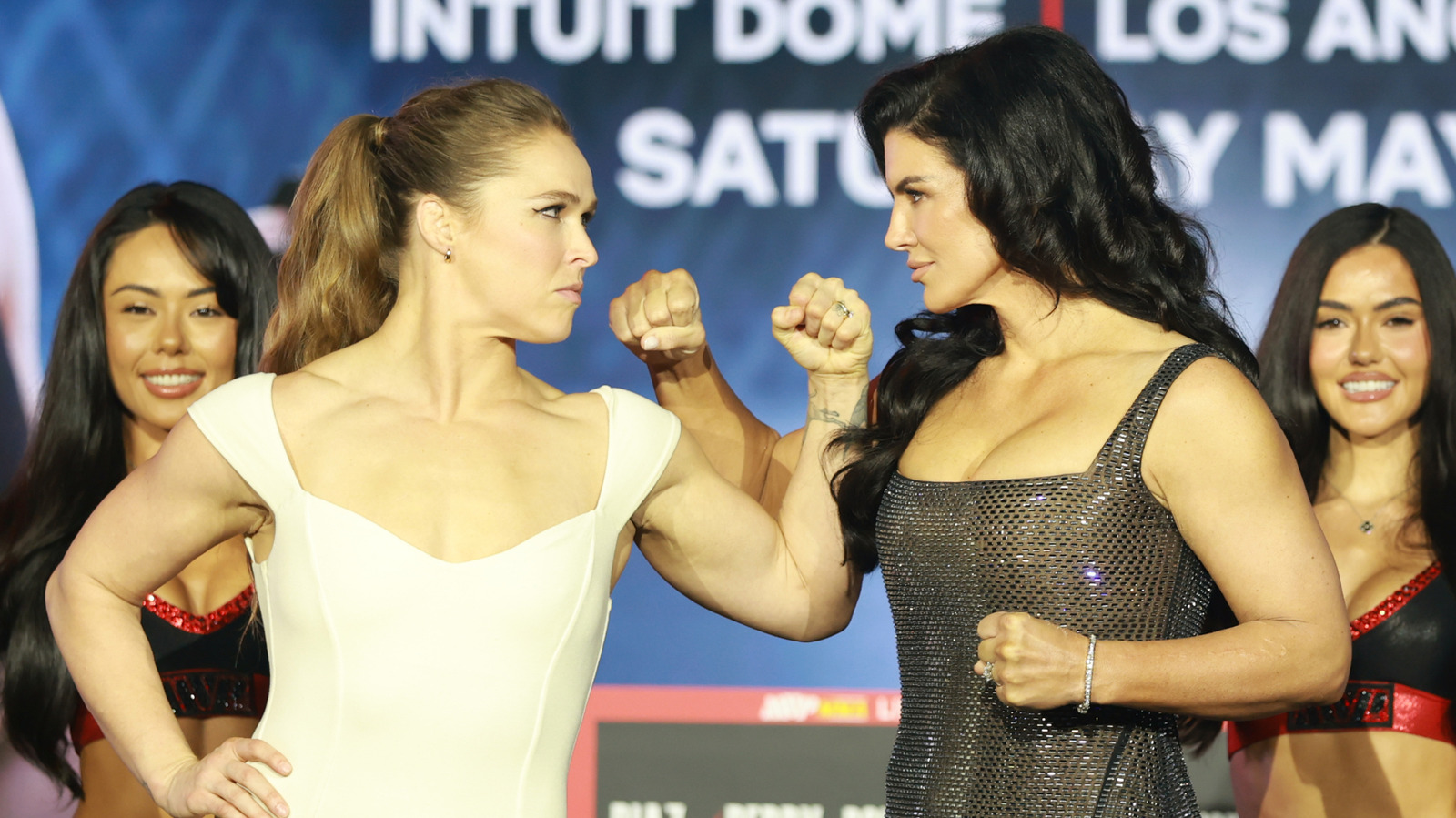
The Final Chapter for the Baddest Woman on the Planet
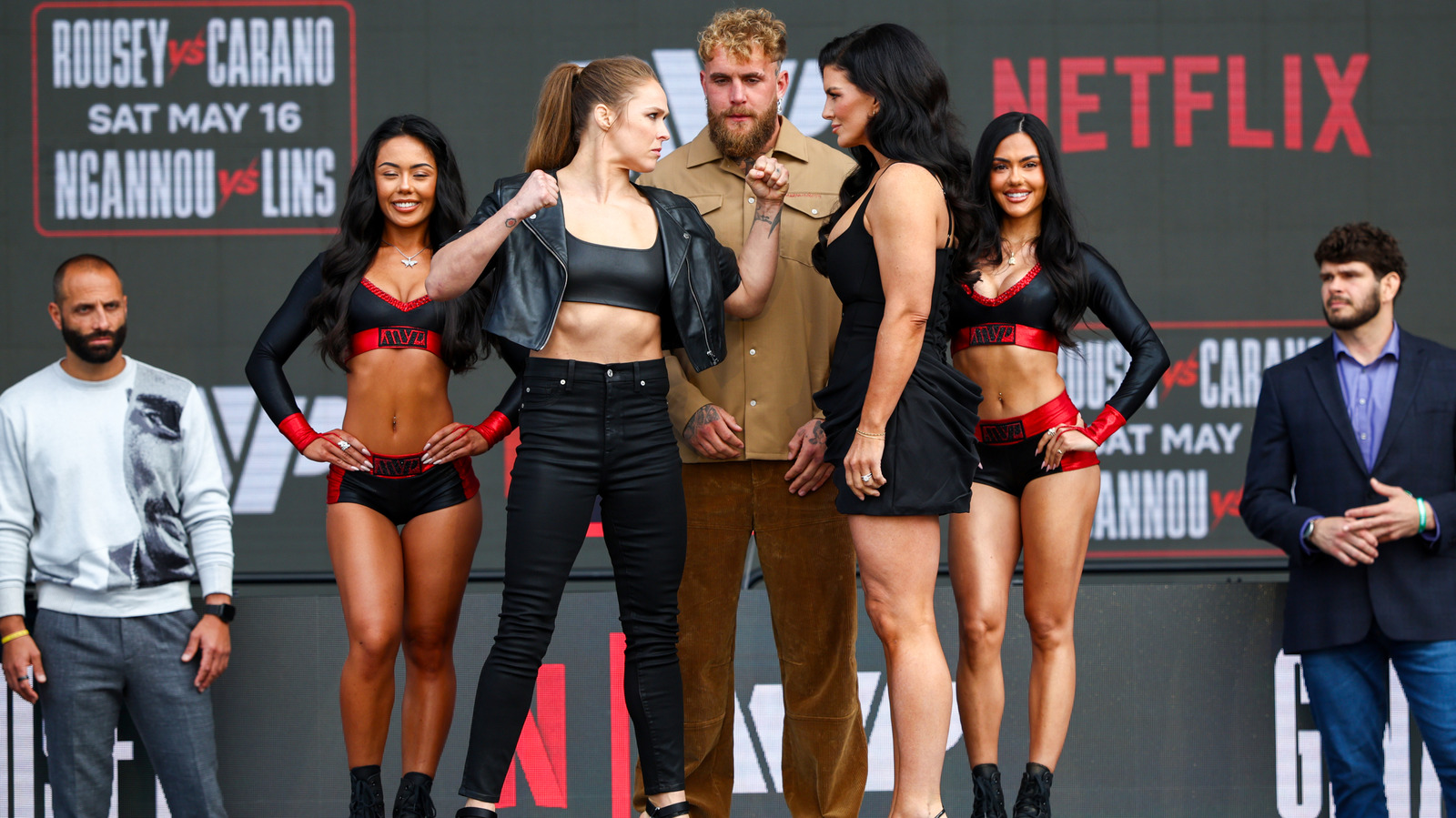
The combat sports world is buzzing with what feels like the definitive end of an era. As Wrestling Inc recently reported, UFC Hall of Famer Ronda Rousey is planning to hang up her gloves for good following her highly anticipated clash with Gina Carano.
This is not just another fight announcement to get lost in the weekend shuffle. It is a massive spectacle set for Netflix, organized under the MVP banner.
For years, a Rousey-Carano matchup was the ultimate fantasy booking. Back in the early 2010s, it was the white whale of women's MMA. Fans debated it endlessly on forums, while promoters drooled over the potential pay-per-view buys.
Now, in 2026, we are finally getting it. The stakes, the context, and the athletes themselves are entirely different.
Title contention is off the table here. Ranking points do not matter. This fight exists purely for legacy.
Rousey herself has reportedly admitted that this event will likely serve as her retirement fight. That decision perfectly bookends a career that fundamentally changed how combat sports operate, shifting the tectonic plates of both MMA and professional wrestling.
Tracing the Roots: Why Carano Matters
To understand the magnitude of this booking, you have to look backward. Long before Rousey was snapping arms in the UFC, Gina Carano was the undisputed face of women's MMA.
Carano brought eyes to the sport when it was still considered a fringe spectacle. Her battles in EliteXC, particularly the 2007 war against Julie Kedzie, proved that women could draw ratings and put on Fight of the Night performances.
She was a mainstream star before the system existed to fully support one. Carano eventually stepped away from the cage after her brutal 2009 loss to Cris Cyborg in Strikeforce.
She transitioned to Hollywood, landing roles in major films and television series. She left a massive void in the sport.
Rousey picked up that dropped torch and carried it to unprecedented heights. She didn't just fill Carano's shoes; she built an empire.
Dana White famously stated that women would never fight in the UFC. Rousey's terrifying judo throws and lightning-fast armbars forced him to eat those words.
Rousey didn't just win fights; she annihilated legitimate contenders in record time. She dispatched Alexis Davis in 16 seconds and submitted Cat Zingano in an absurd 14 seconds. Those numbers weren't just impressive stats; they were cultural moments.
For a long time, the timing never aligned for these two pioneers to meet. Carano was making movies while Rousey was dominating the Octagon, and later, main-eventing WrestleMania in the WWE.
Now, with Netflix aggressively entering the live sports broadcasting arena, the financial backing is finally there to make the impossible happen. MVP knows exactly what they are doing.
The Critical View: Are We Ten Years Too Late?
Let's be brutally honest for a moment. As exciting as those two names look on a marquee, we are not getting the 2013 versions of these fighters.
Carano hasn't competed professionally in nearly two decades. The sport has evolved lightyears beyond the brawling style that defined the late 2000s.
Rousey's aura of invincibility, once the most powerful marketing tool in sports, was violently shattered. When Holly Holm head-kicked Rousey into unconsciousness in Melbourne, it broke the mystique. When Amanda Nunes swarmed her in 48 seconds a year later, it effectively ended her viability as an elite martial artist.
Her subsequent transition to WWE started brilliantly. Her debut at WrestleMania 34 remains one of the greatest rookie performances in wrestling history. But the goodwill didn't last.
Rousey's final WWE stint was undeniably plagued by sloppy mechanics and a noticeable disconnect with the crowd. She often looked like she wanted to be anywhere else but inside a wrestling ring.
Her SummerSlam exit against Shayna Baszler was supposed to be a gritty, MMA-rules sendoff. Instead, it was clunky, poorly paced, and met with dead silence from the Detroit crowd.
Putting two ring-rusted veterans in a main event slot on a massive streaming platform carries significant risk. If the cardio fails early, this could turn into a slow, ugly grappling match.
MVP is banking on the spectacle outweighing the technical quality. They are probably right to assume the casual audience won't care about the striking metrics. Combat purists will undoubtedly scoff at the actual athletic merit of the contest.
The Ruleset Dilemma: Boxing or MMA?
The fascinating unknown right now is the format of the bout. Will this be a traditional MMA fight, a boxing match, or some hybrid grappling exhibition?
If it's a boxing match, it heavily favors Carano, despite her long layoff. Rousey's striking defense was famously exposed during the tail end of her UFC run.
We all remember the sheer panic in Rousey's movement when Holm refused to engage in the clinch. If Carano can keep the fight at range, Rousey could be in for a long night.
However, if this is a standard MMA bout, Rousey's Olympic judo pedigree remains a terrifying problem. Carano never possessed elite takedown defense.
If Rousey secures a body lock, the fight hits the mat immediately. From there, it's a matter of seconds before she isolates an arm.
MVP has favored boxing for their major spectacles, utilizing the Jake Paul blueprint. Forcing Rousey into a boxing ring would be a massive strategic error on her part, but the paycheck might justify the risk.
The Netflix Factor and Modern Distribution
We absolutely cannot ignore the platform. Netflix broadcasting this fight changes the math for everyone involved, and it signals a massive shift in how we consume combat sports.
Netflix is actively reshaping the sports broadcasting map. With WWE Raw moving to their platform and high-profile boxing events already testing the streaming waters, securing a Rousey retirement fight is a massive flex.
This isn't a traditional pay-per-view hidden behind a massive paywall. It is available instantly to hundreds of millions of active subscribers worldwide.
That level of accessibility requires mainstream names that reach beyond the sport itself. You don't put a rising, technically brilliant prospect in this slot. You put pop culture icons.
Rousey and Carano fit that specific bill perfectly. They are recognizable to people who haven't watched a UFC event in ten years.
For Rousey, the guaranteed purse has to be astronomical. It offers her a rare chance to rewrite her combat sports exit on her own terms.
She gets to perform in front of the largest possible global audience, rather than fading out after a disappointing professional wrestling angle.
If she secures a dominant win, she leaves a lasting final image of her hand being raised. That visual goes a long way toward erasing some of the lingering, painful memories of her UFC exit.
Probability Assessment
How likely is this to truly be the final time we see Ronda Rousey compete?
Probability: Extremely High.
Rousey has never hidden her desire to focus on her family and step away from the grueling physical toll of combat sports.
She has nothing left to prove in the Octagon. She broke the glass ceiling, made millions, and secured her spot in the Hall of Fame.
Her relationship with professional wrestling fans has always been strained, making a WWE return highly unlikely, especially under the current regime.
This Netflix deal represents the absolute ceiling for a final payday. There is no bigger fight to make outside of a completely unrealistic MMA return against someone like Amanda Nunes.
A Nunes rematch makes zero sense for anyone involved, least of all Rousey.
Once the bell rings against Carano, expect Rousey to leave her gloves in the center of the ring, permanently.
Expected Impact on the Industry
If this event goes down as planned and draws the expected viewership, it cements Netflix as a legitimate titan in live sports broadcasting.
A successful Rousey retirement spectacle proves that streaming platforms can manufacture massive, culturally relevant events without relying on traditional sports leagues or archaic PPV models.
It also provides a fascinating blueprint for older fighters. Why grind through regional promotions or undercards when you can cash out on a massive streaming special?
For women's MMA, this fight symbolically closes the book on its founding chapter. These two built the house that current champions live in.
Carano opened the door. Rousey kicked it completely off the hinges. Now, they get to take a final bow together, closing a loop that started over fifteen years ago.
It will likely be a chaotic, highly criticized, yet undeniably magnetic event. And honestly? That is exactly how Ronda Rousey's career should end.