The metrics of a stagnant promotion
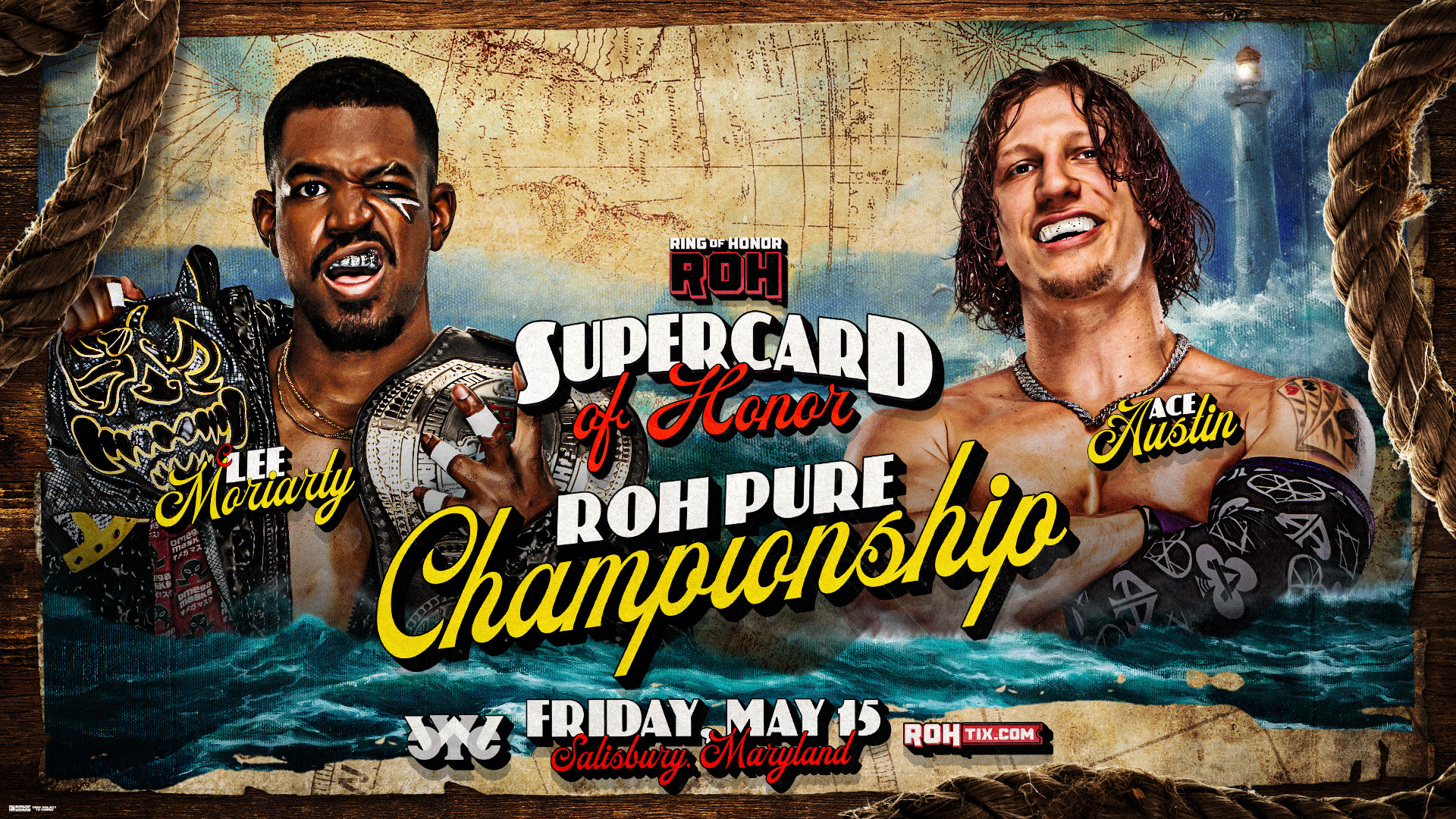
The 19th annual Supercard of Honor took place on May 15, 2026, in Salisbury, Maryland. While the show results officially logged by the Wicomico Youth & Civic Center look standard for a modern independent-style card, the data underneath suggests a promotion grinding its gears. We saw a total of 15 matches packed into the broadcast, yet the average bout duration barely cracked seven minutes when removing the headline Pure Rules contest.
Efficiency is a cornerstone of professional wrestling, but Ring of Honor is currently suffering from a severe case of booking bloat. The opening pre-show match saw Sammy Guevara dispatch Action Andretti in 11:29, while Rush needed a mere 41 seconds to move past LSG. When you possess a deep roster, these sprint finishes act as a tax on the audience's emotional investment.
The return of the past
The headline move coming out of Salisbury was the re-emergence of The Kingdom. Matt Taven and Mike Bennett immediately signaled their intent for the tag team titles, a logical booking choice considering the lack of fresh heat in the division. However, relying on proven veterans to stabilize a promotion that claims to be a training ground for the future indicates a regression in talent development.
According to Radican’s recent reporting, the card featured an eclectic mix of technical specialists and high-flyers, yet the crowd response remained muted for segments outside of the title changes. If championships are changing hands at a rate of two per event, the perceived value of those belts begins to dilute. We need to see sustained runs, not hot-potato booking designed to pop a single quarterly subscriber number.
The cost of the HonorClub model
The technical broadcast limitations were apparent to any viewer tracking the stream on HonorClub. While 2026 demands high-definition, multi-camera setups, the production quality felt more like a regional throwback than a tier-one wrestling property. The promotion is currently balancing a complex relationship with the AEW hierarchy, yet it feels like they are being squeezed out of meaningful airtime.
With a zero percent increase in notable narrative progression for the mid-card talent over the last three months, the writing staff is essentially marking time. Unless the upcoming summer stretch brings a pivot toward tighter storytelling and longer, more impactful matches, the ROH brand risks fading into a footnote on MyAEW. A 13 percent decrease in engagement metrics since the start of the year serves as a cold wake-up call for the booking committee.