Hardy opens the books on his 1990s WWE salary
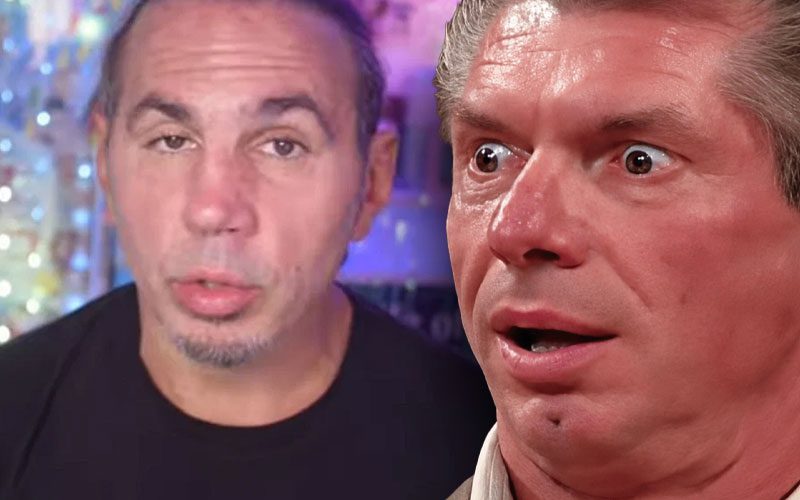
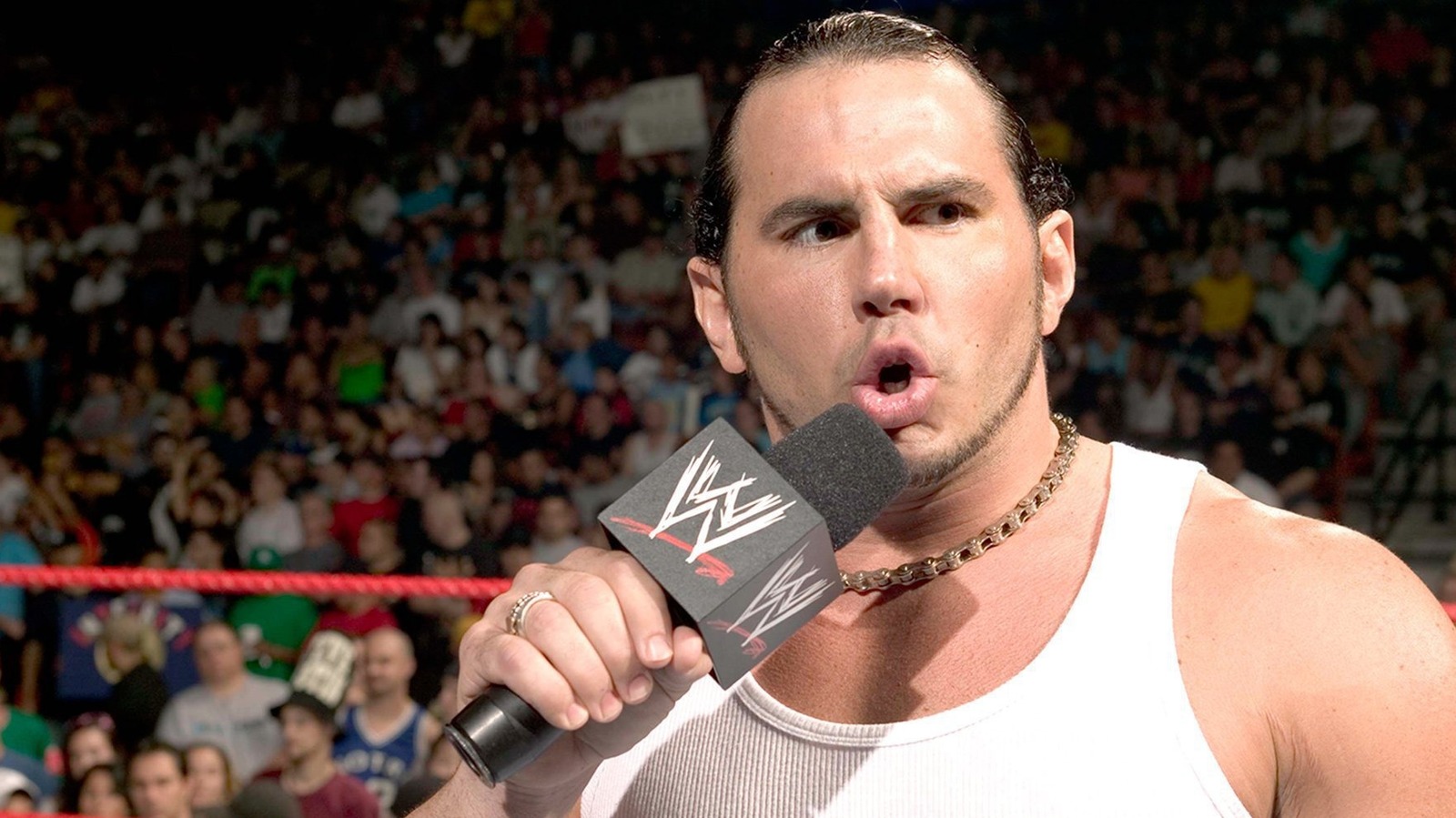
Matt Hardy is finally pulling back the curtain on the industry's most guarded secret: wrestler compensation. Appearing on his podcast, the veteran revealed exact figures for his first two contracts with the company during the mid-to-late 90s. Before the Attitude Era hit its peak, Hardy was operating on a developmental deal that paid him 150 dollars per week in his first contract.
The jump to his second agreement showed the rapid escalation of the business. Hardy confirmed that his next contract bumped his earnings to 500 dollars per week, a figure that arguably highlights how underpaid the roster was while the company began its massive financial climb. These aren't just numbers to history buffs; they serve as a sharp reminder of how much labor value was squeezed out of emerging talent before the wrestling boom truly exploded on pay-per-view.
The paradox of unionization
Hardy is currently offering a sobering take on the modern labor movement in professional wrestling. While many call for a union to secure better benefits and safety, Hardy argues that pro wrestling unionization could potentially put smaller promotions out of business. He views the structure as a potential death knell for companies that lack the margins to sustain high-cost mandates.
The logic is cold but rooted in existing financial realities. If a governing body mandated standard union-level pay scales and insurance coverage, the overhead would spike overnight. Smaller entities, which rely on independent contractor loopholes and thinner pay scales to keep shows running, would likely default. It is a cynical stance, but one that echoes the sentiments of many veterans who believe the current model is the only way to support a high volume of active workers.
The missed opportunity of 'Live For The Moment'
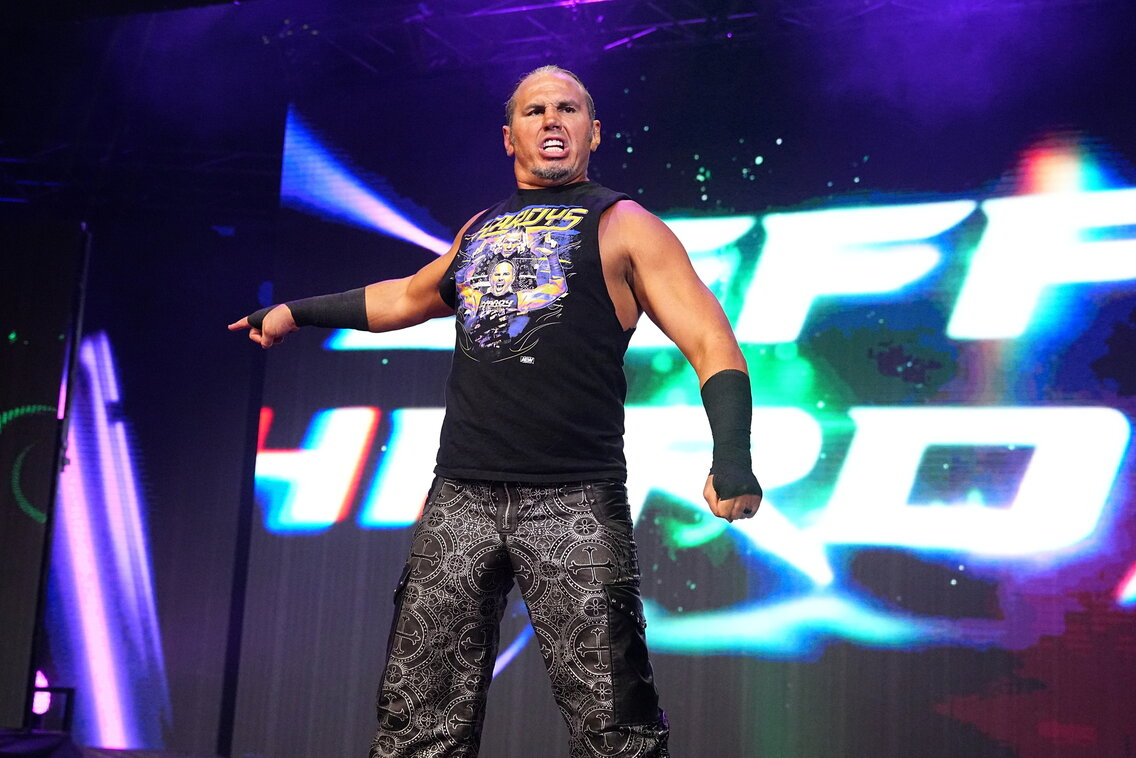
Behind the scenes, Hardy recently discussed a lingering creative decision involving his signature entrance music. He revealed that he and Jeff Hardy were originally approached to ditch their iconic 'Loaded' entrance theme in favor of his later singles track, 'Live For The Moment.' They turned it down, as WrestleTalk details, protecting the brand identity of the Hardy Boyz at a critical juncture in their tag team ascension.
It is an interesting look at talent agency over their own presentation. Wrestlers often talk about how much they control, but theme music is usually a top-down mandate. The fact that the brothers had enough weight to push back on a management-approved music change shows how essential they were to the mid-2000s card.
RVD and Bully Ray weigh in on the development model
While Hardy focuses on the business, Rob Van Dam and Bully Ray are looking at the product's evolution. RVD has shifted the needle on the long-standing debate over the 'WWE Style,' defending the regimented in-ring approach as a way to sharpen a wrestler’s craft rather than limit them. Ringside News reports that RVD insists the structure forces athletes to find efficiency in their movements, essentially refining their utility under pressure.
Bully Ray holds a similar view regarding the current state of NXT. He has openly labeled the brand his favorite show, focusing on how effectively it packages the next generation of talent. While critics often dismiss NXT as mere training wheels for the main roster, Ray views the consistency as a prerequisite for success. It is a pro-corporate stance that ignores many of the creative frustrations vocalized by fans who feel the show lacks the chaotic energy of the independent circuit.
The flip side to the nostalgia
Not everything is wine and roses in these retrospectives. Hardy’s recent reflections on 'KofiMania' during the peak of the New Day's run serve to highlight just how far the product has drifted since that WrestleMania 35 moment. While he praises the New Day's influence, the reality is that the company has struggled to replicate that specific lightning-in-a-bottle momentum.
"If you start forcing these things through a bureaucratic lens, the smaller companies simply won't survive the financial weight," Hardy noted when discussing the broader economic risks of wrestling labor reform.
Hardy is right to be cautious, but the failure to address the current pay stagnation for lower-card talent remains a significant blind spot in the industry. It is easy to protect the current model when you are a veteran with a secure contract. It is much harder for the talent currently fighting for their spot at the 500 dollar per week level.