The talent acquisition loop has hit diminishing returns
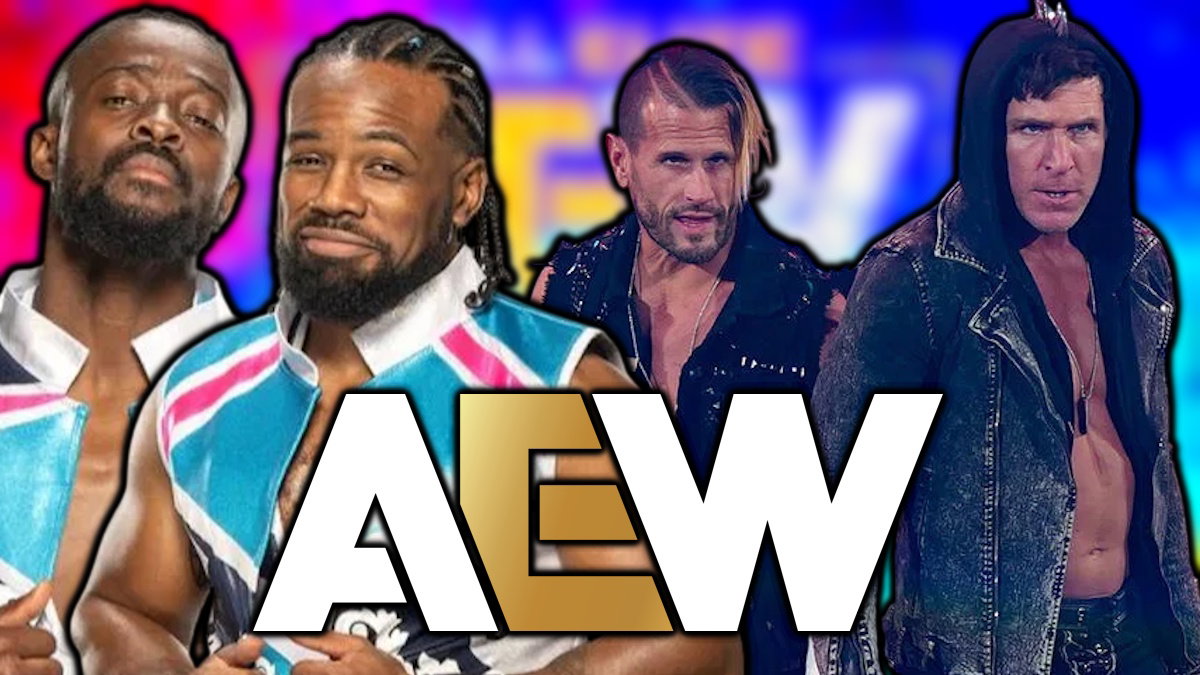
AEW's front office approach to 2026 feels like a replay of their 2021 strategy, but the math has shifted. Bringing in former WWE stars like Tommaso Ciampa and Andrade El Idolo creates an immediate pop in the quarterly ratings, yet the churn remains high. Adding names without adjusting the 2-hour television runtime creates a structural bottleneck for the mid-card.
We saw this same inefficiency play out when Frankie Kazarian decided to cut ties with the promotion. As reported by Wrestling Inc, Kazarian moved back to TNA, recognizing that consistent booking matters more than a high-profile contract. When the roster exceeds 100 individuals, the creative runway for each wrestler effectively shrinks to zero.
TNA is becoming the industry's real development filter
While the majors fight over free agents, TNA is quietly functioning as the most effective rehabilitation clinic in the business. Watching Lexis King operate in NXT, it is obvious that his time in the TNA crossover environment served as a crucible for his current character work. According to King, this stint was the inflection point where he began to find himself as a performer.
The talent drain out of Nashville is accelerating, however. With recent departures like Steve Maclin, Dani Luna, and Myla Grace, the promotion is hemorrhaging the very worker bees keeping their shows watchable. Recent reports indicate this exit door won't stop swinging anytime soon. If TNA cannot retain talent while AEW remains stuck in a bloated cycle, the mid-tier of professional wrestling is facing a talent cliff.
The prediction: A consolidation of the mid-card
My read on this? We are approaching a 12-month period where the mid-carders caught in the middle of these personnel moves stop seeking long-term deals. The 50 percent turnover rate among independent-leaning rosters is unsustainable for chemistry.
The current booking strategy is relying on spectacle rather than narrative endurance. If a promotion cannot build a 15-minute match that carries weight without relying on a debut header, they have failed the fan. Expect the next year to be defined not by who signs the biggest contract, but by which company can convince a 30-something veteran to stay put and actually build a story for 12 consecutive weeks.
The irony is that WWE’s developmental structure is currently more stable than the volatile flux between Jacksonville and Nashville. As much as fans love the surprise debuts, they are currently a symptom of a booking room that uses new shiny objects to hide the fact that the previous objects stopped being interesting in about 4 months. Efficiency is king, and right now, most of the industry is operating deep in the red.