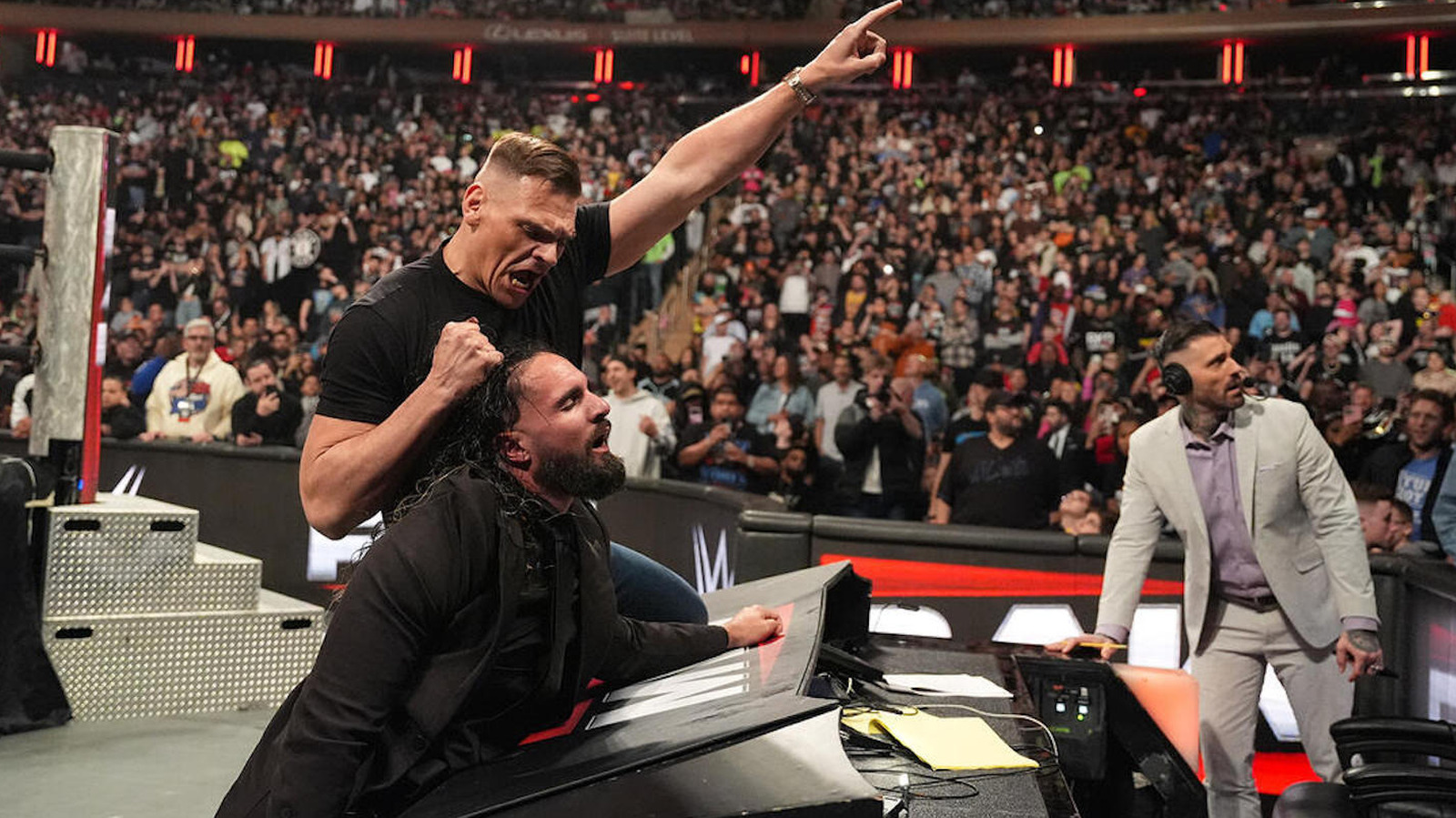
The locker room chemistry experiment
With WrestleMania 41 looming on April 19, the backstage narrative in Stamford feels distinct from the product on screen. We are seeing a shift in how legends interact with contemporary rosters. Natalya recently confirmed that The Bella Twins, upon their reunion earlier this year, explicitly rejected the offer of a private locker room. They preferred to integrate with the main cohort rather than sequester themselves behind a velvet rope.
This is a subtle but vital indicator of the backstage climate. For years, the divide between established icons and the working roster created unnecessary friction. By normalizing the shared environment, the promotion is trying to foster a communal workspace where knowledge transfers from old guard to new prospects naturally.
Contract complexities and the revolving door
The business side of the card remains as volatile as ever. We know that Matt Cardona has been in dialogue with Nick Khan regarding his return logistics. When you consider the sheer volume of talent moving between promotions, the high-stakes negotiations become the true main event.
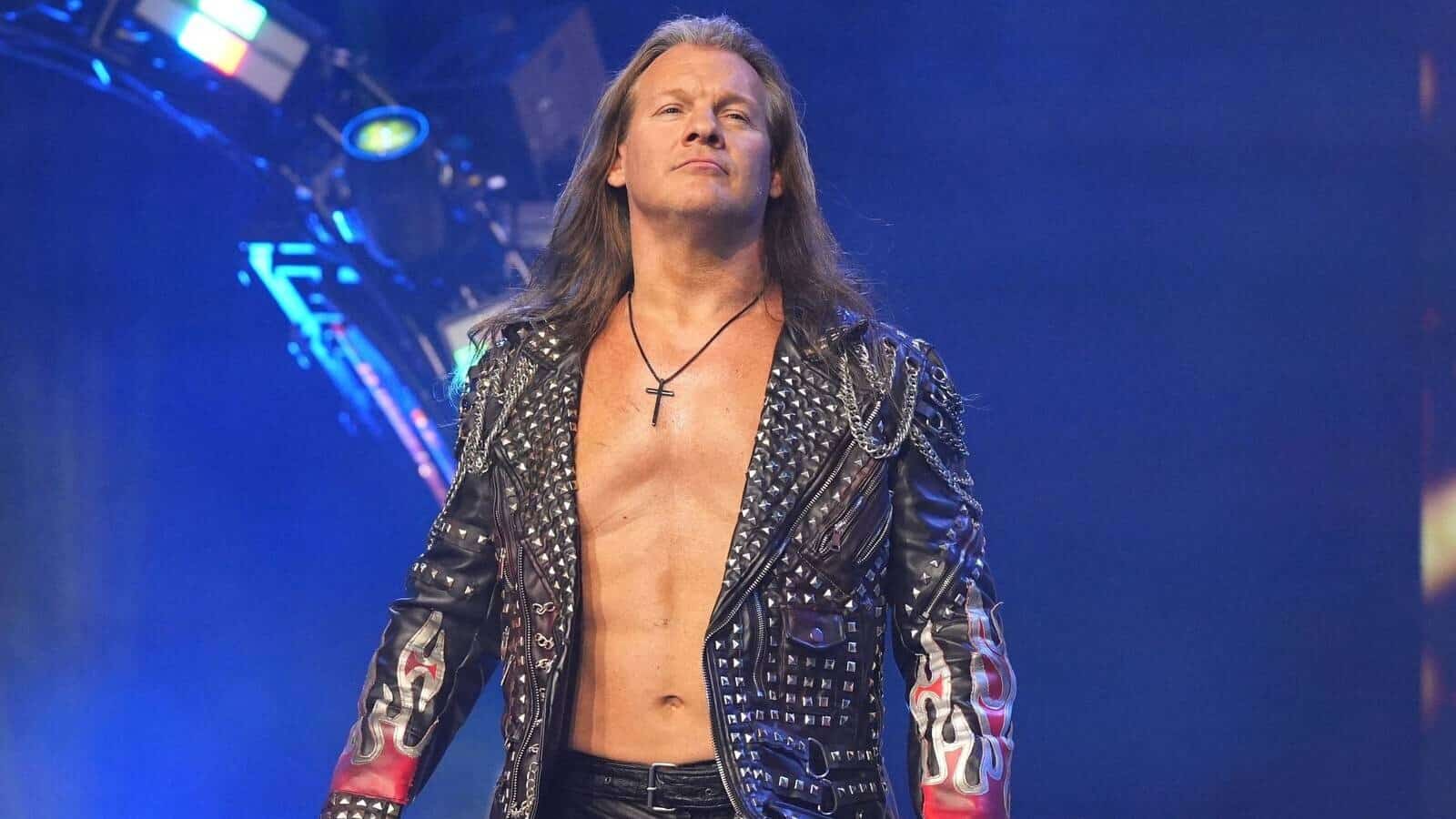
Chris Jericho’s recent path serves as the most glaring example of these shifting gears. Negotiations between Jericho and WWE reportedly stalled, leading him back to AEW. Watching how talent manages these bridges is essential for understanding the current market. If a star of Jericho’s stature cannot secure a deal, it suggests that WWE’s financial priorities are laser-focused on specific acquisition targets rather than broad roster expansion.
Predicting the Mania fallout
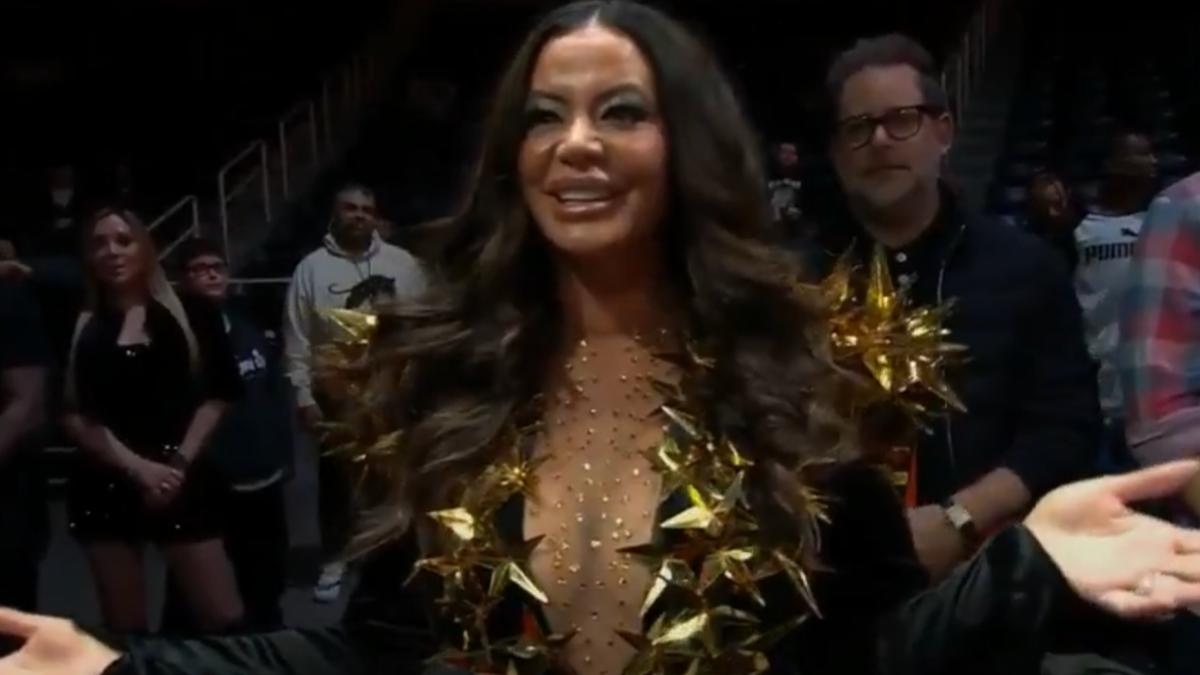
Candice Michelle has publicly stated her mixed emotions regarding a potential in-ring return after her TNA appearance. While the nostalgia factor is high, the reality of working a Mania-level schedule is punishing. I suspect we see more cameos, but the company must be careful not to dilute the current push of the NXT-to-main-roster pipeline.
The biggest flaw right now? The reliance on returning nostalgia acts to drive ticket sales before the card is fully fleshed out. Relying on Brie Bella’s return or potential one-offs hides the fact that the mid-card needs stronger creative direction to sustain interest through the summer. If the company fails to elevate fresh names alongside these returning stars, the momentum will evaporate by the time we reach backlash in May.
My prediction for WrestleMania 41 is that it will be remembered for its spectacle but criticized for its lack of long-term narrative payoff. They will lean heavily on the spectacle of the set and veteran cameos, leaving the primary championships in a holding pattern. Expect a 7.5/10 event that prioritizes viral moments over logical episodic progression. They are betting that the spectacle carries the weight of the booking, a gamble that has worked in the past but feels increasingly hollow in 2026.
Read Next
- Why WWE’s reliance on nostalgia is a dangerous game as WrestleMania 41 nears
- Ricky Saints breaks silence on his cold AEW departure
- WrestleMania 41 is stalling as the internet loses its collective mind
- Top 10: Defining Moments of the 2025-26 Professional Wrestling Season
- 🏆 WrestleMania 41 — Full Coverage Hub